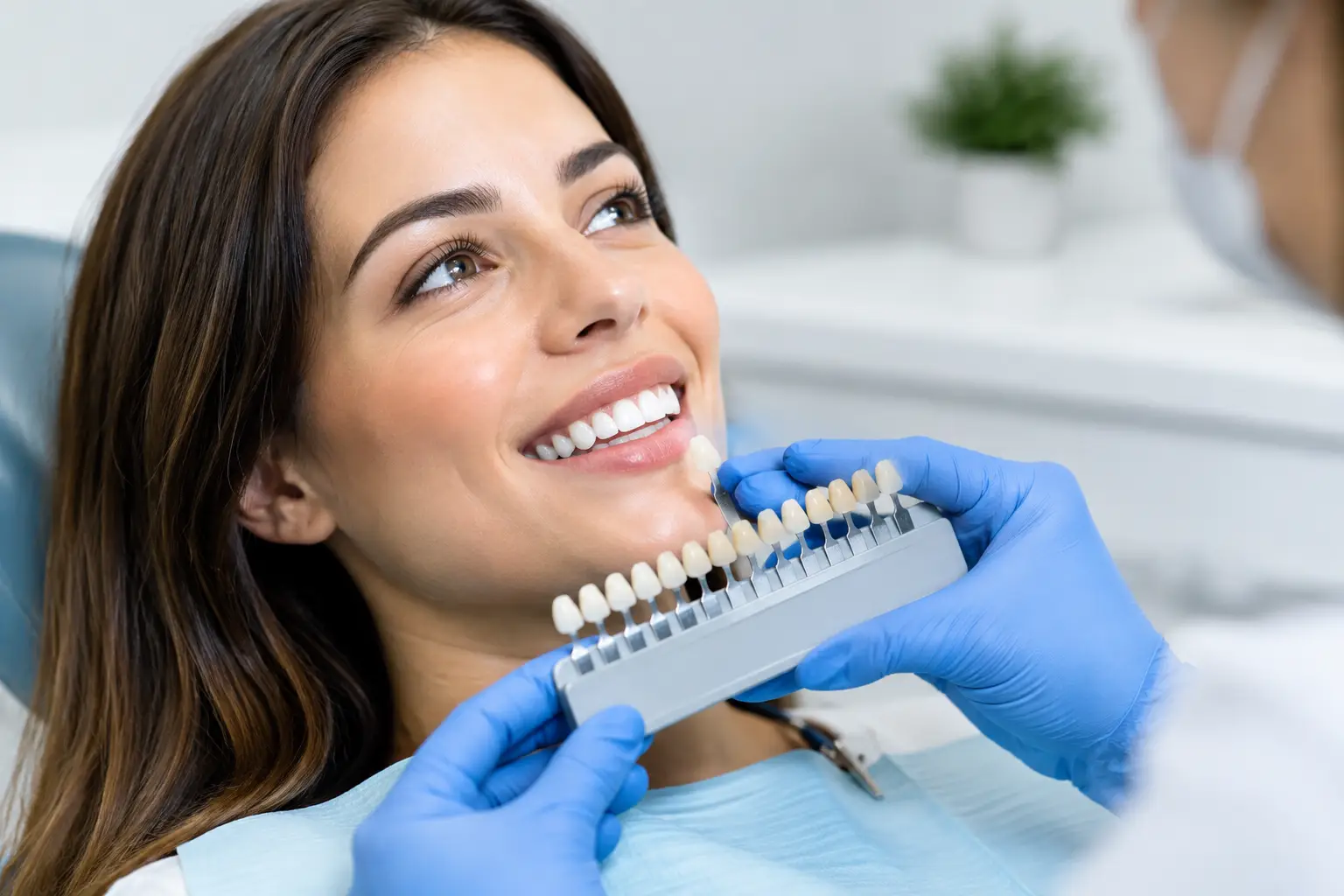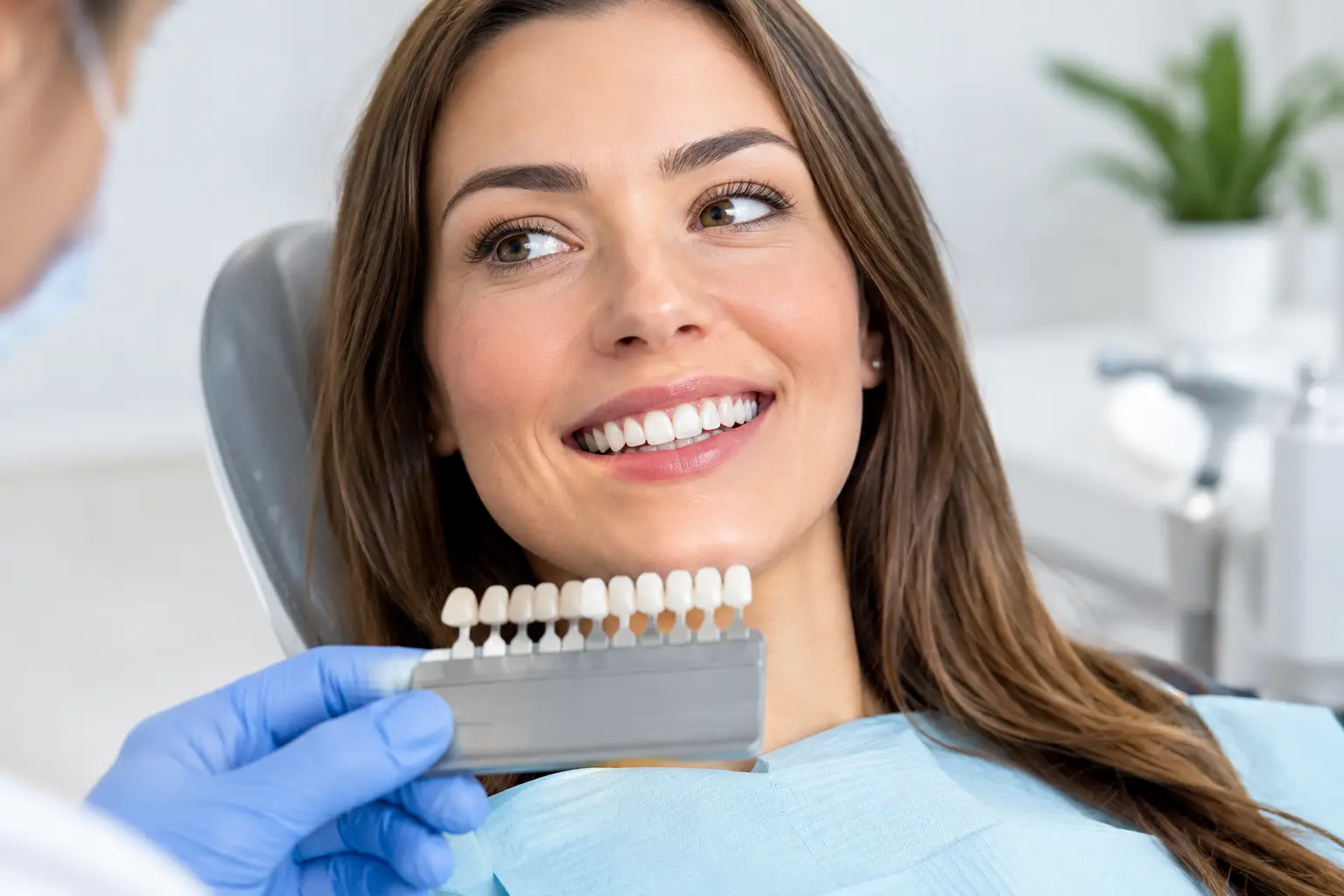

A smile makeover dentist looks beyond one tooth or one treatment. The aim is to understand what you would like to change, assess the health and function of your teeth and gums, and create a considered plan that looks natural for you. For some patients, that may mean a small improvement such as whitening or repairing a chipped edge. For others, it may involve replacing a missing tooth, improving several worn teeth or combining treatments over time.
The best results rarely come from choosing a treatment in isolation. A brighter smile can be effective, for example, but may draw attention to uneven edges or old fillings. Equally, veneers may improve shape and colour, yet are not necessarily the right first step if gum health or tooth stability needs attention. A thorough consultation helps place each decision in the right order.
What does a smile makeover involve?
A smile makeover is not one fixed procedure. It is a personalised approach to improving the appearance of a smile while protecting, and where necessary restoring, oral health and everyday function. The plan may address tooth colour, shape, size, spacing, alignment, visible fillings, gum appearance or gaps caused by missing teeth.
Your dentist will begin by listening to what concerns you. Some people feel their teeth look dull in photographs; others have become self-conscious about a gap, uneven front teeth or teeth that have shortened through wear. It is equally helpful to discuss what you like about your smile. This provides a more realistic starting point than trying to copy a generic result.
A clinical examination is essential. Teeth and gums need to be healthy enough for cosmetic work to last well. Your bite is also considered, particularly where teeth are worn, chipped repeatedly or being restored with bonding, veneers or crowns. Photographs, X-rays and digital scans may be used where appropriate to assess the current position and plan treatment accurately.
Treatments a smile makeover dentist may recommend
The right combination depends on your priorities, dental health, budget and the level of change you want. Conservative options are often preferable where they can achieve the desired result, but more comprehensive restorative treatment may be the sensible choice when teeth are missing or significantly damaged.
Professional teeth whitening
Professional whitening can lift the shade of natural teeth and is often a good starting point for patients concerned mainly about colour. It can make a noticeable difference without changing the tooth structure. Results vary according to the original shade, the type of staining and your habits, such as drinking tea, coffee or red wine.
Whitening does not change the colour of crowns, veneers, composite bonding or fillings. If these are visible at the front of the mouth, the dentist may recommend whitening first and then replacing selected restorations to match the new tooth shade. This avoids creating a mismatch.
Composite bonding
Composite bonding uses a tooth-coloured material to refine edges, close small gaps, repair chips or improve the proportions of a tooth. It can be a conservative option because little or no healthy tooth enamel may need to be removed. It is particularly useful when the aim is subtle improvement rather than a complete transformation.
However, composite is not maintenance-free. It may pick up surface staining, lose its polish or chip over time, especially if you bite your nails, chew pens or grind your teeth. Regular hygiene care, careful polishing and, in some cases, a night guard can help preserve the result.
Porcelain veneers
Porcelain veneers are fine, custom-made shells that are bonded to the front surface of teeth. They can improve colour, shape and symmetry where whitening or bonding alone would not provide a predictable enough result. Porcelain usually retains its gloss and resists staining very well, which can make it attractive for patients seeking a longer-lasting cosmetic change.
Veneers require careful planning. Some teeth need a small amount of enamel preparation to create space for a natural-looking result, although the amount varies. They are not a shortcut for untreated decay, gum disease or an unstable bite. A good plan should explain both the expected benefits and the long-term commitment before treatment begins.
Dental implants for missing teeth
A missing tooth affects more than the appearance of a smile. It can make chewing less comfortable, allow neighbouring teeth to move and leave a gap that becomes increasingly noticeable over time. A dental implant replaces the tooth root with a small titanium post that supports a custom crown, helping restore both appearance and function.
Implants can form an important part of a smile makeover where one or more teeth are missing. They are planned around the health of the gums, bone levels, bite and the appearance of surrounding teeth. Treatment takes time because the implant must integrate with the jawbone before the final restoration is fitted, but this staged approach supports a stable, natural-looking outcome.
Why treatment planning matters
The order of treatment can affect both the result and the overall investment. If whitening is planned, it is generally completed before selecting the shade for veneers, bonding or crowns. If gum treatment is needed, this should be addressed before cosmetic work. Where a missing tooth is being replaced with an implant, the space, bite and final tooth position need to be planned from the outset.
This is where a consultation-led approach offers real value. Rather than being presented with a single treatment, you can understand the choices available, what each option can achieve and where compromises may exist. A minor edge correction may suit someone who wants a restrained, affordable refresh. Another patient may prefer a more comprehensive plan because several concerns are linked.
At Russell Avenue Dental & Implant Centre, treatment planning brings cosmetic goals together with the clinical details that make a result comfortable, functional and designed to last. You should leave a consultation with a clear understanding of the recommended stages, likely timescales and the care needed after treatment.
Choosing a smile makeover dentist in St Albans
When comparing dentists, look beyond before-and-after photographs. Ask how the health of your teeth and gums will be assessed, whether your bite will be considered and what happens if an existing restoration needs replacement in future. Cosmetic dentistry should feel carefully explained, not rushed or pressured.
It is also reasonable to ask about alternatives. For instance, whitening and small amounts of bonding may be a better fit than veneers for a patient who wants conservative changes. Conversely, teeth with extensive old fillings, cracks or substantial wear may need more than cosmetic polishing to achieve a dependable result. Honest recommendations are based on your mouth, not on a one-size-fits-all treatment trend.
A good dentist will discuss longevity in practical terms. No restoration lasts forever, and every option has a maintenance requirement. Composite bonding may need refinement sooner than porcelain. Whitening needs occasional top-ups. Implant crowns, like natural teeth, still require daily cleaning and routine dental reviews. Understanding this early makes it easier to choose treatment with confidence.
Preparing for your consultation
It can help to think about the changes that matter most to you before your appointment. You may want a brighter shade, less visible gaps, straighter-looking front teeth or a secure replacement for a missing tooth. Bringing photographs can be useful as a reference for the style of smile you prefer, but they should be a conversation starter rather than a fixed template.
Be open about habits that may affect treatment, including teeth grinding, smoking, frequent snacking or acidic drinks. These do not always rule out cosmetic dentistry, but they may influence the materials recommended and the steps needed to protect your investment. If you are nervous about dental treatment, say so. A calm, staged approach can make significant care feel far more manageable.
The most satisfying smile makeovers tend to be the ones that still look like the patient, only healthier, brighter and more balanced. Start with a conversation about what you would like to change, then allow a careful clinical assessment to guide the way forward.