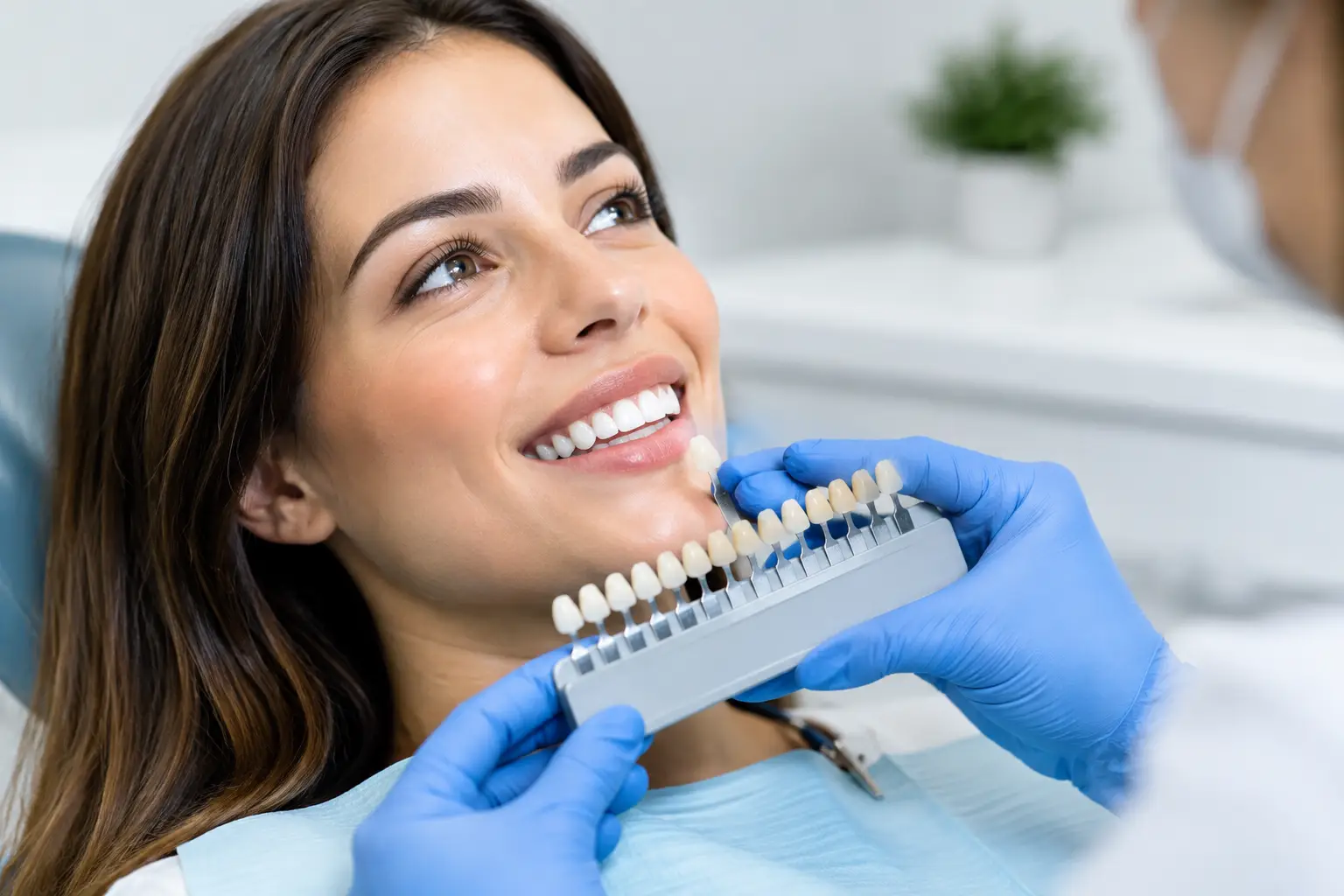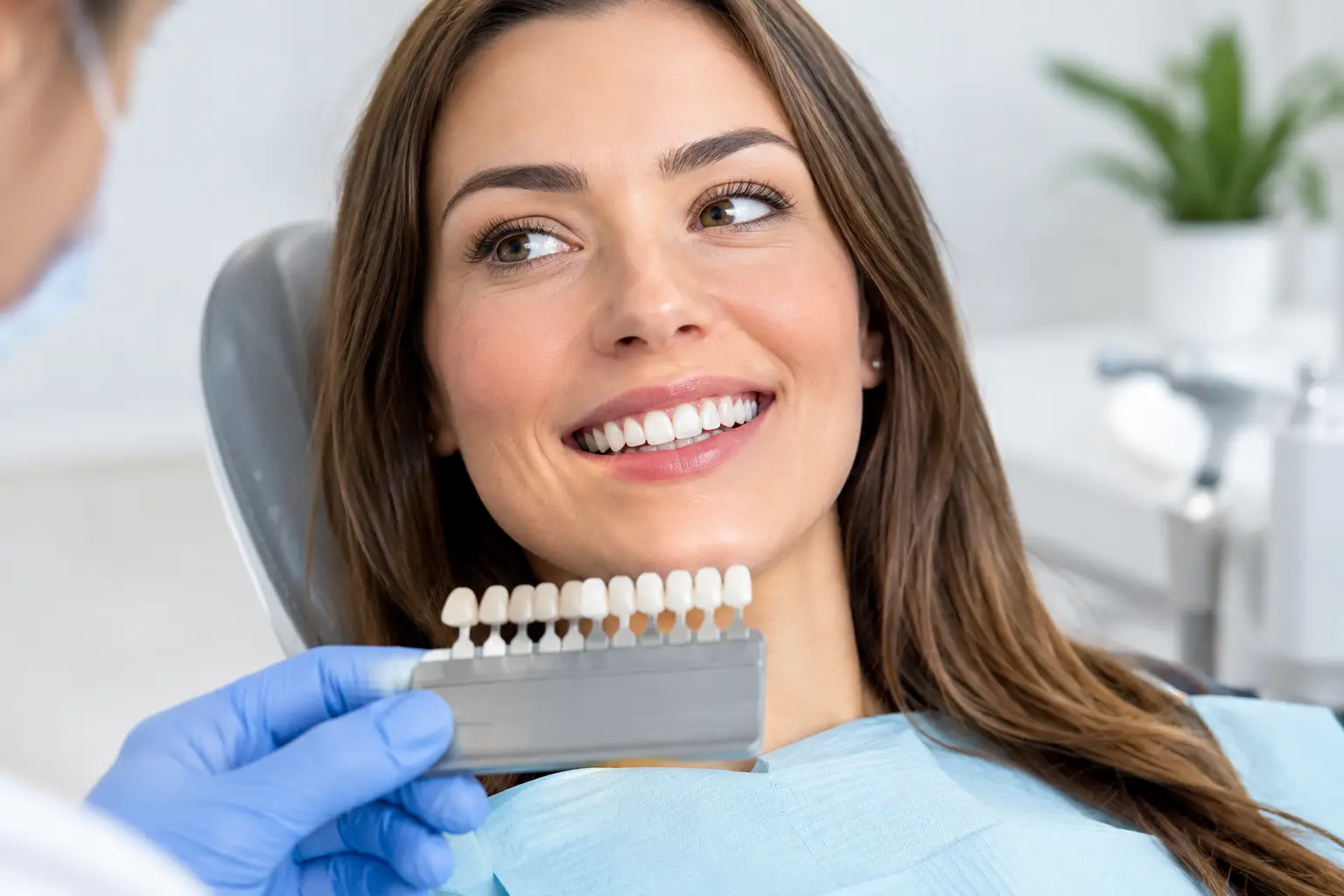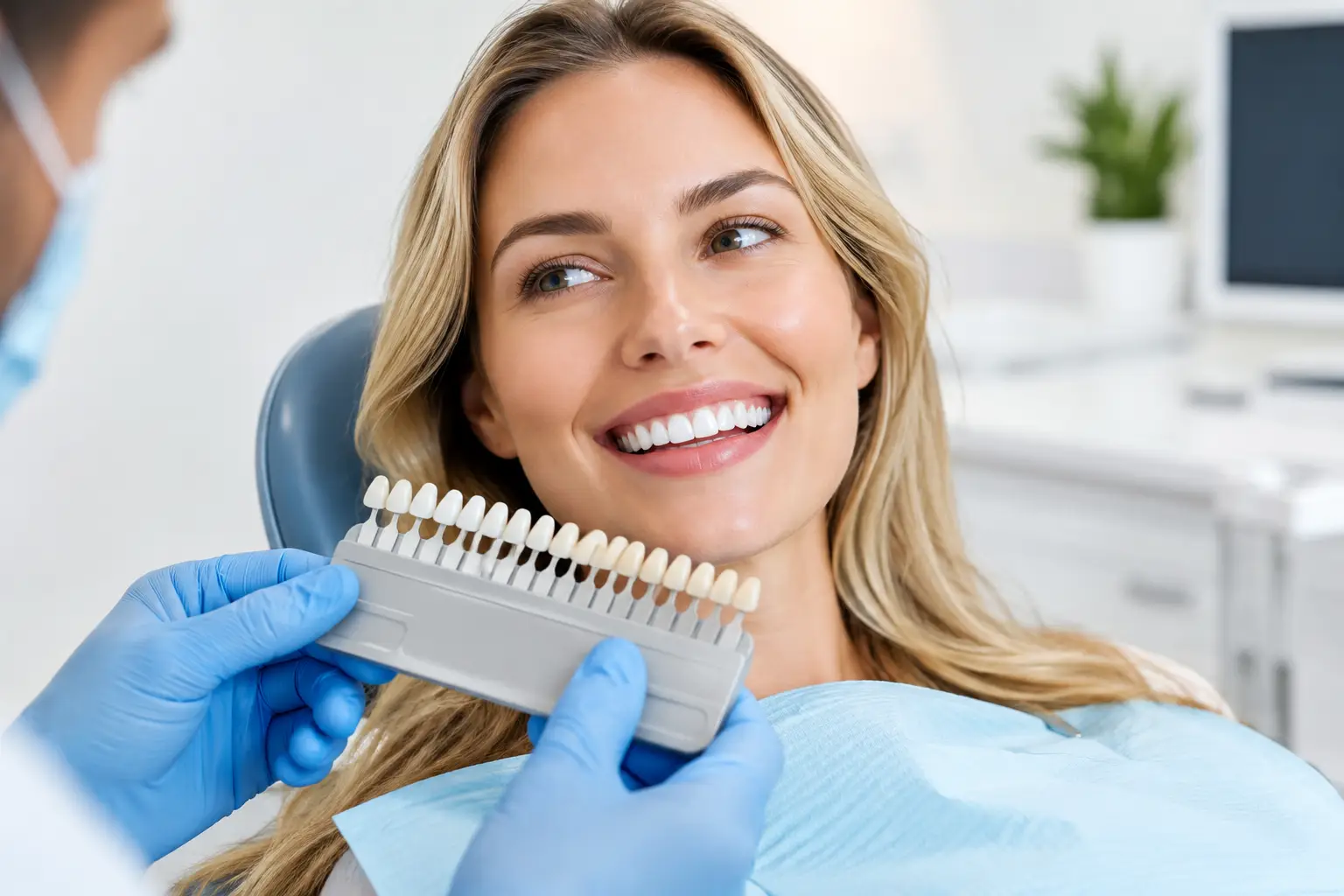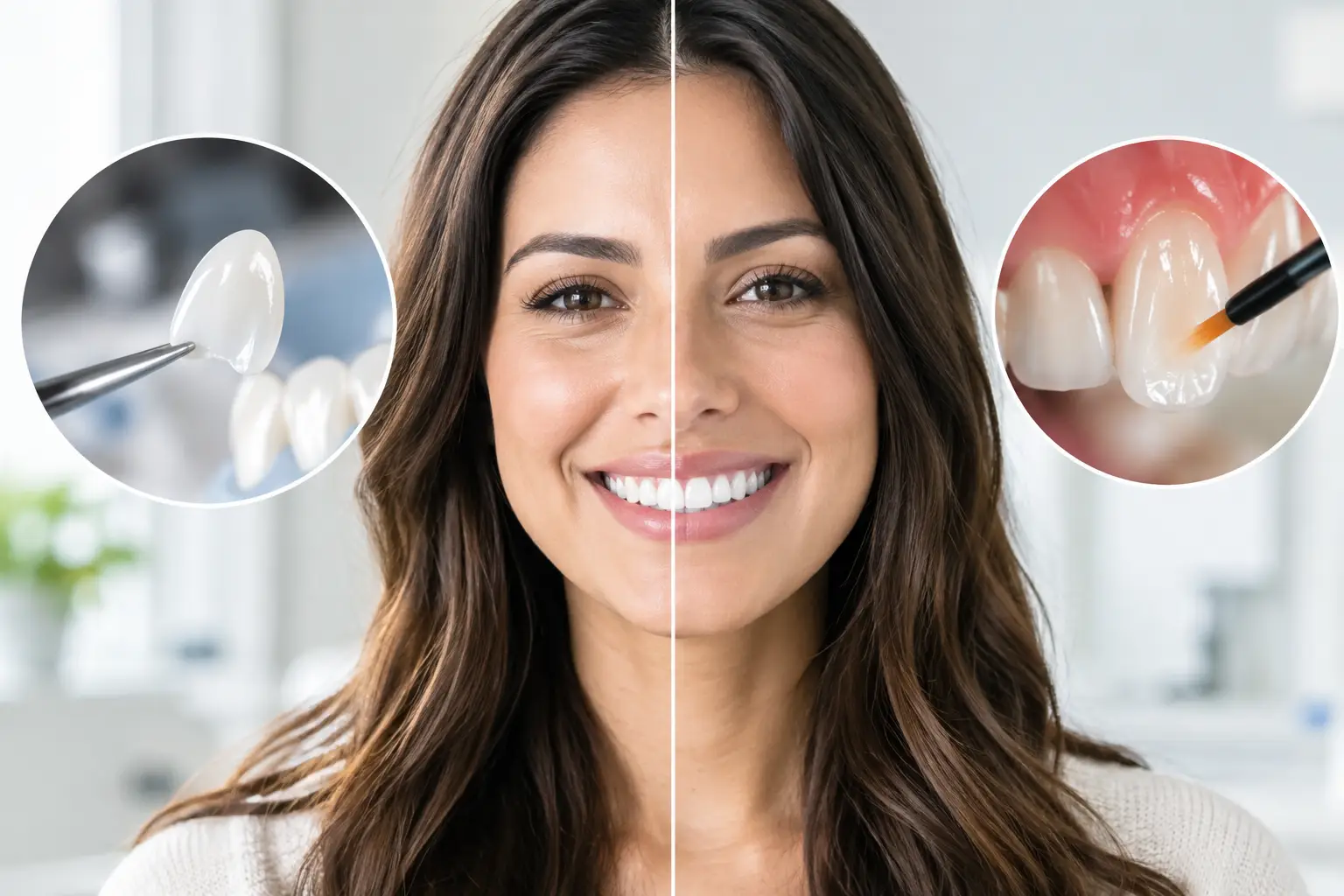
A brighter smile should not mean several days of sharp twinges whenever you drink something cold. Teeth whitening for sensitive teeth is possible, but the right approach is rarely the fastest or strongest option. A dentist-led plan can improve the appearance of your teeth while taking account of the reason they feel sensitive in the first place.
For many people, sensitivity is temporary and manageable. For others, it is a sign that whitening should wait until an underlying concern, such as tooth wear, gum recession or decay, has been addressed. The difference matters: a professional assessment helps protect both your comfort and the long-term health of your smile.
Why teeth can feel sensitive during whitening
Professional whitening products use carefully controlled active ingredients to break down the stains and pigments that have built up within the tooth. This can temporarily make the nerve inside the tooth more responsive, particularly where the enamel is thin or the gums have receded.
You may notice a brief, electric-like sensation during or after treatment. It is often triggered by cold air, cold drinks or brushing. This does not necessarily mean whitening has harmed your teeth, but it is a useful signal that the treatment strength, wear time or frequency may need adjusting.
Existing sensitivity can have several causes. Teeth may have become worn through grinding, acidic foods and drinks, or vigorous brushing. Exposed root surfaces, small cracks, leaking fillings, untreated decay and gum disease can also contribute. Whitening does not resolve these concerns, so it is sensible to identify them before beginning cosmetic treatment.
Teeth whitening for sensitive teeth starts with an examination
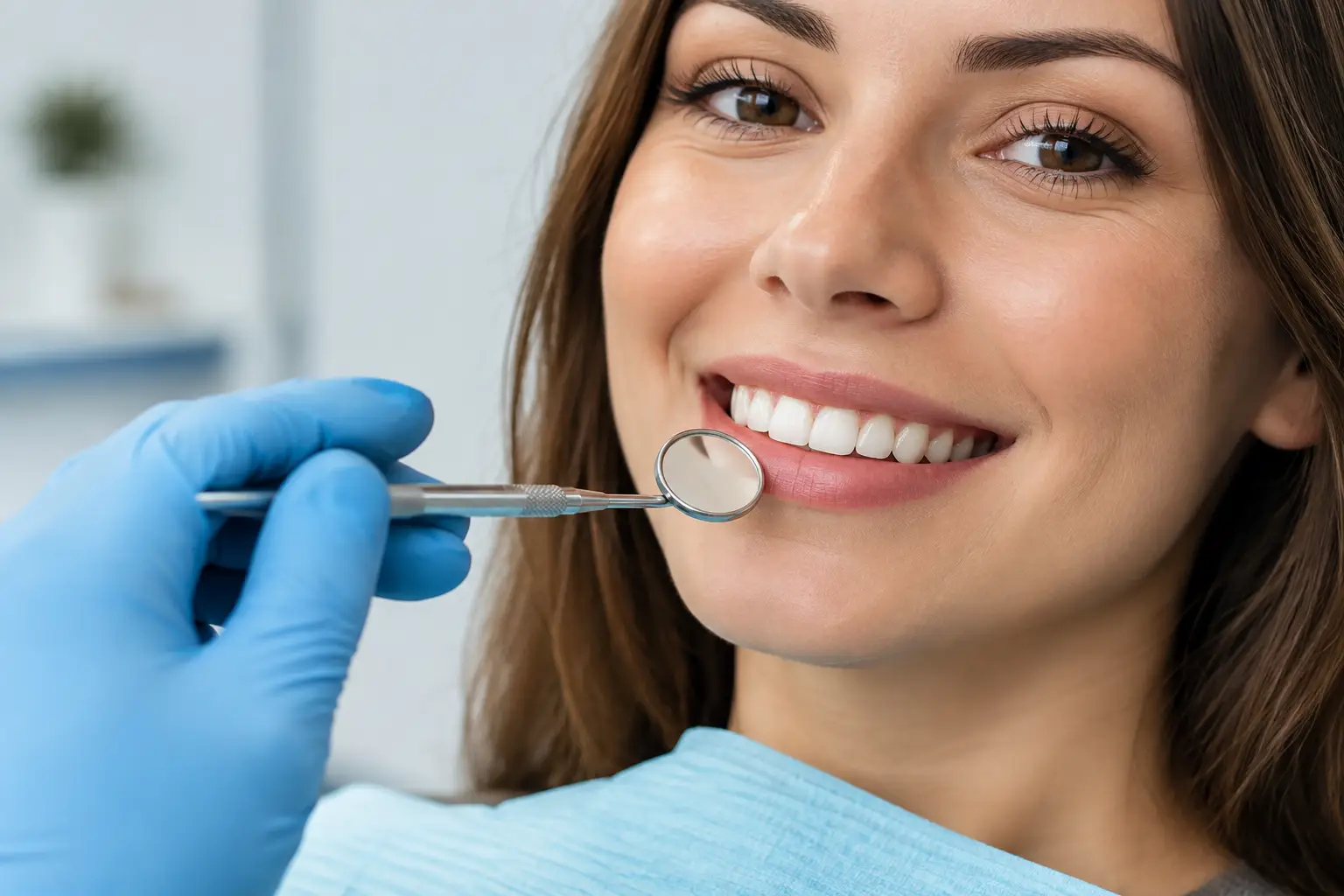
A consultation is the safest starting point for anyone who has experienced sensitivity, even if it only occurs occasionally. Your dentist can examine the teeth and gums, discuss what you would like to change and determine whether whitening is suitable now or whether preparatory care would give a more comfortable result.
This assessment also helps set realistic expectations. Whitening can lift the natural shade of enamel and reduce staining from tea, coffee, red wine and smoking, but results vary between individuals. It will not change the colour of crowns, veneers, composite bonding or fillings. If you have visible restorations at the front of your smile, your dentist can plan the order of treatment so the final shades look balanced.
A consultation-led approach is particularly helpful if one tooth is darker than the others, or if sensitivity is focused on a single tooth. These situations may need a different diagnosis and treatment plan rather than general whitening.
The gentler route is often the better route
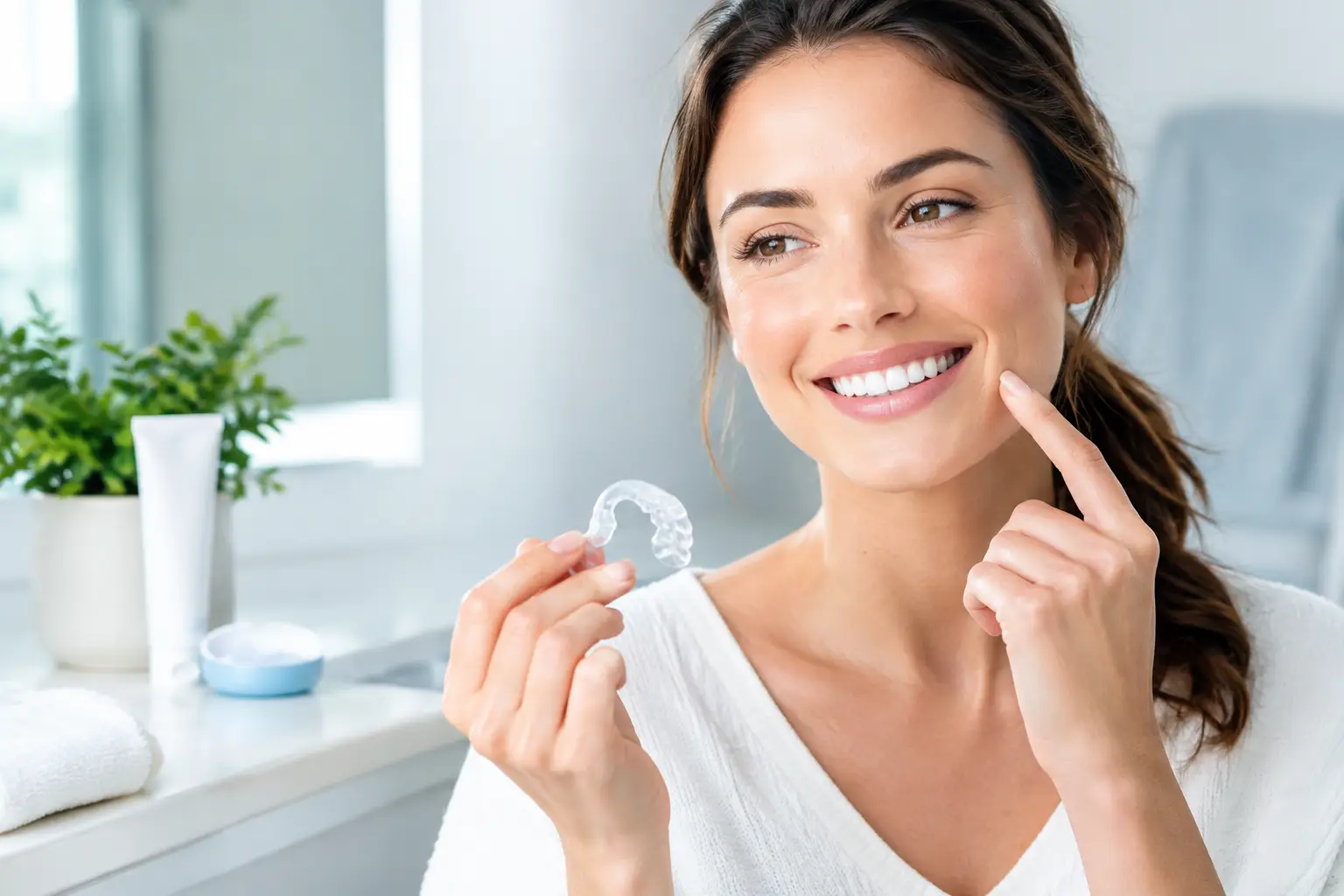
For sensitive teeth, gradual whitening with custom-made trays is commonly a comfortable and effective choice. The trays are made to fit your teeth closely, allowing the whitening gel to sit where it is needed while reducing contact with the gums. Your dentist can select an appropriate formulation and give clear instructions on how often to use it.
A lower-strength gel used over a longer period may be preferable to trying to achieve a dramatic change quickly. The treatment can also be paused or adjusted if sensitivity develops. This level of control is one of the main advantages of dentist-supervised whitening.
In-practice whitening may suit some patients, particularly when treatment is carefully tailored and monitored. However, it is not automatically the best choice for everyone with sensitive teeth. The ideal method depends on your starting shade, dental health, desired result and how your teeth have reacted to whitening previously.
Over-the-counter products can seem convenient, but they do not include a clinical examination or a bespoke treatment plan. Ill-fitting trays or strips may irritate the gums, and repeated use without advice can make it harder to understand why sensitivity is occurring. Whitening should feel considered, not like a test of endurance.
Ways to reduce sensitivity during treatment
Your dentist may recommend a desensitising toothpaste before and during whitening. These toothpastes can help calm sensitivity by reducing the nerve response within the tooth. For best results, use one consistently rather than switching products every few days.
It may also help to shorten the time you wear whitening trays, use them less frequently or take a short break between applications. These adjustments do not mean treatment has failed. They are often the most sensible way to keep progressing without unnecessary discomfort.
During whitening, avoid very cold foods and drinks if they trigger twinges. Limiting acidic drinks, such as fizzy drinks and citrus-based beverages, can also be helpful for enamel health. Use a soft toothbrush and gentle pressure, especially around the gumline, as aggressive brushing can worsen exposed areas.
If you experience persistent pain, spontaneous toothache, swelling, or sensitivity that does not settle after stopping treatment, contact your dentist. These symptoms should not be ignored or managed by simply applying more whitening gel.
When whitening may need to wait
There are times when treating the cause of sensitivity comes before improving tooth colour. Active decay, gum inflammation, cracked teeth and failing restorations should be addressed first. A professional clean may also be recommended where surface staining and tartar are masking the natural tooth shade.
Patients with significant enamel erosion or extensive gum recession may still be able to whiten, but treatment needs careful planning. In some cases, the most attractive and comfortable outcome may involve managing exposed areas first, then considering whitening at a conservative pace.
If you clench or grind your teeth, a protective night guard may be part of the wider plan. Teeth that are continually under pressure can become more prone to wear, small fractures and sensitivity. Cosmetic dentistry is most successful when it works alongside good oral health and protection for the teeth you already have.
Pregnant or breastfeeding patients should discuss the timing of elective whitening with their dentist. Delaying a cosmetic treatment can be the most appropriate option until a later stage.
Keeping your brighter shade without overdoing it
Once you have reached a shade you are happy with, maintenance is usually more conservative than the initial whitening process. Your dentist can advise when, and whether, a short top-up is appropriate. This avoids the temptation to whiten too often in pursuit of an unnaturally bright result.
Daily habits make a difference. Brushing twice a day with fluoride toothpaste, cleaning between your teeth and attending regular examinations and hygiene appointments all support a healthy-looking smile. Reducing frequent exposure to tea, coffee, red wine and tobacco can help slow new staining, although there is no need to avoid every favourite food or drink indefinitely.
A straw may reduce contact between dark drinks and the front teeth, and rinsing with water afterwards can be useful. It is best to wait before brushing after acidic drinks, as enamel is temporarily softer following acid exposure.
A personalised plan for a comfortable, confident smile
The aim of professional whitening is not to produce a uniform, artificial white. It is to refresh the natural appearance of your teeth in a way that suits your complexion, smile and goals. For some patients, whitening is a standalone treatment. For others, it is the first step before composite bonding, veneers or replacement of older visible restorations.
At Russell Avenue Dental & Implant Centre in St Albans, whitening plans are based on a clinical assessment, your sensitivity history and the result you hope to achieve. That allows treatment to move at a pace that feels manageable, with advice available if your teeth react.
If sensitivity has put you off whitening before, do not assume a brighter smile is out of reach. A careful examination and a measured treatment plan can give you a safer, more comfortable way to make a change you will feel pleased to show.