A tooth that sits slightly forward, turns at an angle or creates an uneven smile can be surprisingly noticeable to the person living with it. Porcelain veneers for crooked teeth can improve the appearance of mild alignment concerns without orthodontic treatment, but they are not the right answer for every type of crowding or tooth position. The key is understanding what veneers can disguise safely and where moving the teeth first will give a healthier, more predictable result.
Can porcelain veneers correct crooked teeth?
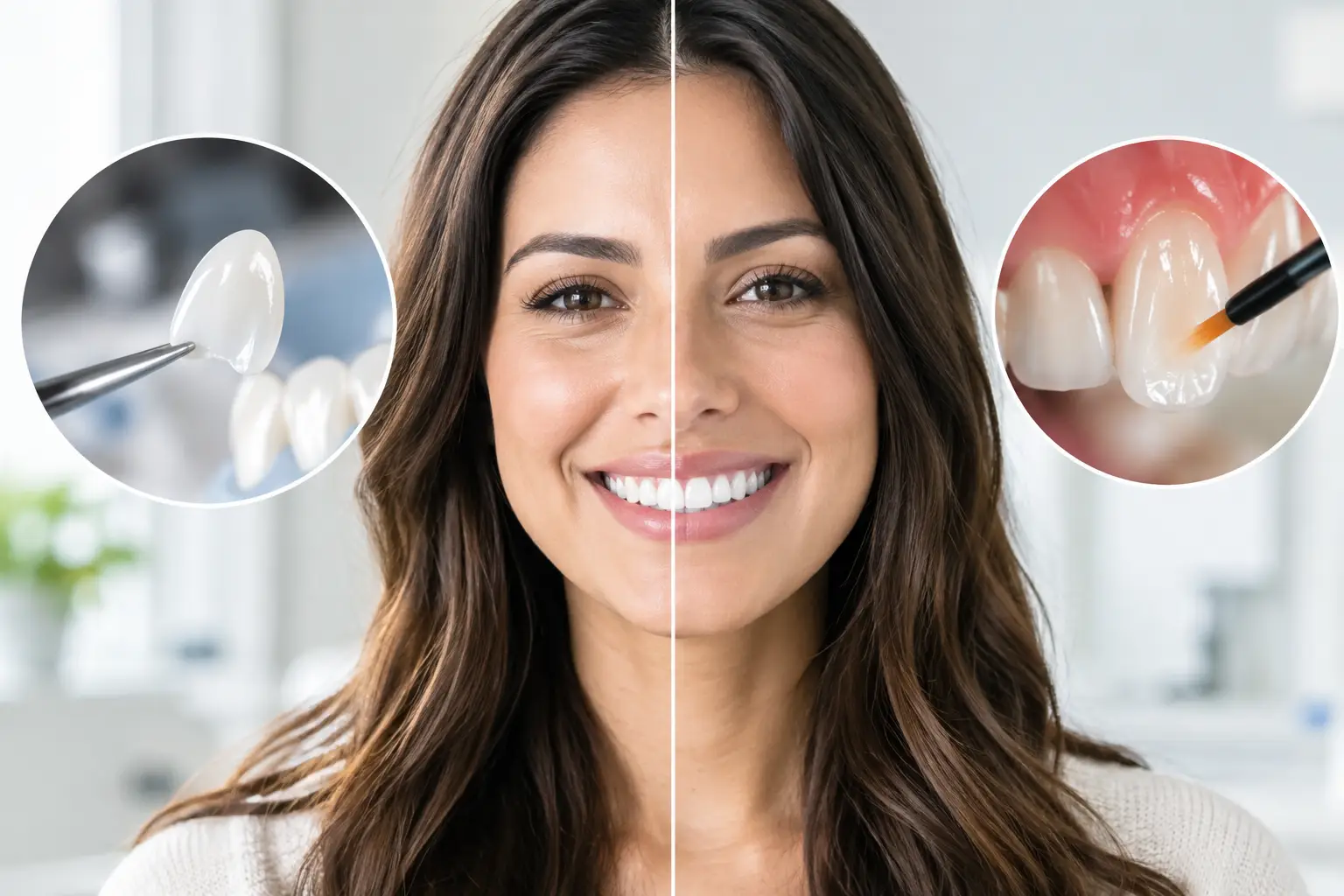
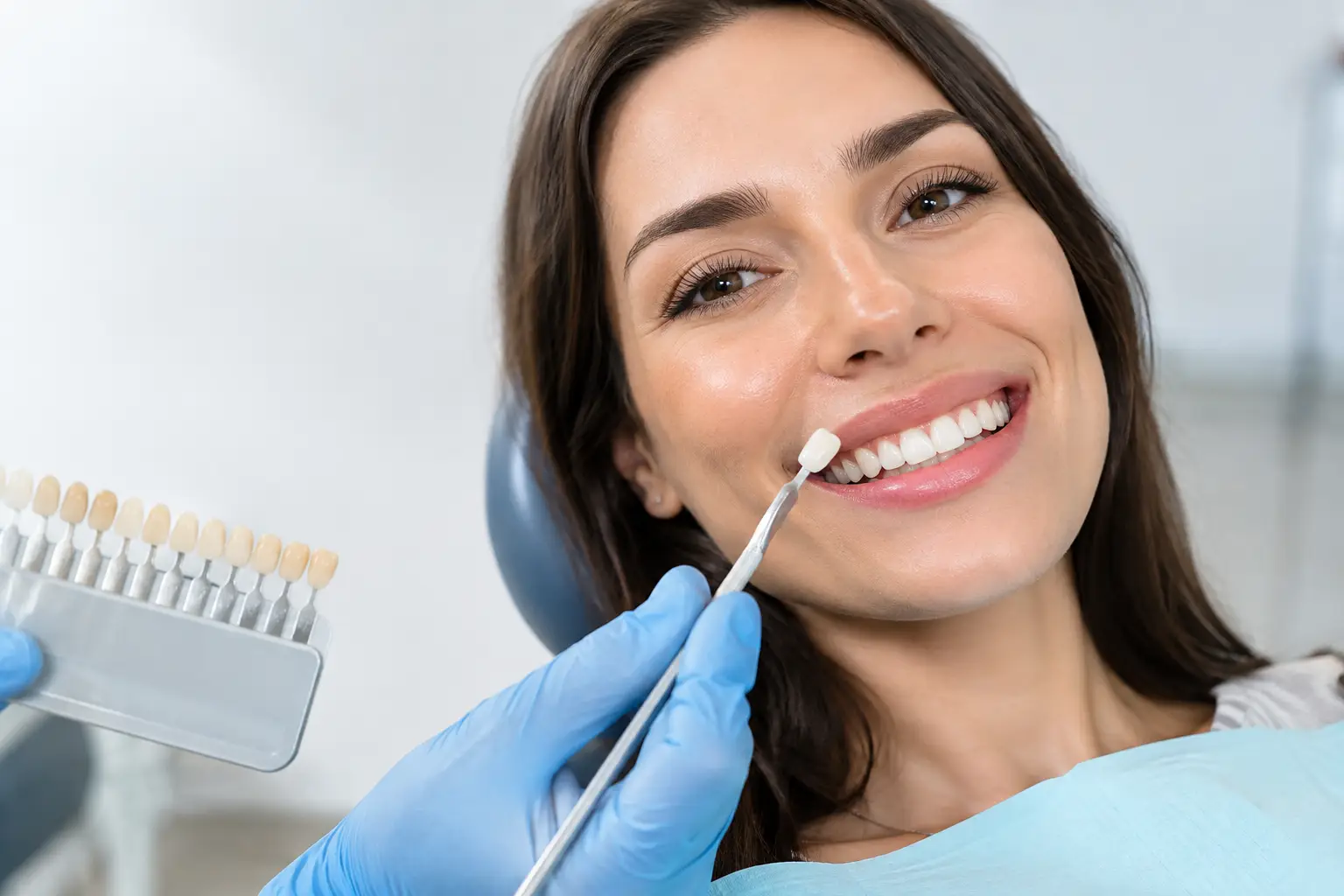
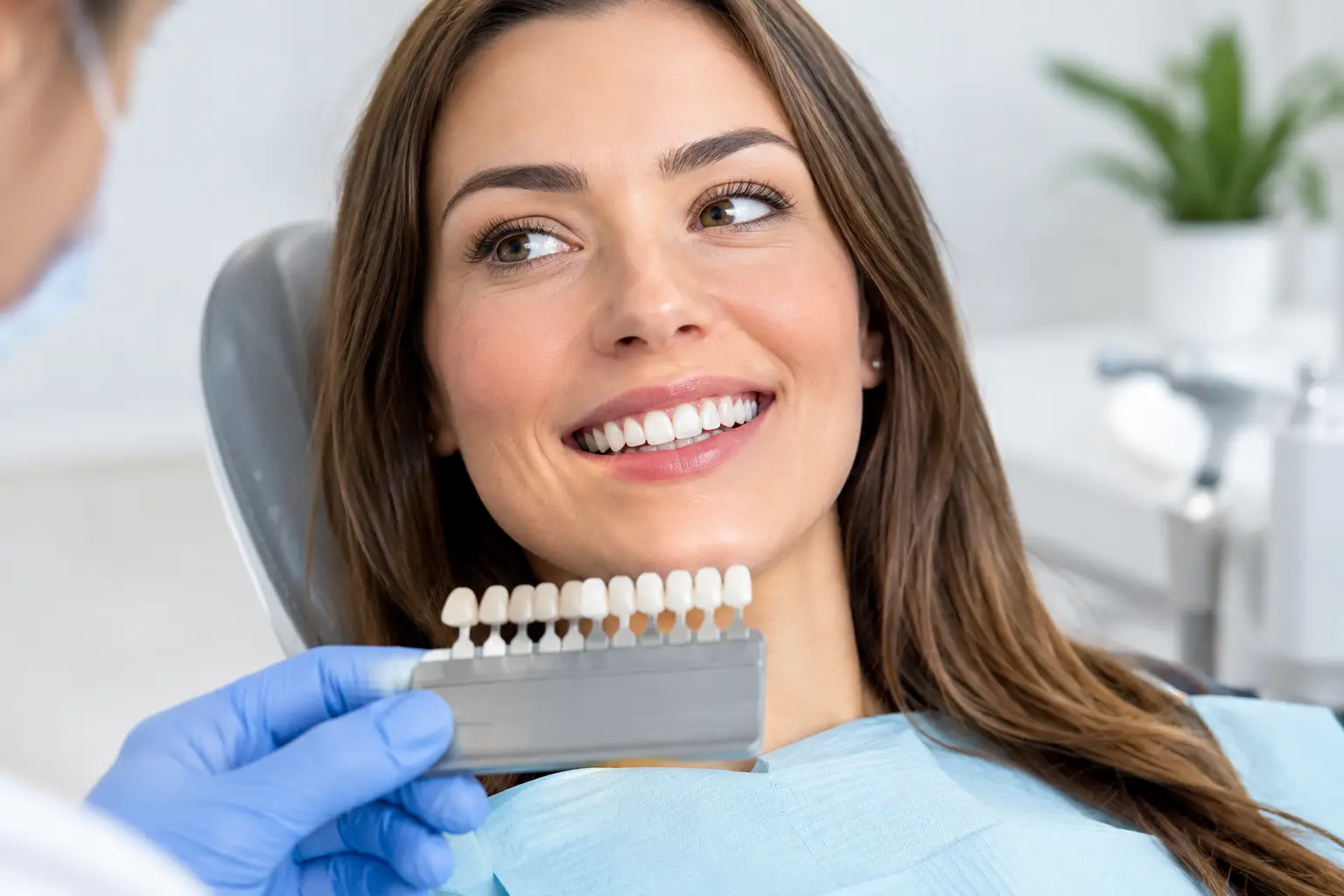
Porcelain veneers are fine, custom-made ceramic shells bonded to the front surfaces of teeth. They can alter a tooth’s visible shape, width, length and colour, allowing a dentist to create the impression of a more even, aligned smile.
For a tooth that is mildly rotated, slightly set back, uneven at the edge or narrow compared with neighbouring teeth, a veneer can often make a considerable aesthetic difference. The result is not that the tooth has physically moved. Rather, its visible surface has been carefully redesigned to sit in better harmony with the rest of the smile.
This approach may suit patients who are unhappy with minor crookedness alongside other cosmetic concerns, such as staining that does not respond well to whitening, worn edges, small gaps or old restorations. A veneer treatment plan can address several of these features at the same time.
However, veneers are not a shortcut for significant orthodontic problems. If teeth are heavily crowded, protruding, twisted or affected by the way the upper and lower teeth meet, covering them with porcelain may require too much alteration to healthy tooth structure or create an overly bulky appearance. In these situations, orthodontic treatment may be the more conservative and stable option.
When veneers may be a suitable option
The suitability of porcelain veneers depends on the individual tooth, the bite and the condition of the gums and enamel. During a consultation, your dentist will assess more than the front view of your smile. They will consider how your teeth function when you bite, speak and move your jaw.
Veneers may be appropriate where crookedness is mild and primarily cosmetic. For example, a single lateral incisor that sits slightly behind the arch, a front tooth with a subtle rotation or two teeth with uneven proportions may be improved with carefully planned veneers.
Good candidates usually have healthy gums, sufficient enamel for reliable bonding and a stable bite. Tooth grinding does not always rule out veneers, but it needs particular consideration. A protective night guard may be recommended, and in some cases a different treatment approach will be safer.
It also matters whether the concern is limited to one or two teeth or affects the whole dental arch. Treating a lone crooked tooth can occasionally make it look out of place if its colour, texture or shape does not match surrounding teeth. A personalised plan considers the wider smile, not simply the tooth that first drew your attention.
Situations where orthodontics may be better
Clear aligners or fixed braces are often preferable when the aim is to change the actual position of the teeth. This may be the case with pronounced crowding, a deep bite, crossbite, spacing caused by tooth movement or teeth that have moved after previous orthodontic treatment.
Orthodontics can create space, improve the bite and place teeth into positions that are easier to clean. Once alignment is improved, some patients find whitening and minor composite bonding are all they need. Others choose a small number of veneers afterwards to refine tooth shape or colour. This combined approach can preserve more natural tooth structure than using veneers alone to mask substantial misalignment.
What treatment with porcelain veneers involves
Veneer treatment starts with a detailed examination and discussion of what you would like to change. Photographs, digital scans and, where needed, X-rays help your dentist evaluate the teeth, gums and bite. This is the point to be open about your priorities: perhaps you want a subtle improvement, a brighter smile or a more symmetrical appearance that still looks natural.
The planning stage is especially important for crooked teeth. Your dentist can assess whether changing the front surface of each tooth will produce balanced proportions without making the teeth look too wide or prominent. In some cases, a diagnostic preview or trial smile may be used to help you understand the likely direction of the result before final porcelain is made.
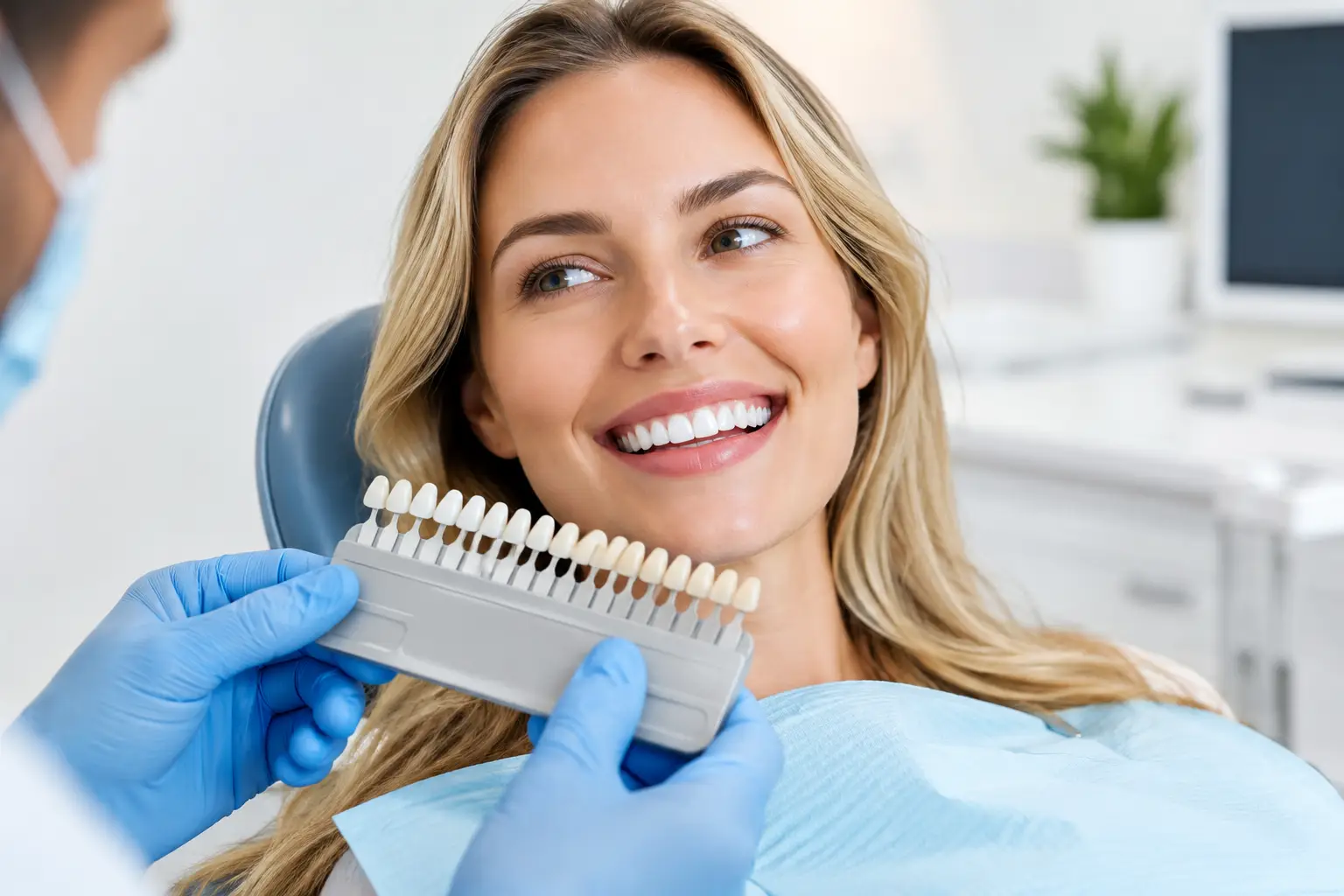
To prepare for a veneer, a small amount of enamel is usually refined from the front and sometimes the edge of the tooth. The amount varies. A tooth that sits forward may need more careful reduction than one that is set back, which is one reason why each case needs individual planning. Impressions or digital scans are then used to create veneers that fit precisely.
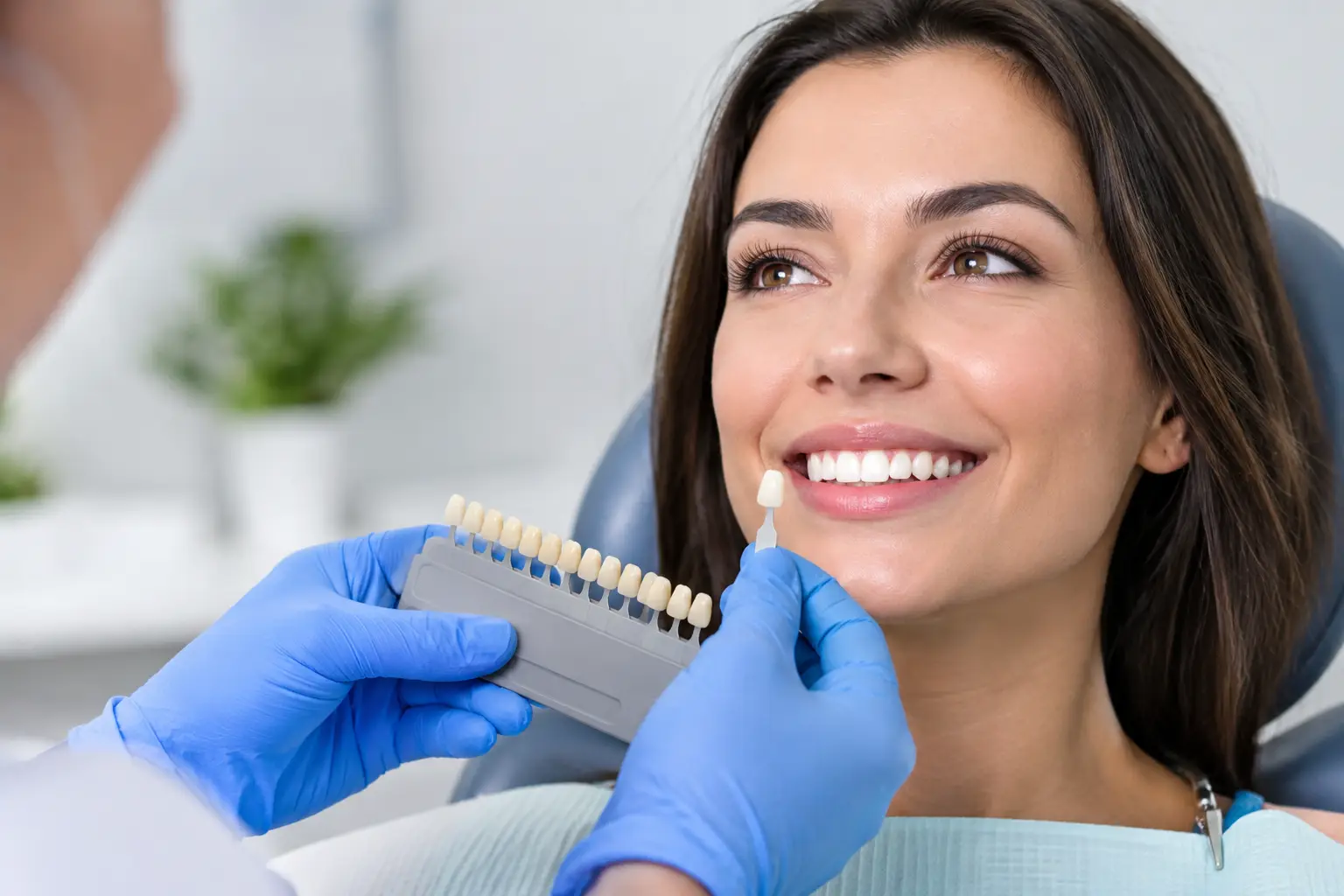
Temporary veneers may be placed while the final restorations are crafted. At the fitting appointment, the dentist checks the appearance, fit and bite before bonding each veneer into place. The porcelain is selected and finished to reflect light in a similar way to natural enamel, helping it blend with the surrounding teeth.
The benefits and trade-offs to consider
Porcelain is valued for its lifelike appearance, colour stability and resistance to everyday staining. Well-designed veneers can create a polished but natural-looking improvement, particularly when they are matched to the character of your smile rather than made uniformly bright or opaque.
For suitable cases, veneers may offer a shorter route to improving mild crookedness than orthodontic treatment. They can also address shape, shade and minor wear in the same course of care. For busy adults, this can be an appealing option when the clinical assessment supports it.
There are trade-offs, however. Veneers are an irreversible treatment because tooth preparation is usually required. They are durable, but not indestructible, and may eventually need replacement. Biting hard objects, using teeth to open packaging and untreated grinding can increase the risk of damage.
Veneers also do not improve the health of gums or correct the underlying position of teeth. Any active gum disease, decay or bite issue should be addressed before cosmetic work begins. A beautiful result depends on a healthy foundation.
Porcelain veneers, composite bonding or whitening?
The most appropriate cosmetic treatment is not always the most extensive one. Composite bonding can be an excellent option for small changes to edges, corners and gaps, often with little or no removal of enamel. It is usually more easily repaired than porcelain, although it may be more prone to staining and wear over time.
Professional whitening can brighten natural teeth but cannot straighten them or alter their shape. It is often useful before veneers or bonding, particularly if you would like the surrounding teeth to be a lighter shade. This allows new restorations to be matched to your chosen colour.
Porcelain veneers tend to be considered when a more significant, long-lasting change in shape and colour is required. The best choice depends on the amount of correction needed, your oral health, your bite and how conservative the proposed treatment can be.
Caring for veneers and your smile
Veneers should be cared for in much the same way as natural teeth. Brush twice daily with a non-abrasive toothpaste, clean between the teeth every day and attend regular examinations and hygiene appointments. The gumline around veneers needs ongoing attention, as plaque can still build up where the veneer meets the tooth.
Avoid biting directly into very hard foods with front teeth where possible, and do not use teeth as tools. If you clench or grind your teeth, wearing a professionally made night guard can help protect both veneers and natural enamel.
With sensible care and regular reviews, porcelain veneers can remain attractive and functional for many years. Their longevity is influenced by oral hygiene, bite forces, lifestyle habits and the quality of the original planning and fitting.
For patients in St Albans considering cosmetic dentistry, the most useful next step is a consultation that looks beyond a photograph of a crooked tooth. At Russell Avenue Dental & Implant Centre, a considered assessment can establish whether veneers will genuinely support the smile you want, or whether another treatment will protect your teeth and serve you better in the long term.