
A smile makeover is rarely about one tooth alone. When you are considering porcelain veneers, you may be weighing the appearance you want against the long-term commitment involved. Understanding porcelain veneers cost can make that decision feel more straightforward, provided you know what a quoted price includes and why one patient’s treatment may differ from another’s.
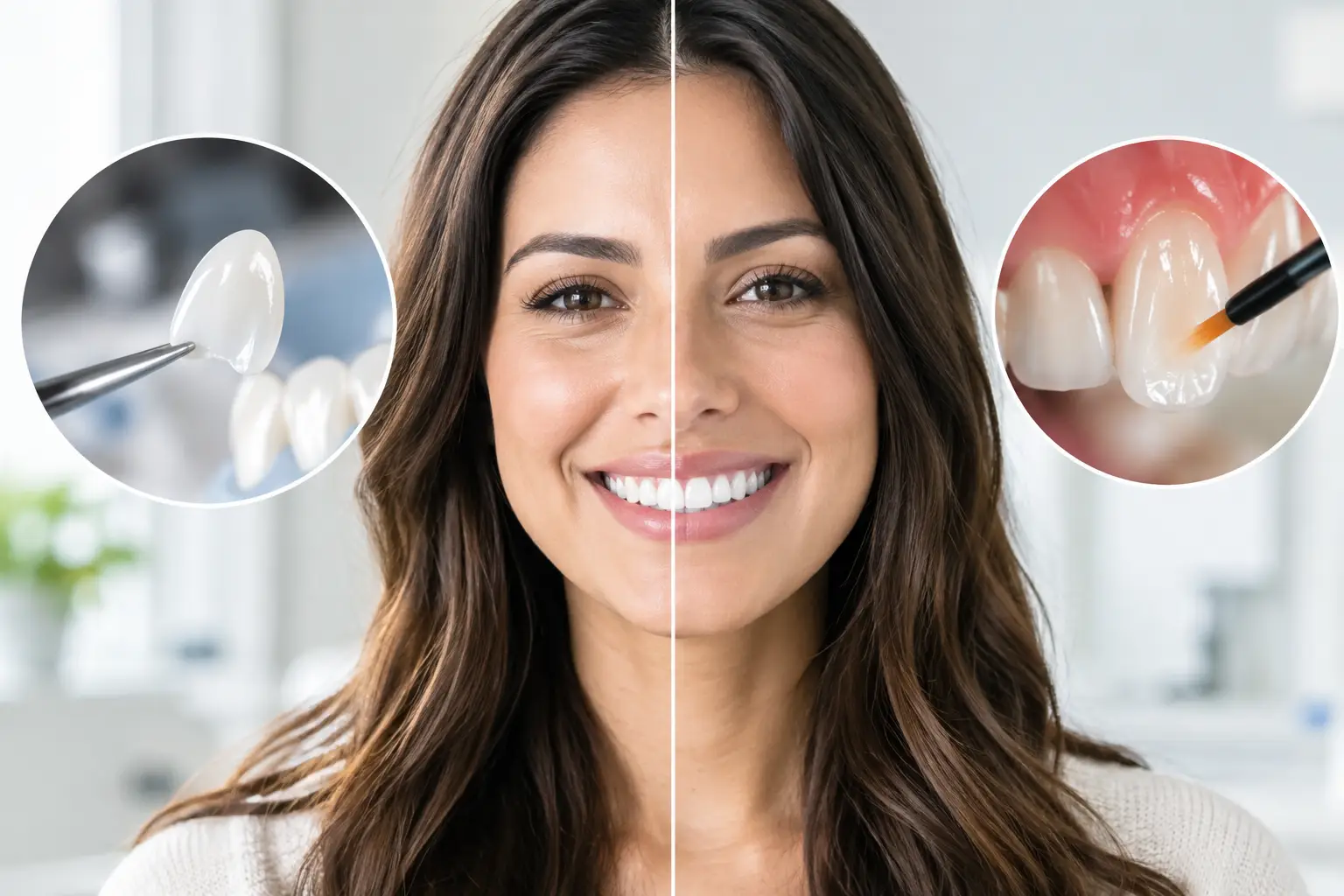
Porcelain veneers are individually made, fine ceramic shells bonded to the front surfaces of teeth. They can improve the appearance of discolouration, small chips, uneven edges, minor gaps and teeth that appear out of proportion. They are a highly personalised treatment, so a meaningful price can only follow a clinical assessment of your teeth, bite and goals.
What does porcelain veneers cost in the UK?
As a general guide, porcelain veneers in the UK commonly cost from around £700 to £1,200 or more per tooth. This is a broad indication rather than a fixed fee. The final cost depends on the number of veneers required, the complexity of preparation, the type of ceramic selected, laboratory work and whether other treatment is needed first.
Some patients want to improve a single darkened, worn or chipped front tooth. Others are looking at a set of veneers across the teeth that show when they smile. A treatment involving six, eight or ten veneers will naturally carry a higher overall cost, but it may produce a more balanced result than treating one or two teeth in isolation.
A lower advertised starting price is not always a like-for-like comparison. It may exclude consultation appointments, diagnostic planning, temporary veneers, laboratory fees or review visits. Asking what is included helps you compare options properly and avoid unexpected additions to your treatment plan.
Why porcelain veneer prices vary
The most significant factor is the level of planning behind the result. Veneers need to complement your natural facial features, smile line, tooth shape and bite. They should also blend convincingly with your surrounding teeth, particularly when only one or a small number of teeth are being treated.
The number and position of teeth
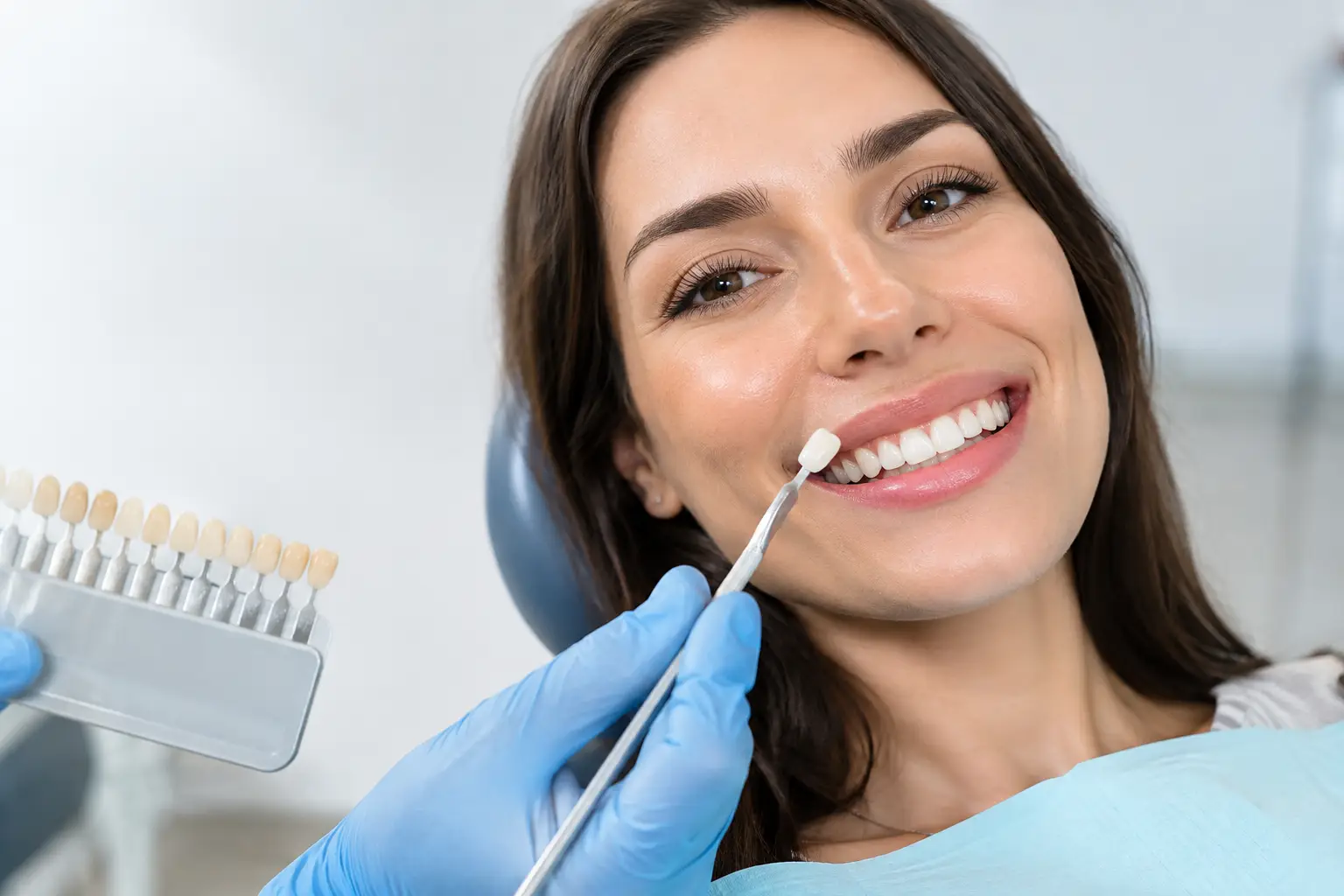
Front teeth are visible in a different way to teeth further back in the mouth. A veneer that sits beside natural teeth requires careful shade matching and shaping. Where several veneers are planned, the dentist can create a more consistent colour and proportion across the smile, but this also involves more clinical and laboratory time.
The right number is not always the largest number. Your dentist should discuss which teeth are visible when you speak and smile, then recommend an approach that suits your existing dentition and aims.
The quality of the ceramic and laboratory work
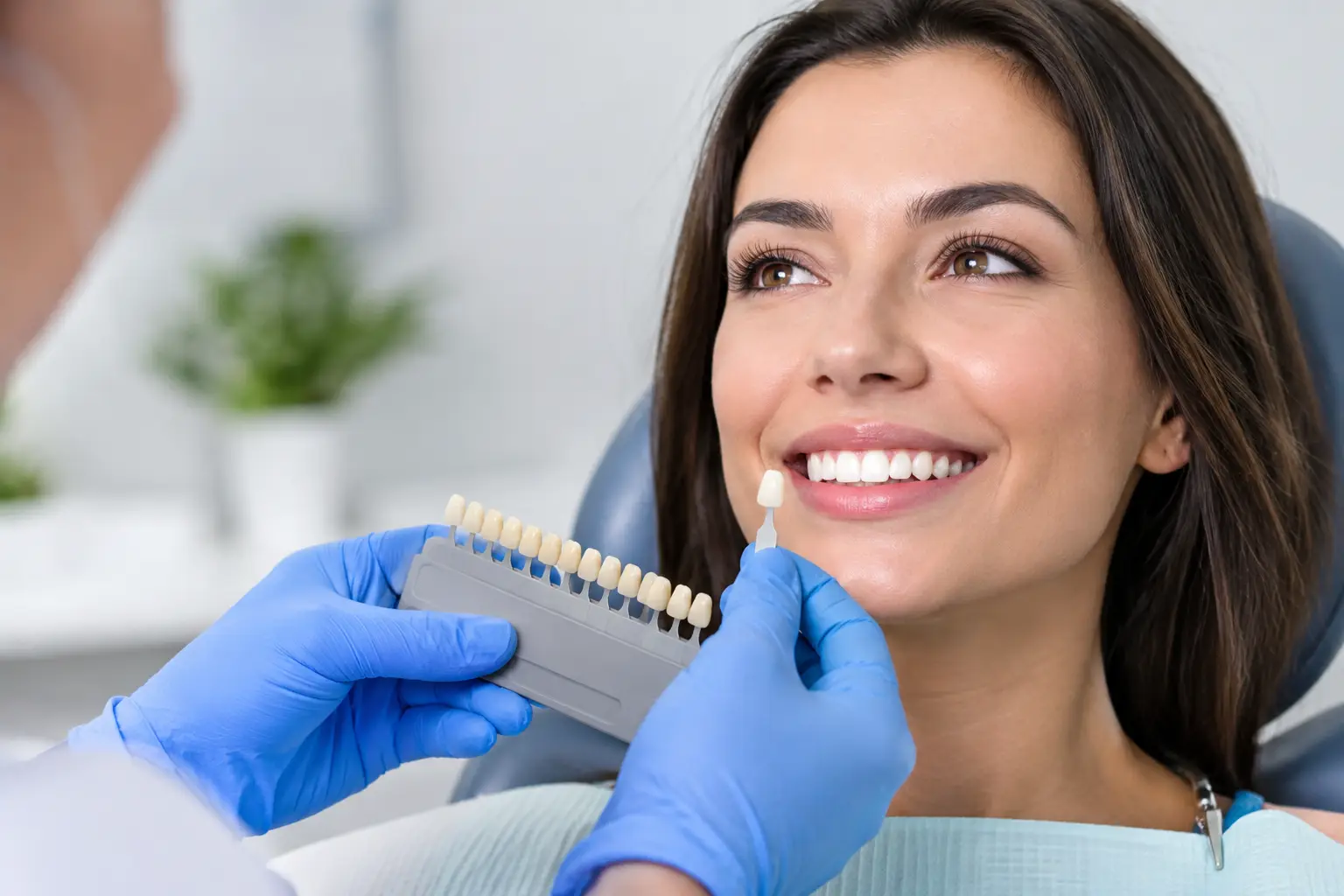
Porcelain is valued for the way it reflects light, closely resembling natural enamel. High-quality ceramic veneers are crafted by a dental laboratory to the specifications of your dentist. The ceramist’s work is central to the final appearance, from subtle surface texture to translucency around the edge of the tooth.
This detail matters most when the goal is a natural-looking enhancement rather than an obviously uniform smile. More complex characterisation, customised shade work and highly aesthetic ceramics may affect the cost, but they can make a considerable difference to the final result.
Preparation and the condition of your teeth
Some veneers require a small amount of enamel to be shaped so that the finished tooth does not look bulky. The amount of preparation varies. It depends on the position, colour, shape and alignment of each tooth, as well as the desired outcome.
Teeth with old fillings, decay, gum inflammation, cracks or significant wear may need treatment before veneers can be considered. This is not an unnecessary extra. Veneers are bonded to teeth, so healthy gums and a stable foundation are essential to their appearance and longevity.
Your bite and any protective treatment
If you clench or grind your teeth, veneers may still be possible, but your dentist will need to assess the forces placed on them. A night guard may be recommended after treatment to protect both your veneers and natural teeth. In some cases, orthodontic treatment, restorative dentistry or a different cosmetic option may be more appropriate before veneers are placed.
What should a veneer treatment plan include?
A well-planned veneer case is more than the fitting appointment. It usually begins with a consultation and examination, where you can discuss what you would like to change and what you would prefer to keep natural. Photographs, scans or impressions may be used to assess your smile and communicate the intended result.
Your dentist should also check the health of your teeth and gums, review any previous dental work and assess how your teeth meet. If porcelain veneers are suitable, you should receive a personalised treatment plan setting out the recommended number of veneers, stages of care, costs and likely timescale.
The clinical stages may include preparation appointments, temporary veneers where appropriate, a laboratory phase and a fitting visit. At the fitting appointment, veneers are tried in and assessed for appearance and fit before they are bonded into place. Follow-up care allows your dentist to check that you are comfortable and that your bite feels right.
At Russell Avenue Dental & Implant Centre in St Albans, consultation-led planning is designed to give patients clarity before committing to cosmetic treatment. The focus should be on a result that looks considered, feels comfortable and works well with your oral health.
Are porcelain veneers worth the cost?
Whether veneers represent good value depends on your priorities. They can offer a durable, stain-resistant and natural-looking solution for carefully selected patients. Unlike whitening, which changes the colour of natural enamel, veneers can alter both colour and shape. Unlike composite bonding, porcelain is generally more resistant to staining and can retain its polished finish for longer.
There are trade-offs. Porcelain veneers are usually more expensive than composite bonding and, where tooth preparation is required, the treatment is not reversible. Veneers can also chip, debond or require replacement over time, particularly if they are exposed to heavy biting forces or not cared for properly.
For a small chip or slight edge irregularity, composite bonding may be the more conservative and cost-effective choice. For healthy teeth that are simply darker than you would like, professional whitening may achieve the change you want without covering the tooth surface. Veneers are most valuable when several cosmetic concerns need to be addressed together and their benefits justify the commitment.
Looking after veneers after treatment
Good daily care helps protect your investment. Brush twice a day with a non-abrasive toothpaste, clean between your teeth daily and attend regular dental examinations and hygiene appointments. Although porcelain does not respond to whitening in the same way as enamel, the natural teeth around it can change colour over time, so this is worth considering during shade planning.
Avoid using your teeth to open packaging or bite hard objects. If you play contact sports, wear a suitable mouthguard. If you grind your teeth, use any night guard recommended by your dentist. These straightforward habits can reduce the risk of damage and help your veneers continue to look their best.
Questions to ask before choosing veneers
Before proceeding, ask whether veneers are the most conservative option for your teeth, how much preparation is likely to be needed and what alternatives could achieve a similar result. It is also sensible to ask what the quoted fee covers, how your bite will be assessed and what aftercare will be recommended.
A good consultation should leave you with realistic expectations, not pressure to make an immediate decision. The right treatment is one that respects the health of your teeth while helping you feel more at ease with your smile. If you are considering porcelain veneers in St Albans, a personal assessment is the clearest way to understand the cost, the choices available and the result that is genuinely right for you.