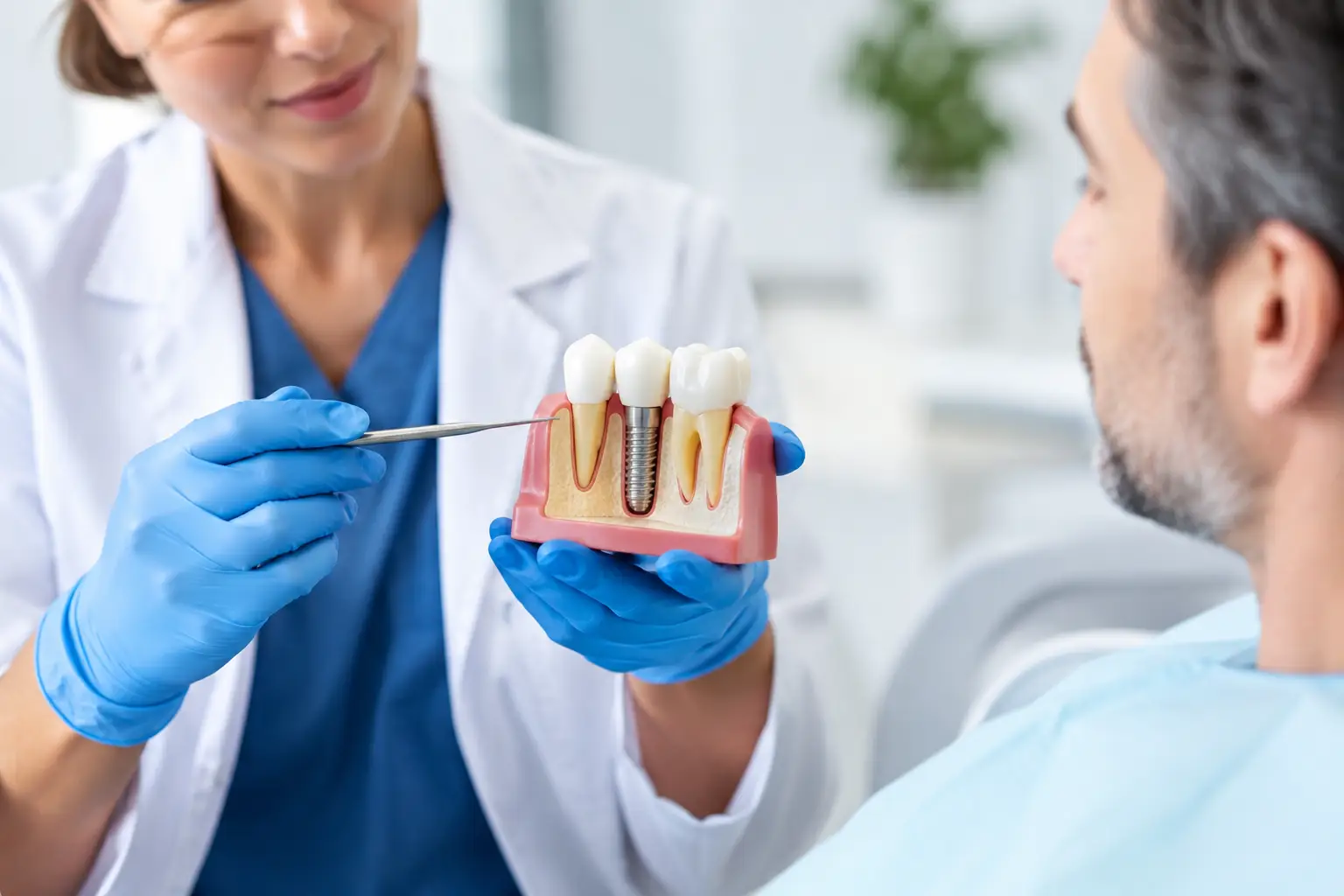

A small gap between the front teeth can be a distinctive feature, but for many people it is the first thing they notice in photographs, meetings or the mirror. If you are asking, can composite bonding close gaps, the answer is often yes – provided the spacing, tooth proportions and bite make it an appropriate choice. The best result is not simply about filling an empty space. It is about creating a smile that looks balanced, natural and comfortable to use.
Can composite bonding close gaps safely?
Composite bonding can close small to moderate gaps by applying a tooth-coloured resin to one or both teeth beside the space. Your dentist carefully shapes and polishes the material so the teeth appear slightly wider, allowing the gap to disappear or become less noticeable.
It is most commonly used for gaps between the upper front teeth, though it can also improve spacing elsewhere in the smile. In many suitable cases, little or no natural tooth enamel needs to be removed. This conservative approach is a key reason why bonding appeals to patients who want a noticeable cosmetic improvement without committing to veneers or more extensive treatment.
Safety and appearance depend on careful planning. Adding composite changes the width and contours of the teeth, so the dentist needs to assess whether this will complement your existing smile rather than make teeth look overly broad or uneven. The aim is a result that belongs naturally to your face and smile, not one that looks obviously altered.
When bonding is a good option for a gap
Composite bonding tends to work well where the gap is relatively small, the teeth are healthy and well positioned, and the surrounding gum line is stable. It can be particularly effective when the front teeth are naturally a little narrow, have uneven edges or show small chips alongside the spacing.
The treatment may also suit someone who has completed orthodontic treatment but would like a minor space refined afterwards. Teeth do not always have perfectly symmetrical shapes, even after they have been moved into a good position. A small amount of composite can improve the final proportions.
Before treatment, your dentist will examine the teeth, gums and bite. Existing decay, gum inflammation or active tooth grinding should be addressed first. Bonding is an aesthetic treatment, but it should always sit on a healthy clinical foundation.
Why the size and cause of the gap matter
Not every gap should be closed with composite alone. A larger space may require so much added width that the front teeth begin to look out of proportion. In these cases, orthodontic treatment may be a more predictable way to move the teeth and distribute space more naturally.
The reason the gap developed matters too. Some gaps are linked to tooth shape or natural spacing. Others are caused by gum disease, missing teeth, a prominent lip frenum, shifting teeth or bite forces. Treating the visible space without understanding the cause can compromise the longevity of the result.
For example, if gum disease has led to teeth moving apart, stabilising gum health is the priority. If a missing tooth has allowed neighbouring teeth to drift, a dental implant or another tooth-replacement option may be more appropriate than widening the adjacent teeth with bonding.
What happens during composite bonding?
A consultation allows your dentist to discuss what you would like to change and assess whether composite bonding is the right route. Photographs, shade assessment and, where needed, digital planning can help show how closing the space could affect the overall appearance of your teeth.
On the day of treatment, the teeth are cleaned and prepared. In many cases, this involves minimal surface conditioning rather than drilling. The dentist applies the composite in fine layers, building the shape gradually. Each layer is set with a curing light before the final contours are refined and polished.
Treatment for a simple front-tooth gap can often be completed in one appointment. It is usually comfortable and does not normally require an injection, although this depends on whether any additional reshaping or treatment is needed. The process is highly artistic as well as clinical: surface texture, translucency and light reflection all influence how natural the finished teeth appear.
The benefits and limitations of closing gaps with composite
For the right patient, bonding offers an immediate improvement with a relatively conservative treatment approach. The shade can be matched closely to your teeth, and the material can be shaped to soften uneven edges at the same time as closing a gap. It is also repairable if a small area chips in future.
However, composite is not as hard-wearing or stain-resistant as porcelain. Tea, coffee, red wine and tobacco can gradually affect its appearance, especially at the polished surface. Regular hygiene appointments and professional polishing can help maintain the finish, but the material may eventually need refreshing or replacement.
Bonding can also chip or wear if you bite pens, open packaging with your teeth or grind your teeth at night. A protective night guard may be recommended for people who clench or grind. This is not a reason to rule out treatment automatically, but it is an important part of planning for a lasting result.
Colour is another consideration. Composite will not lighten when you whiten your natural teeth. If you are considering professional tooth whitening, it is often best to whiten first and choose the composite shade afterwards. This gives a more consistent colour match and avoids replacing bonding sooner than necessary.
Composite bonding, orthodontics or veneers?
The right approach depends on what is creating the gap and what else you would like to change. Composite bonding is often ideal for small spaces, minor shape changes and patients who value preserving as much natural tooth structure as possible.
Orthodontic treatment may be preferable for wider gaps, crowded teeth, bite concerns or spacing across several teeth. It moves teeth rather than masking their position, although bonding can still be used afterwards for small finishing adjustments.
Porcelain veneers may be considered where there are more significant concerns about shape, colour or wear as well as spacing. They can offer excellent durability and colour stability, but usually involve a greater commitment than composite bonding. A consultation should compare these options honestly, including the likely maintenance and the amount of change each treatment involves.
Looking after bonded teeth
Once a gap has been closed, care is straightforward. Brush twice daily with fluoride toothpaste, clean between the teeth every day and attend regular dental examinations and hygiene visits. Interdental cleaning remains essential, even when the teeth sit closely together, because plaque can collect at the gum line and between contact points.
Avoid using your teeth as tools, and take care with very hard foods if you have bonding on the biting edges. If you notice roughness, a chip, staining or a change in how your teeth meet, arrange an appointment rather than trying to smooth it yourself. Small repairs are often simpler when dealt with promptly.
Will a closed gap open again?
The composite itself does not move, but teeth can shift over time, particularly if there is untreated gum disease, tongue pressure, tooth grinding or no retention after orthodontics. Your dentist can explain whether a retainer, night guard or further assessment would help protect your result.
Does composite bonding look natural?
It can look very natural when the shape, shade and polish are planned carefully. The most successful cases respect the natural character of the teeth rather than making every surface identical. Slight variations in texture and translucency are often what make a smile look believable.
How long does composite bonding last?
Longevity varies with the size and position of the bonding, your bite, daily habits and oral hygiene. With good care, bonding can remain attractive for several years, although it may need polishing, repair or replacement over time. Your dentist should discuss realistic maintenance before you decide.
For patients in St Albans who would like to improve a gap without unnecessary treatment, a consultation at Russell Avenue Dental & Implant Centre can provide a clear, personalised answer. A carefully planned result should give you more confidence when you smile while keeping your teeth healthy, comfortable and recognisably your own.