A small chip can draw your eye every time you speak, smile or see a photograph of yourself. Composite bonding for chipped teeth can often restore the lost shape in a single appointment, using a tooth-coloured resin that is carefully matched and sculpted to blend with your natural enamel. It is a conservative cosmetic treatment, but the best result starts with understanding why the chip happened and whether bonding is the right long-term choice for your tooth.
What is composite bonding for chipped teeth?
Composite bonding is a technique in which a dentist applies layers of tooth-coloured composite resin directly to the tooth. The material is shaped by hand to rebuild a corner, soften an uneven edge or disguise a small area of enamel loss. It is then hardened with a curing light, refined and polished to give a natural-looking finish.
For a minor chip on a front tooth, this approach can be particularly effective because it usually preserves the healthy tooth structure beneath. In many cases, little or no drilling is required. The aim is not to create a noticeably different tooth, but to restore proportion, symmetry and a smooth surface that feels comfortable when you bite.
The result depends on more than simply filling the missing section. Your dentist will consider the tooth’s natural translucency, shade, contours and position alongside the teeth around it. A well-planned bonded repair should look at home in your smile rather than like an obvious addition.
When bonding may be a suitable option
Bonding can suit patients with small to moderate chips, worn corners, uneven incisal edges or minor cosmetic imperfections. It may also be considered where a previous composite repair has become stained, rough or fractured and needs replacing.
It is often appealing to patients who want an improvement without committing to a more extensive restoration. Compared with porcelain veneers or crowns, bonding is generally more conservative, as it can retain more of the natural enamel. It is also usually easier to adjust or repair should a small section chip in future.
However, suitability is not determined by the size of the chip alone. A tooth that has been damaged in an accident may have a crack, nerve injury or looseness that needs assessment before any cosmetic work is carried out. Similarly, chips caused by tooth grinding, an uneven bite or weakened enamel can recur if the underlying cause is not addressed.
A healthy foundation matters
Before treatment, your dentist should examine the teeth, gums and bite. Decay, gum inflammation and pain should be managed first, while signs of grinding may indicate that a protective night guard would help preserve the repair. If the tooth is heavily broken, discoloured following trauma or has a large existing filling, a different restorative option may provide better strength and coverage.
This is why a consultation-led approach matters. The most conservative treatment is not always the smallest treatment on the day – it is the option that supports the tooth and your smile over time.
What happens during the appointment?
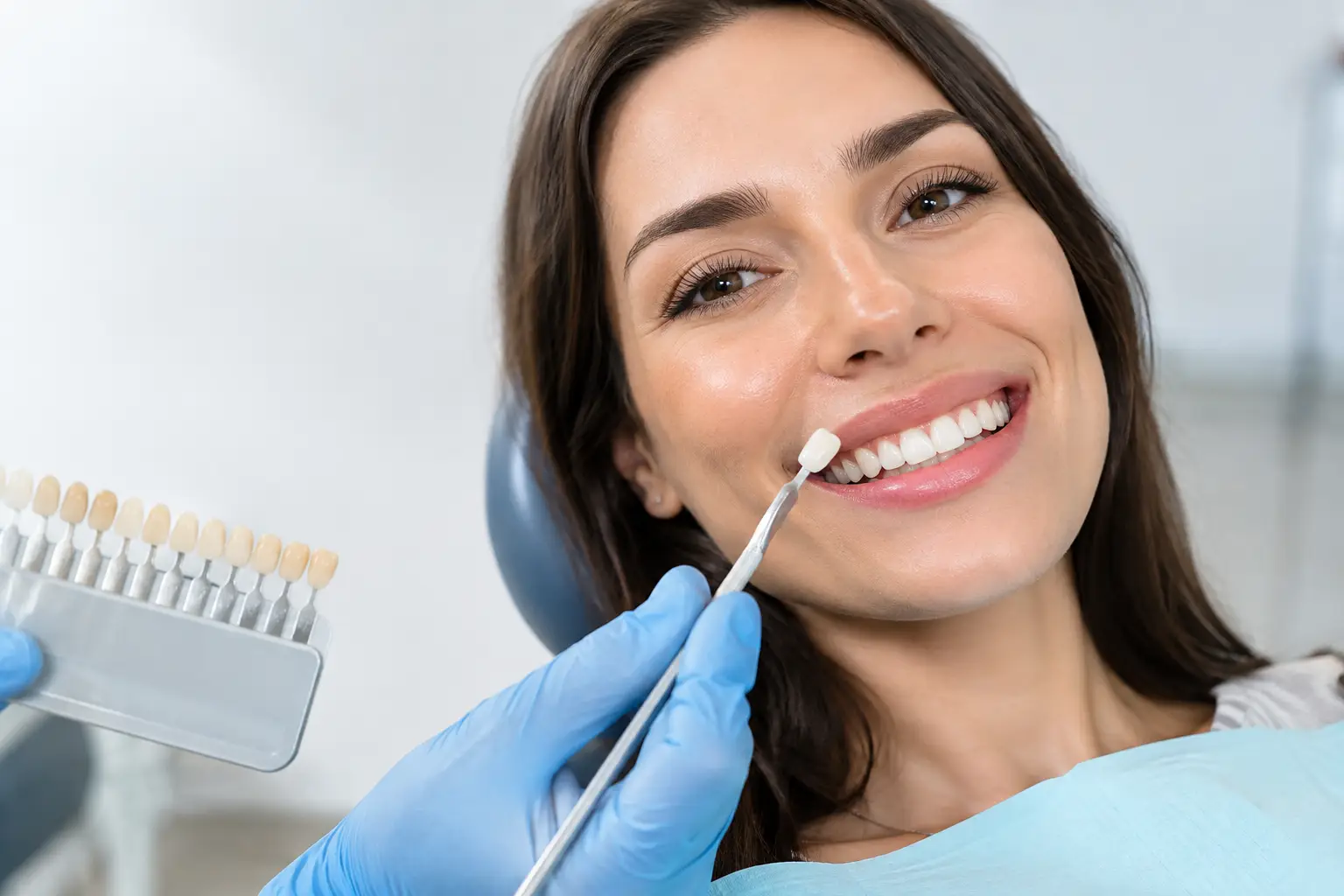
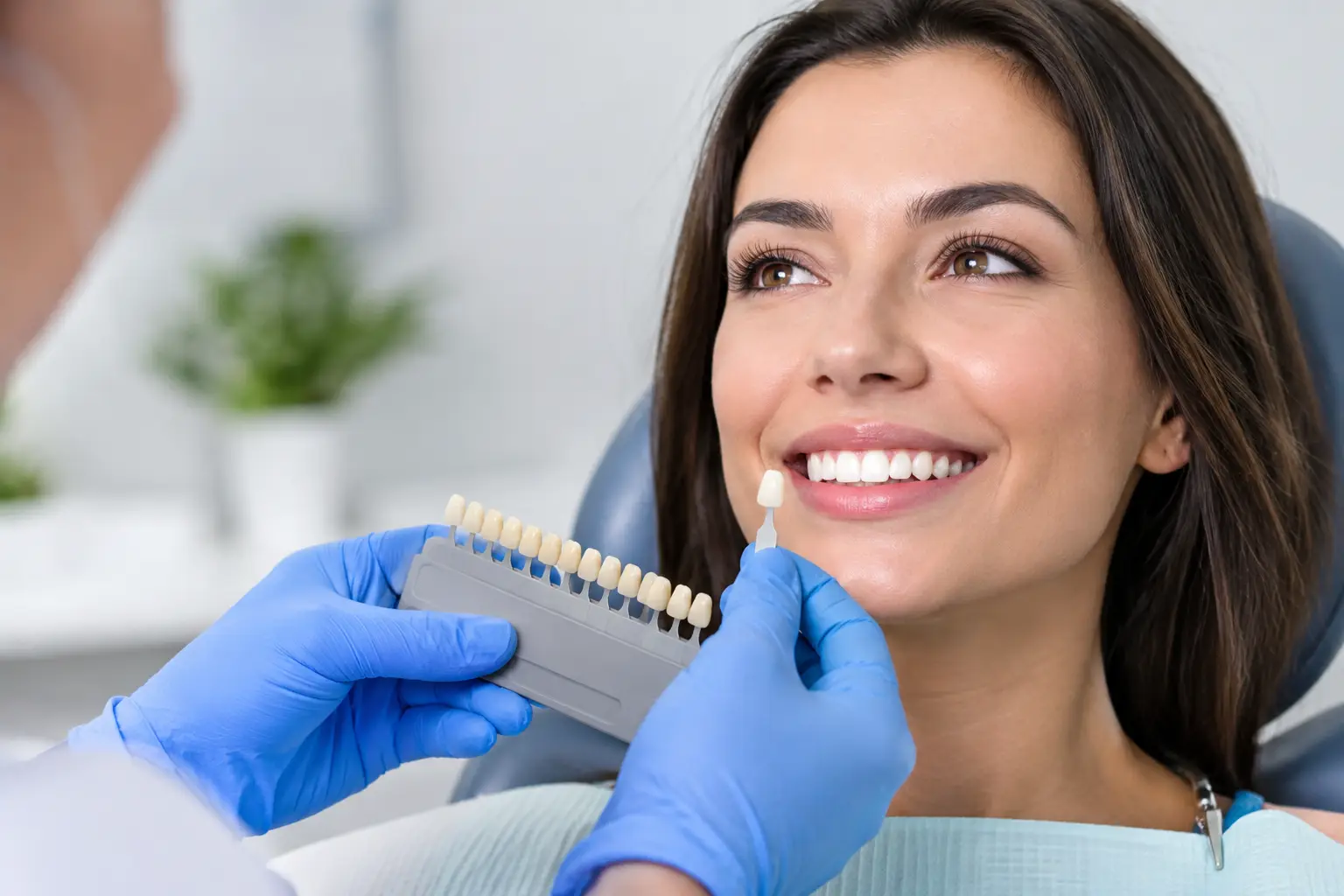
For straightforward composite bonding for chipped teeth, treatment can often be completed in one visit. Your dentist begins by selecting a composite shade that works with your surrounding teeth. Where appropriate, the surface is prepared so the material can bond securely. Local anaesthetic is not always necessary for a small repair, although it may be used if the tooth is sensitive or more preparation is needed.
The composite is placed in fine layers, with each layer cured before the next is added. This gives the dentist control over shape and shade, particularly at the edge of a front tooth where light naturally passes through enamel. Once the contour is established, the restoration is polished and your bite is checked carefully.
You should be able to use the tooth normally afterwards. It may feel slightly unfamiliar for a short time because the edge has changed, but it should not feel bulky or interfere with your bite. If it does, contact the practice so it can be reviewed and adjusted.
The benefits, and the trade-offs, of composite bonding
The principal benefit of bonding is that it can deliver a meaningful visual improvement with minimal alteration to the tooth. It can restore a chipped edge quickly, achieve a natural colour match and avoid the need for a laboratory-made restoration in many cases. For patients preparing for a wedding, professional photographs or simply wanting to feel less self-conscious about a visible chip, this can make it a practical option.
Composite resin is not identical to natural enamel, however. It is durable but can chip, wear or stain over time, particularly if you bite nails, chew pens, regularly eat very hard foods or grind your teeth. Coffee, tea, red wine and tobacco can gradually affect its surface colour more than they affect porcelain.
Bonding therefore needs sensible aftercare and periodic review. A repair may be polished, repaired or replaced when required, but its lifespan varies considerably from one patient to another. Your bite, diet, oral hygiene and the location of the restoration all play a part.
Bonding, veneers or whitening?
The right treatment depends on what you would like to change. If one or two teeth have a small chip but their colour and overall shape are pleasing, bonding may be all that is needed. If several front teeth are uneven, worn or heavily restored, porcelain veneers may be worth discussing as part of a broader smile plan.
Teeth whitening can be helpful when you would like a brighter overall smile, but it will not lighten existing composite. For this reason, patients considering both treatments often whiten first, allow the shade to settle, then have bonding matched to the new tooth colour. This avoids creating a repair that looks darker after whitening.
There is no universal best option. A personalised assessment allows you to balance appearance, longevity, tooth preservation and budget without being pushed towards treatment that is more extensive than your needs require.
Caring for a bonded tooth
Good daily care protects both the composite and the natural tooth around it. Brush twice daily with fluoride toothpaste, clean between the teeth and attend routine examinations and hygiene appointments as advised. Avoid using your teeth as tools to open packaging or hold objects, as this places unnecessary pressure on bonded edges.
If you play contact sport, a professionally made mouthguard can reduce the risk of further damage. If you clench or grind your teeth at night, a night guard may help prevent repeated chipping. It is also wise to take care with hard foods such as ice, boiled sweets and unpopped popcorn kernels, especially where bonding has restored a front corner.
Should the composite become rough, stained or damaged, do not attempt to smooth it yourself. A dentist can assess whether a simple polish or repair is appropriate and ensure there is no deeper problem with the tooth.
A considered route to a more even smile
A chipped tooth may be a small concern clinically, yet it can have a disproportionate effect on how comfortable you feel smiling. At Russell Avenue Dental & Implant Centre in St Albans, a consultation can clarify whether composite bonding offers the natural, conservative repair you are looking for, while ensuring the health and function of the tooth are not overlooked. The most reassuring next step is a professional assessment that gives you a clear plan, realistic expectations and a result designed around your own smile.