A missing tooth can affect far more than the appearance of your smile. It may change how comfortably you chew, how clearly you speak or how confident you feel in photographs and conversations. Understanding how dental implant surgery works can make the decision feel much more manageable: treatment is carefully planned, completed in stages and tailored to the condition of your mouth.
A dental implant is designed to replace the root of a missing tooth. Once it has healed in the jawbone, it provides a stable foundation for a crown, bridge or, in some cases, a full arch of replacement teeth. The goal is a result that feels secure, functions naturally and is made to suit your smile.
How dental implant surgery works from consultation to crown
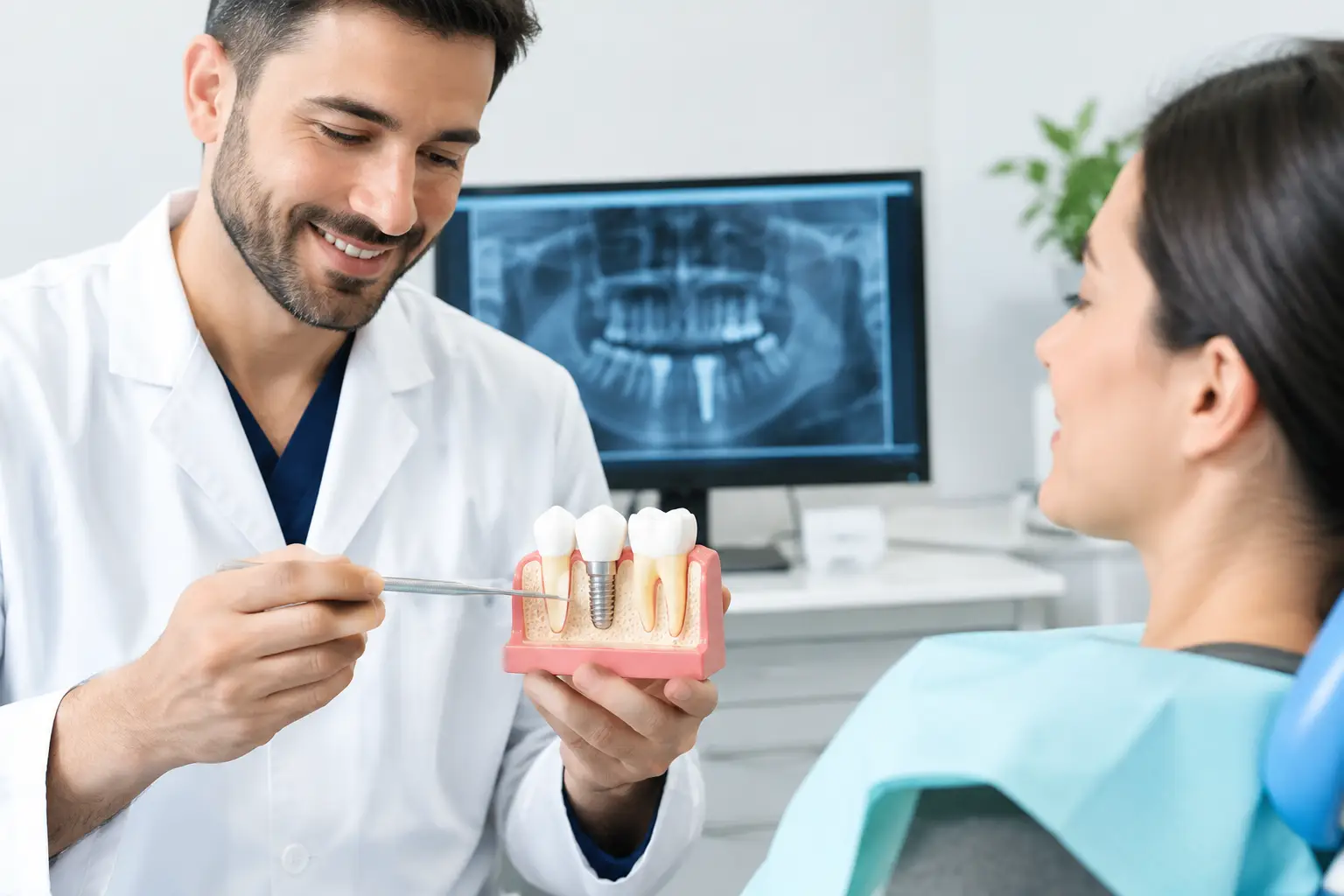
Dental implant treatment starts well before the surgical appointment. The first stage is a consultation and detailed examination, where your dentist assesses your teeth, gums, bite and jawbone. X-rays and, where appropriate, 3D imaging help show the exact amount and shape of bone available, as well as the position of important structures such as nerves and sinus spaces.
This planning stage is essential. An implant needs to be placed at the right angle and depth to support the final restoration properly, not simply fitted into the gap. Your dentist will also discuss your medical history, current medication, smoking habits and expectations for the appearance of the finished tooth.
If an implant is suitable, you will receive a personalised treatment plan. This sets out the expected stages, timescale and costs, along with any preparatory treatment required. For patients in St Albans and Hertfordshire considering a long-term alternative to a denture or bridge, this consultation is the opportunity to ask practical questions about healing, work commitments and the result they hope to achieve.
Preparing the mouth for treatment
Sometimes implant placement can go ahead soon after a tooth is removed. In other situations, it is better to allow the extraction site to heal first. The right approach depends on the health of the surrounding gum, the presence of infection, the quality of bone and the position of the tooth.
Where bone has reduced after a tooth has been missing for some time, a bone graft may be recommended. This is a procedure that adds or encourages bone in the area so it can support an implant securely. A graft can extend the overall treatment time, but it may create a stronger basis for a predictable result.
Healthy gums are equally important. Gum disease needs to be brought under control before implant treatment, as ongoing inflammation can compromise the tissues supporting the implant. Good daily cleaning and regular hygiene care form part of protecting the investment you make in your new tooth.
Placing the implant
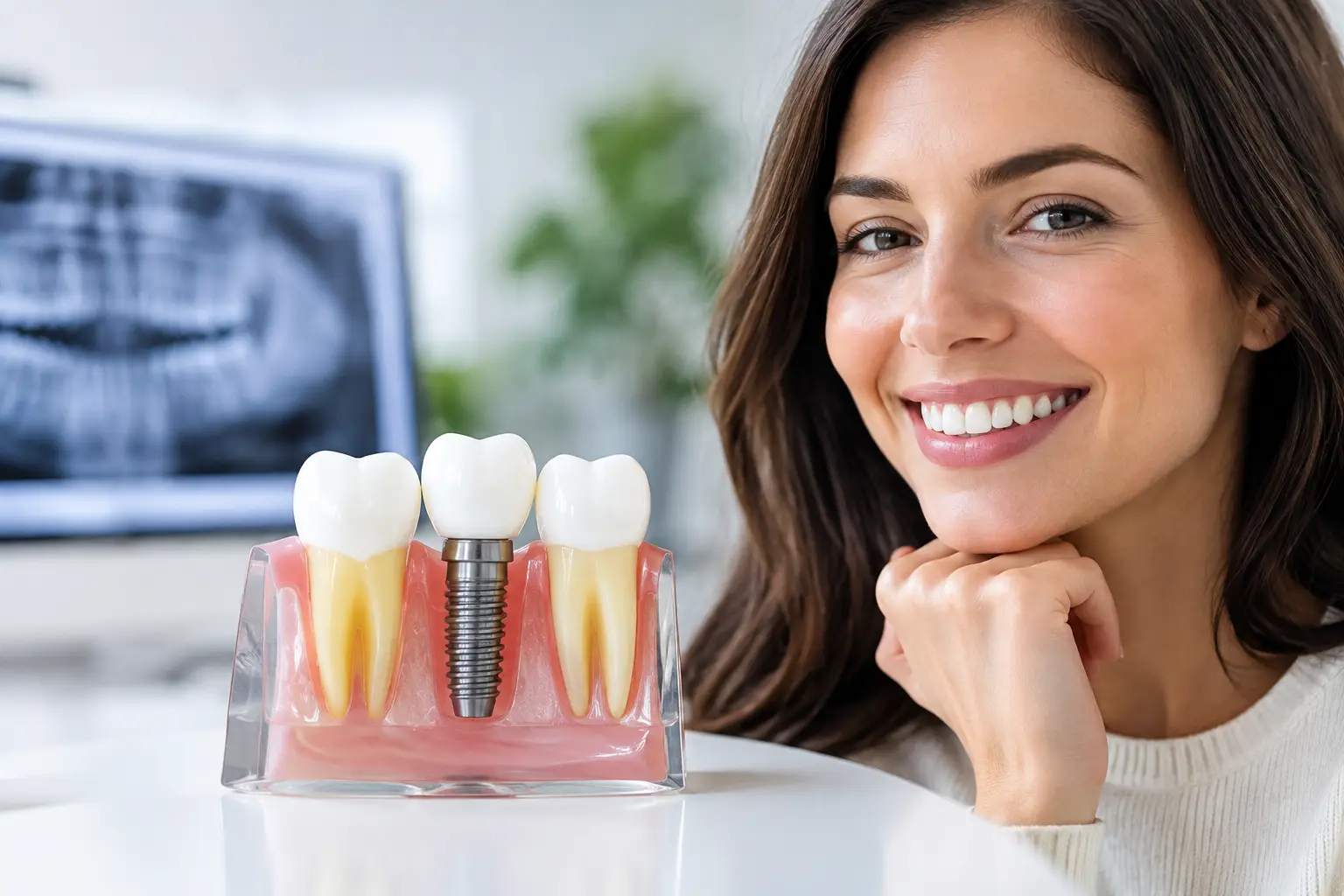
The implant itself is a small, medical-grade titanium post. Titanium is widely used because the body can form a close bond with it. During surgery, the dentist makes a small opening in the gum, prepares a precise space in the jawbone and places the implant.
The procedure is usually carried out under local anaesthetic, so the area is numb while you remain awake. Sedation may be an option for patients who feel particularly anxious, depending on their needs and clinical suitability. Most people describe pressure and vibration during placement rather than pain.
Once the implant is in position, the gum is either closed over it to heal or fitted with a small healing component that sits above the gum line. The choice depends on the treatment plan and the stability of the implant at placement. In selected cases, a temporary tooth may be provided, particularly where a front tooth is being replaced. This is not always appropriate, as the implant must be protected while it heals.
Healing and osseointegration
After placement, the jawbone gradually heals around the implant in a process called osseointegration. Put simply, the bone grows closely against the implant surface, helping it become a secure part of the jaw. This biological process is what allows an implant to support a replacement tooth without relying on neighbouring teeth.
Healing times vary. Many patients need a period of around three to six months before the final crown is fitted, although the exact timeframe depends on the location of the implant, bone quality, whether grafting was needed and how well the site is healing. The upper jaw can sometimes take longer than the lower jaw because its bone is often less dense.
Some tenderness, minor swelling and bruising are normal after surgery. These effects are usually most noticeable in the first few days and can often be managed with the pain relief advised by your dentist, a soft diet and careful cleaning. You should follow the aftercare instructions closely and contact the practice if pain or swelling worsens rather than improves.
During healing, it is sensible to avoid chewing hard foods directly on the treatment area. Smoking can significantly affect healing and raises the risk of complications, so stopping or reducing smoking is strongly advised. Attending review appointments allows your dentist to check that the gum tissue is settling well and that the implant remains stable.
Fitting the final tooth
When the implant has integrated successfully, a small connecting piece called an abutment is attached. This sits between the implant and the visible tooth. Your dentist then takes a digital or conventional impression to create a crown that fits accurately and complements the shape, shade and character of your surrounding teeth.
The final crown is commonly made from high-quality ceramic materials chosen for their strength and natural appearance. It is designed with your bite in mind, so you can chew comfortably without placing excessive force on the implant or neighbouring teeth.
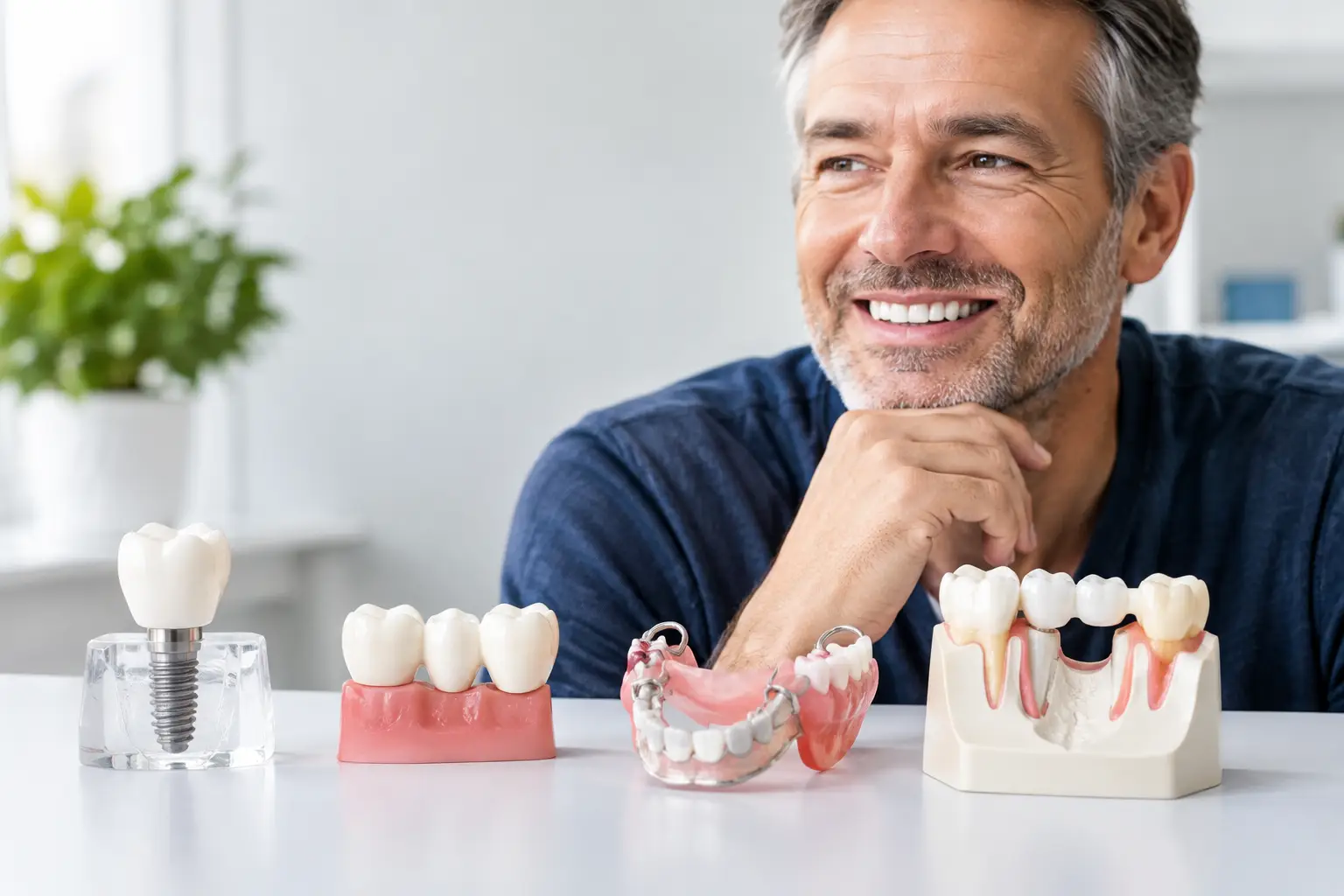
For a single missing tooth, the crown is attached to one implant. If several teeth are missing, implants may support a bridge rather than requiring an implant for every gap. For patients with extensive tooth loss, a carefully planned number of implants can support a fixed full-arch bridge or help stabilise a removable denture. The most suitable option depends on your bone, bite, budget and goals for function and appearance.
What dental implant surgery feels like in real life
It is understandable to be concerned about surgery, but many patients find the experience more straightforward than they expected. The surgical appointment itself is often shorter than people imagine, particularly for a single implant. The more significant commitment is usually the healing period and the series of planned appointments needed to produce a high-quality final result.
Dental implants are not an instant solution in every case, and that is a worthwhile trade-off to understand. Rushing the process can compromise healing or aesthetics. Taking time to plan the implant position, allow the bone to integrate and craft a well-fitting crown gives the treatment its best chance of looking and functioning naturally for years to come.
Implants also require ongoing care. They cannot develop decay as natural teeth do, but plaque can still cause inflammation around the gums and bone. Brush thoroughly twice daily, clean around the implant using the tools recommended by your dental team and attend regular examinations and hygiene appointments. If you clench or grind your teeth, a protective night guard may be advised.
Is implant treatment right for you?
Many adults with one or more missing teeth may be candidates for dental implants, including people who have worn dentures or had a bridge for years. Suitability is not determined by age alone. What matters more is your general health, gum condition, bone support and willingness to maintain the result.
There are situations where treatment needs extra care. Uncontrolled gum disease, certain medical conditions, heavy smoking or poorly managed diabetes can affect healing and implant success. This does not automatically rule treatment out, but it means your dentist will need to assess the risks carefully and may recommend steps to improve your oral or general health first.
A well-planned implant can restore the ability to eat with confidence while closing a gap in a way that is designed to blend with your natural smile. At Russell Avenue Dental & Implant Centre, the first conversation is about understanding your needs, then building a treatment plan that gives you clarity at every stage. Booking a consultation can be a helpful next step when you are ready to explore what is possible for your smile.