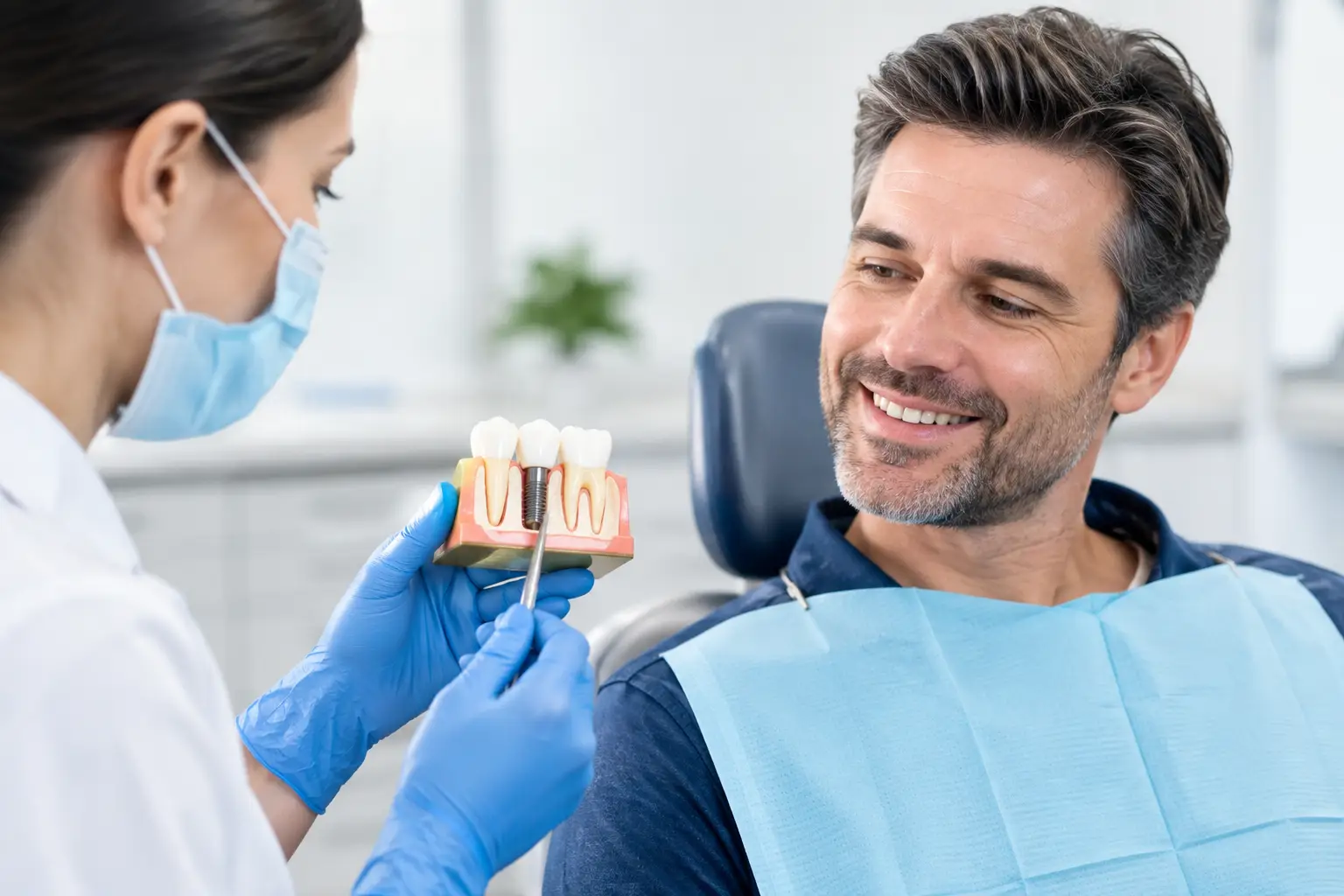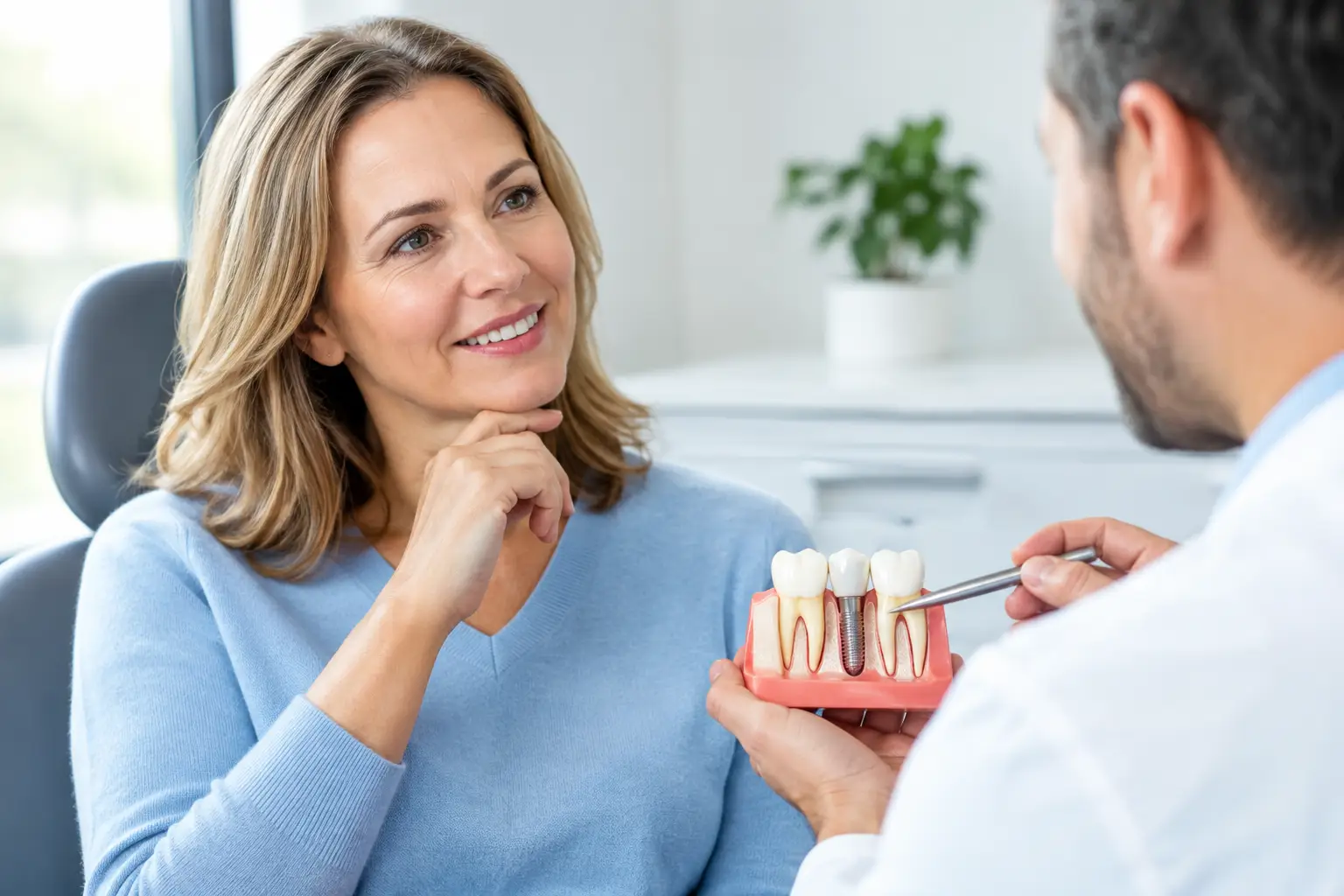
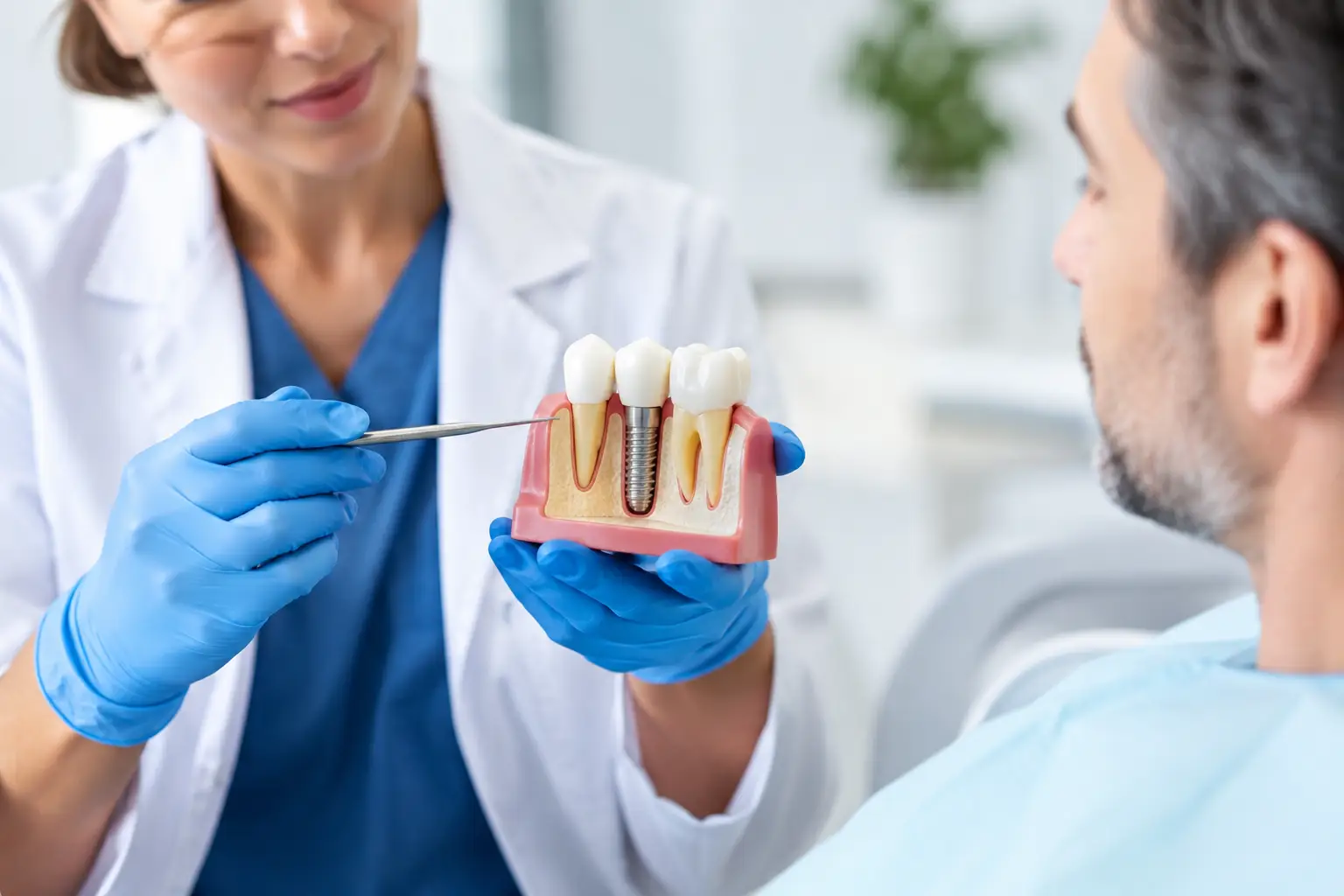
A missing tooth does more than leave a visible space. Over time, the jawbone in that area can shrink because it is no longer being stimulated by a tooth root. This is why patients often ask, do dental implants need grafting? The answer is sometimes, but certainly not always. Whether grafting is needed depends on the amount, shape and quality of bone available at the planned implant site.
Dental implants are designed to replace the root of a missing tooth, creating a stable foundation for a natural-looking crown, bridge or full-arch restoration. For an implant to be secure over the long term, it needs enough healthy bone around it. If that foundation is already present, grafting may not be necessary. If it is not, a bone graft can make implant treatment possible and help protect the quality of the final result.
Do dental implants need grafting in every case?
No. Many patients can have an implant placed without a bone graft, particularly when the tooth has been lost recently and the surrounding bone has remained healthy. The position of the tooth also matters. Some areas of the jaw naturally offer more bone than others, and each implant plan is assessed individually.
A clinician will examine your teeth and gums, assess your bite and take detailed imaging, often including a 3D scan. This allows them to measure the bone precisely and identify important structures, such as the sinus in the upper jaw or the nerve canal in the lower jaw. It also helps determine whether an implant can be placed immediately, whether grafting is advisable, or whether a different treatment sequence would be safer.
Bone quantity is only one part of the decision. Bone quality matters too. Even if there appears to be sufficient volume, the bone must be dense and healthy enough to support healing around the implant. Gum health, smoking, uncontrolled medical conditions and previous dental infection can all influence the treatment plan.
Why jawbone can be lost after tooth loss
The body continually adapts to the demands placed on it. When a tooth is removed or lost, the bone that once supported its root receives less stimulation and can gradually resorb. This process may be most noticeable during the first year after extraction, but it can continue over time.
Bone loss can also result from advanced gum disease, infection around a tooth, trauma or a difficult extraction. In the back of the upper jaw, the air-filled sinus can expand downwards after tooth loss, leaving less available bone for an implant. In other cases, a removable denture may be worn for many years while the shape of the jaw slowly changes.
This does not mean that implants are no longer an option. It simply means that treatment may need more careful planning. Grafting is not a complication or a sign that something has gone wrong. It is a well-established way of rebuilding or preserving the foundation needed for a secure tooth replacement.
What does a bone graft involve?
A bone graft adds material to an area where more bone is needed. The material acts as a framework that supports your body as it develops new bone. Depending on the clinical situation, the graft may be made from processed donor material, animal-derived mineral or synthetic material. Your dentist will explain the recommended option and why it is suitable for your treatment.
For smaller defects, grafting may be carried out at the same appointment as implant placement. This can be helpful where there is enough bone to stabilise the implant initially, but a small area needs added support. In other situations, the graft needs time to heal before an implant can be placed. This staged approach can take longer, but it may offer the most predictable route where bone loss is more significant.
The procedure is usually completed under local anaesthetic. Many patients describe manageable tenderness or swelling for a few days afterwards, rather than significant pain. You may be advised to follow a softer diet temporarily, keep the area clean as instructed and avoid smoking, which can interfere with healing.
Socket preservation after an extraction
Sometimes, the most useful graft is one carried out when a tooth is removed. This is called socket preservation. Graft material is placed into the empty tooth socket to reduce the amount of bone shrinkage during healing.
Socket preservation does not guarantee that no further grafting will ever be needed, but it can preserve valuable bone and may simplify a future implant plan. It is worth discussing if you have a tooth that cannot be saved but are considering an implant later.
Sinus lift grafting
For implants in the upper back jaw, a sinus lift may be recommended when the sinus sits close to the jawbone. During this procedure, the sinus lining is carefully raised and graft material is placed beneath it to create enough depth for an implant.
A sinus lift can sound daunting, but it is a routine part of implant dentistry when clinically indicated. As with any surgical treatment, the suitability, risks, healing period and alternatives should be discussed fully before you decide to proceed.
How long does grafting add to implant treatment?
The honest answer is that it depends on the size and type of graft, your healing response and the stability of the implant site. A small graft completed alongside implant placement may not add much time to the overall process. A larger graft may need several months to integrate before the implant is placed, followed by further healing before the final crown is fitted.
This can feel like a long route to a replacement tooth, especially if the gap affects your smile or confidence. However, rushing an implant into insufficient bone can compromise the outcome. A well-planned timeline is designed to give the implant the best conditions for long-term stability, appearance and function.
Where appropriate, a temporary tooth can be provided while treatment progresses. The options vary according to the position of the missing tooth, your bite and the treatment being carried out. Your dentist can explain what is realistic for your circumstances.
Are there alternatives to grafting?
In selected cases, an implant can be placed at an angle to use the bone that is available, or a shorter or narrower implant may be considered. These approaches can avoid grafting for some patients, but they are not automatically the better choice. Implant position must still allow for a crown that looks natural, is easy to clean and works comfortably with your bite.
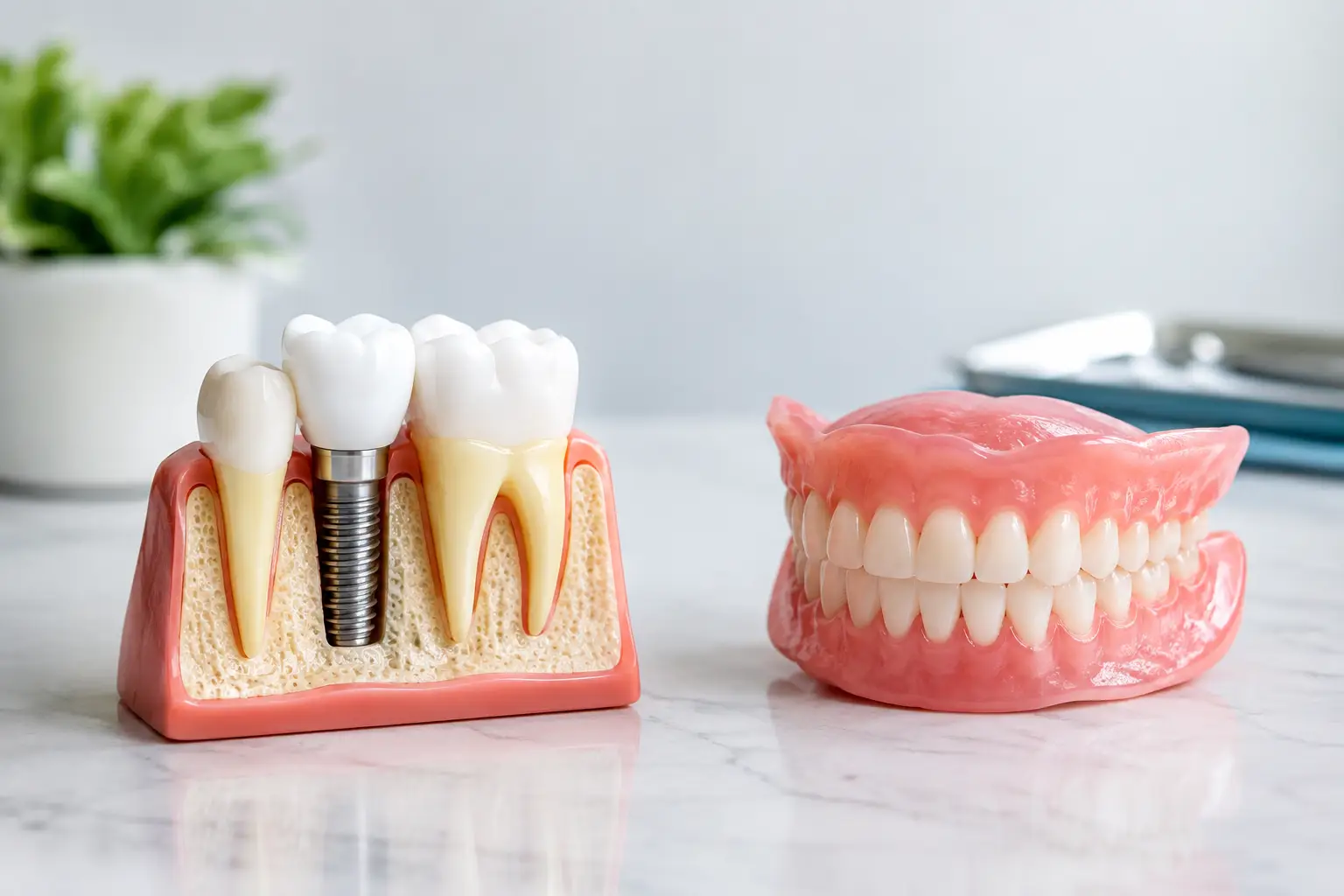
A conventional bridge or removable denture may also replace a missing tooth without grafting. A bridge can be an effective solution, particularly where adjacent teeth already need crowns, while a denture can restore appearance and basic function. Neither option, however, replaces a tooth root within the jawbone in the same way as an implant.
The best option should not be chosen on the basis of treatment time alone. It should take account of your oral health, the condition of nearby teeth, your goals for appearance and function, and what feels manageable for you.
The value of a personalised implant assessment
Online information can explain why grafting might be needed, but it cannot tell you whether it is needed in your mouth. That decision relies on a clinical examination and appropriate imaging. At Russell Avenue Dental & Implant Centre, implant consultations are focused on understanding the condition of the bone and gums, as well as the result you want from treatment.
A clear assessment should include an explanation of whether grafting is necessary, whether it can be done at the same time as the implant and how it affects the expected timescale and fees. You should also have the opportunity to ask about the alternatives. There is no benefit in presenting grafting as routine when it is not required, or in avoiding it when it would improve the predictability of treatment.
If a missing tooth is affecting how you eat, speak or smile, arranging an implant consultation is a practical first step. With the right assessment, you can make a decision based on your own bone, your own goals and a plan designed for a healthy, confident result.