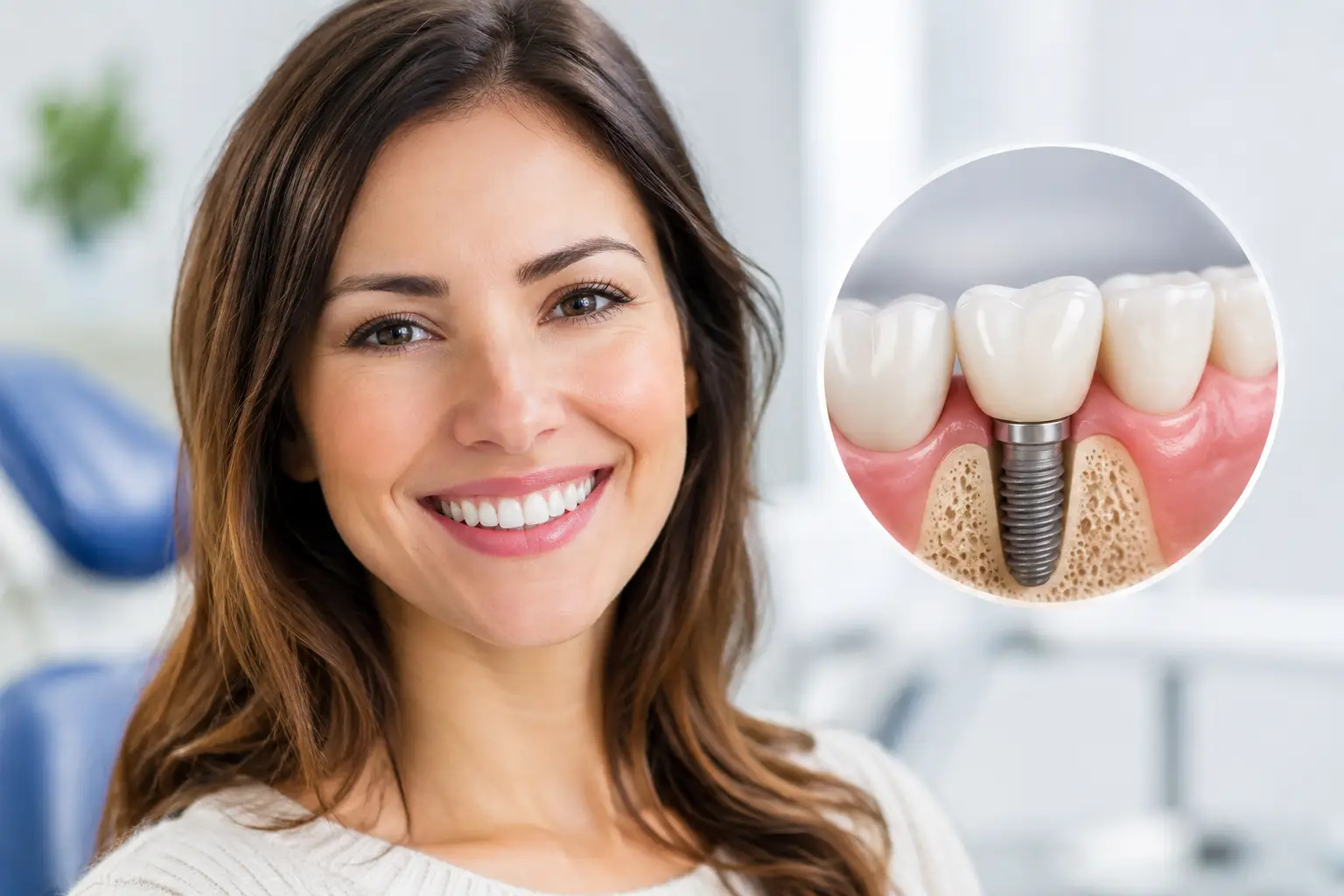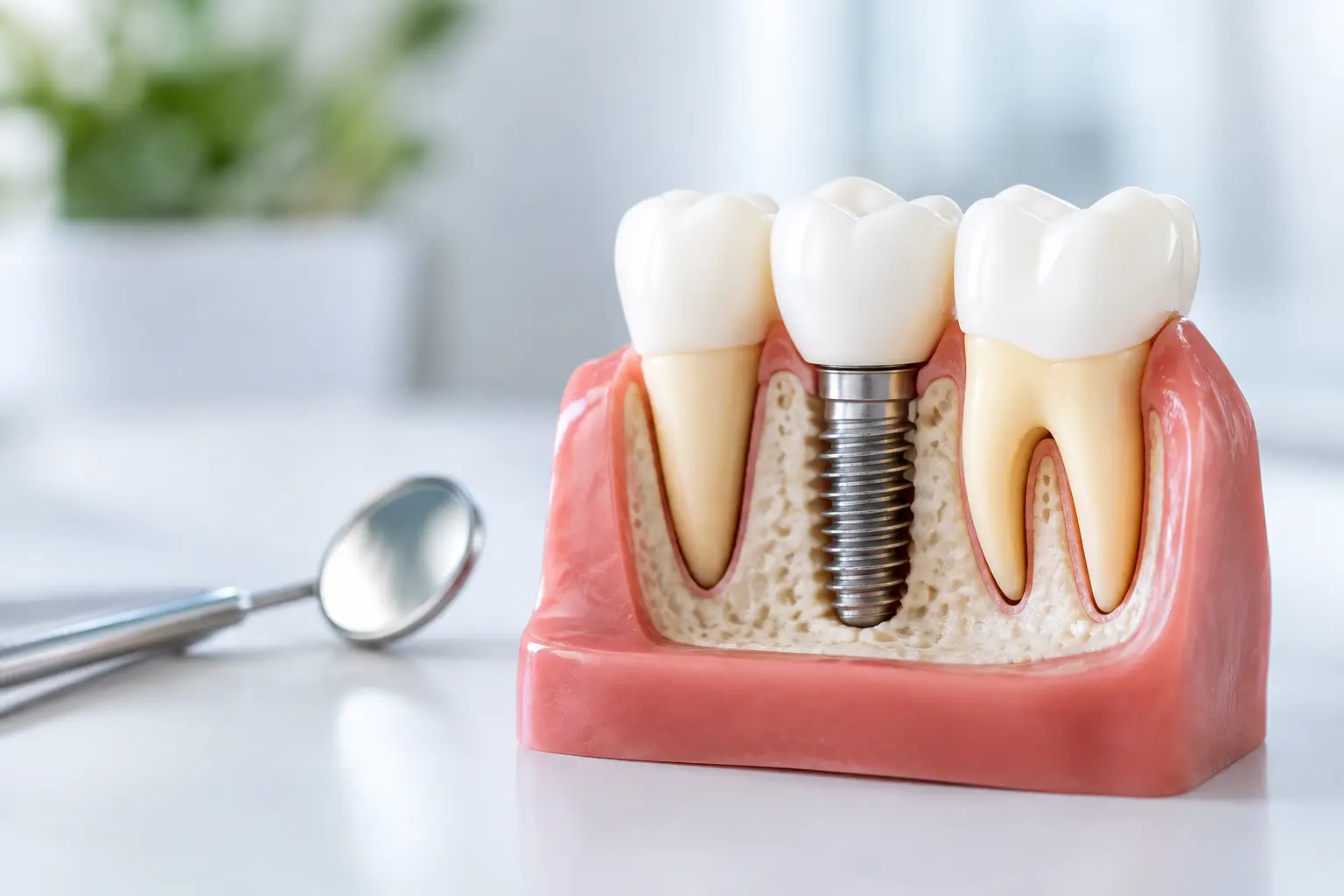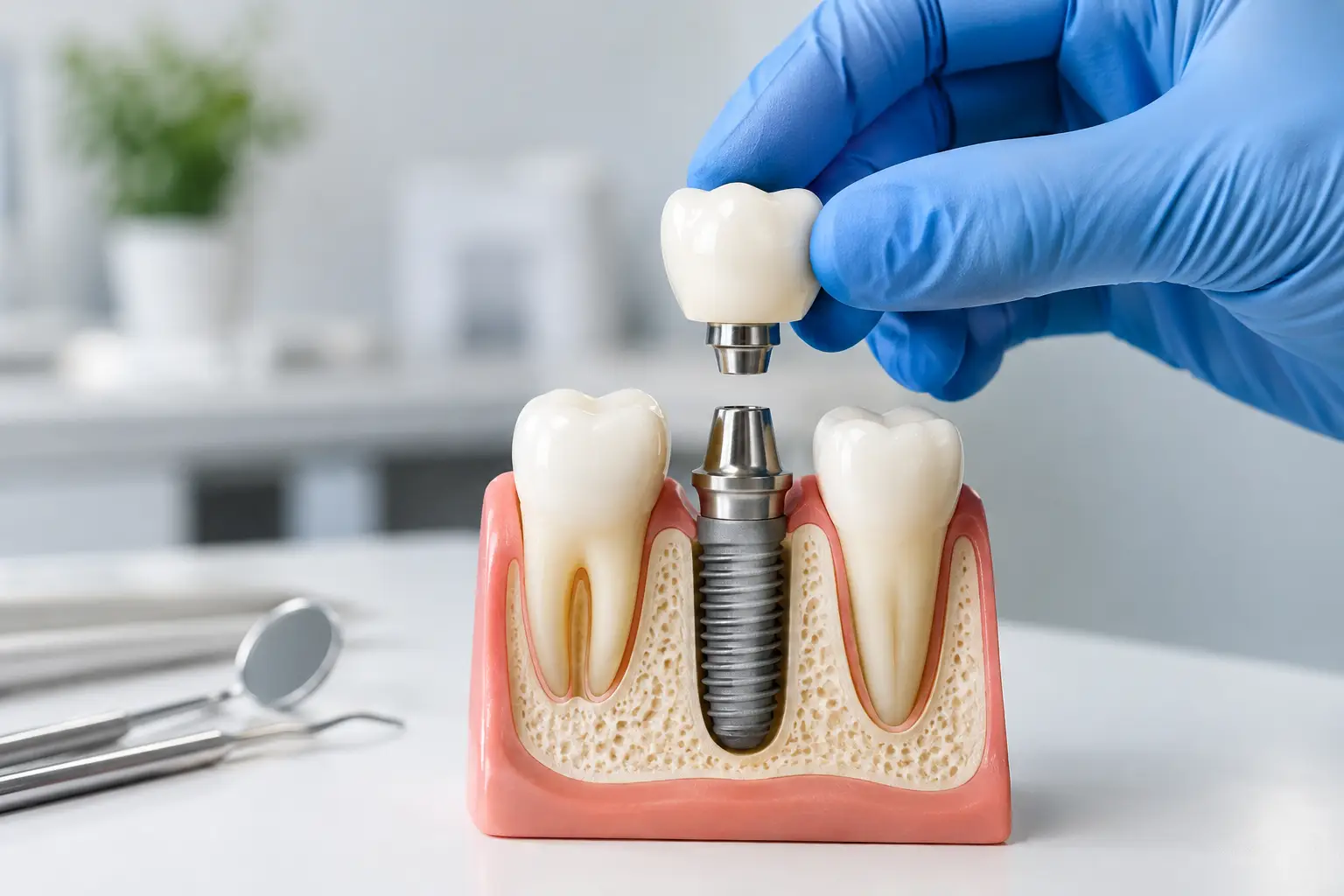
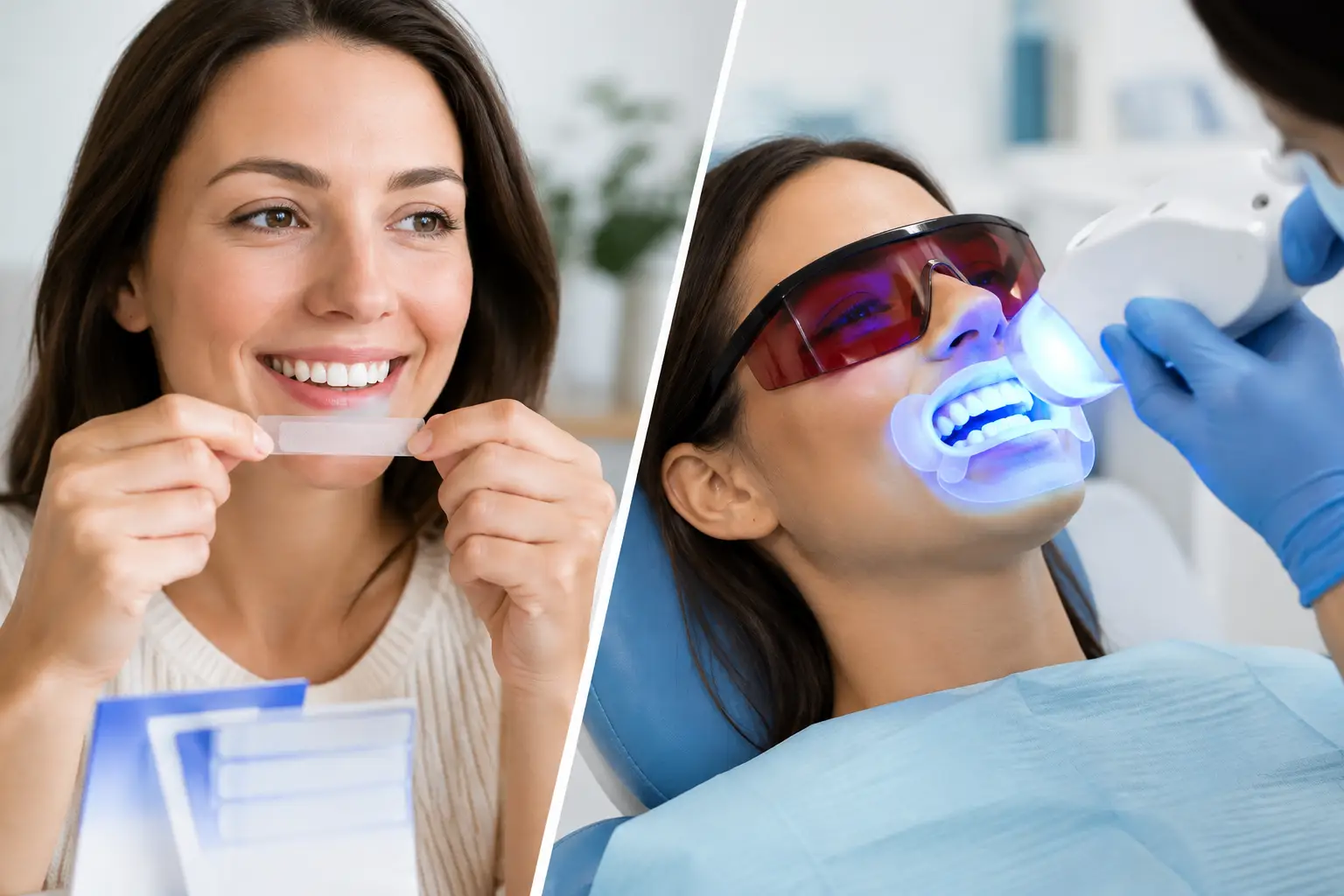
A brighter smile can make a real difference to how you feel in photographs, meetings and everyday conversations. Yet the choice between whitening strips versus dentist whitening is not simply a question of convenience or price. The treatment that gives the best result is the one that suits your teeth, gums, existing dental work and expectations.
Over-the-counter strips may appear to offer a quick route to a whiter smile, while professional whitening involves an examination, tailored treatment and clinical supervision. Both options have a place in the wider conversation about tooth colour, but they do not deliver the same experience or level of control.
Whitening strips versus dentist whitening: the main difference
Whitening strips are thin, flexible pieces of plastic coated with a whitening gel. They are applied directly to the front surfaces of the teeth for a set period each day. Their appeal is understandable: they are readily available, relatively inexpensive and can be used at home without an appointment.
Dentist-led whitening starts differently. Before whitening is prescribed, your dentist examines your teeth and gums to check that the mouth is healthy and to identify anything that could affect the result, such as tooth decay, leaking fillings, gum disease, exposed roots or staining caused by a particular dental issue. If whitening is appropriate, the treatment is planned around your smile.
For many patients, this means custom-made whitening trays and professional whitening gel to use at home over an agreed period. Some patients may also be suitable for an in-practice whitening appointment. The right approach depends on your starting shade, sensitivity, lifestyle and the change you hope to achieve.
Why professional assessment matters
Tooth whitening works by lightening the natural tooth structure. It does not clean away every type of stain, and it cannot change the colour of crowns, veneers, composite bonding or fillings. This is an especially important consideration if you have visible restorations on front teeth. Whitening natural teeth without planning for existing dental work can leave a mismatch in colour.
A clinical assessment also helps distinguish between surface staining and a change in tooth colour that needs further investigation. Tea, coffee, red wine, tobacco and strongly coloured foods can contribute to staining over time. However, a single tooth that has become darker than the teeth around it may need a dental examination rather than a cosmetic product.
At Russell Avenue Dental & Implant Centre in St Albans, whitening can be considered as part of a broader smile plan. For example, a patient planning composite bonding or veneers may choose to whiten first, allowing new restorations to be matched to a brighter, more natural-looking shade.
How results compare
Whitening strips can improve mild surface staining for some people, particularly where teeth are generally healthy and evenly coloured. Their limitations are largely practical. Strips are made to a standard shape, so they may not sit closely against every tooth. The gel may not reach the edges of the teeth evenly, and it can be difficult to whiten teeth that are slightly rotated, unevenly shaped or positioned behind one another.
Custom trays are made from impressions or digital scans of your own teeth. This helps hold the whitening gel in closer contact with the enamel and supports more even coverage across the visible smile. Professional treatment is also designed to be adjusted. If sensitivity develops, your dentist can advise on changes to wear time, frequency or the concentration used.
Results vary with the natural shade and condition of the teeth. Yellow-toned teeth often respond well to whitening, while grey-toned discolouration, internal staining and marks caused by certain medications may respond less predictably. A responsible dentist will discuss what is realistic rather than promising a particular shade.
Safety, sensitivity and the legal position
Sensitivity is one of the most common side effects of any whitening treatment. It may feel like brief sharp sensations in the teeth, often when drinking something cold. Gum irritation can also occur if whitening gel comes into contact with soft tissues.
With strips, there is less opportunity to tailor the fit or respond to sensitivity before it becomes uncomfortable. Patients may be tempted to use a product more often or leave it on for longer in pursuit of faster results. That can increase irritation without necessarily improving the outcome.
With dentist-supervised whitening, sensitivity is anticipated and managed as part of the treatment plan. Your dentist can recommend a slower schedule, a suitable toothpaste for sensitive teeth or a pause in treatment where needed. Just as importantly, whitening is not started on teeth that require treatment first.
In the UK, teeth whitening is regulated. Products containing or releasing more than 0.1% and up to 6% hydrogen peroxide can only be supplied by a dentist following a clinical examination and used under their supervision. Whitening is also not permitted for anyone under 18 for cosmetic purposes. Products bought online may not always be what they claim to be, which makes professional guidance particularly valuable.
Cost: looking beyond the initial price
Whitening strips usually cost less at the outset. For someone with very mild staining and modest expectations, that lower price may be appealing. However, value is not just about the amount paid for the pack. It also includes the predictability of the result, whether the product fits well, the risk of uneven whitening and what happens if sensitivity or gum irritation occurs.
Professional whitening costs more because it includes clinical assessment, prescribed whitening products, bespoke trays where appropriate and advice throughout treatment. The trays can often be retained for future top-up whitening, provided your dentist confirms that this remains suitable. That can make professionally supervised whitening a more useful long-term option for patients who want to maintain their result carefully.
It is also worth considering the cost of correcting a disappointing result. Uneven whitening around old fillings, irritated gums or a shade mismatch with crowns may require further dental care. Starting with the right assessment can prevent avoidable compromise.
Which option may suit you?
Whitening strips may be a reasonable choice for an adult with healthy teeth, minimal staining, no visible restorations and an understanding that the improvement may be subtle. They are not a substitute for a dental check-up, particularly if you have not seen a dentist recently or notice pain, bleeding gums or a darkened tooth.
Dentist whitening is often the stronger choice if you want a more controlled and even result, have sensitive teeth, have had cosmetic or restorative dental work, or are considering further treatment such as bonding or veneers. It is also preferable if you have tried shop-bought whitening products without achieving the change you wanted.
Patients with crowns, veneers, bridges, composite bonding or implants should be particularly careful about planning. These materials will not whiten in the same way as natural enamel. A dentist can explain whether whitening the surrounding teeth first, replacing an old restoration, or choosing another cosmetic treatment would create the most balanced result.
Preparing for whitening and maintaining your shade
Good oral hygiene supports any whitening treatment. Brushing twice daily with fluoride toothpaste, cleaning between the teeth and attending regular dental examinations and hygiene appointments all help keep the smile healthy. A professional clean may remove surface deposits and give a clearer view of your natural starting shade, although cleaning alone does not alter the intrinsic colour of teeth.
During and shortly after whitening, limiting strongly coloured drinks and foods can help reduce fresh staining. If tea or coffee is part of your daily routine, you do not necessarily have to give it up completely, but rinsing with water afterwards and avoiding prolonged sipping can be helpful. Smoking and tobacco use can also quickly dull a newly whitened smile.
The most satisfying whitening results tend to look refreshed rather than artificial. The aim is not always the brightest possible shade. It is a healthy-looking colour that complements your complexion, restorations and the character of your smile.
A consultation gives you space to discuss what you would like to change, what is clinically suitable and how to achieve a result that still looks like you – only brighter and more confident.