For many people considering a permanent replacement for a missing tooth, one question comes before all others: are dental implants painful? It is a reasonable concern. Implant treatment involves a small surgical procedure, but patients are often surprised by how manageable it feels when it is carefully planned, fully numbed and supported by clear aftercare.
The short answer is that you should not feel pain while an implant is being placed. You will normally be awake, with the area made numb using local anaesthetic, much like it would be for other dental treatment. Afterwards, some tenderness, swelling and bruising are possible as the mouth heals, but this is usually temporary and can often be controlled with appropriate pain relief and practical aftercare.
Are dental implants painful during treatment?
Dental implant placement is performed under local anaesthetic. Before treatment begins, your dentist will ensure the gum and surrounding tissues are completely numb. You may feel the initial brief sensation of the anaesthetic injection, followed by pressure or vibration during the procedure, but you should not feel sharp pain.
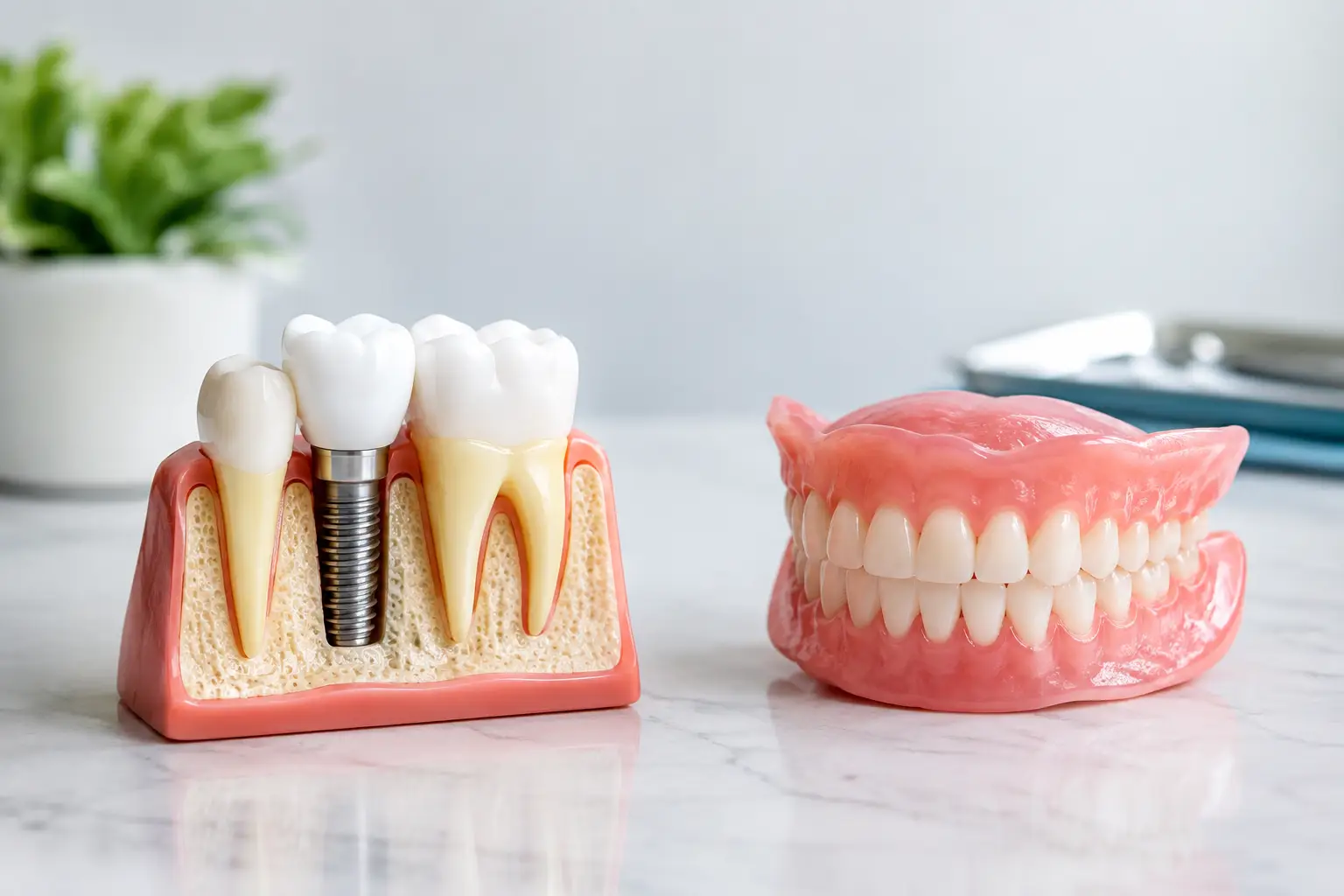
Many patients find the prospect of treatment more daunting than the appointment itself. The implant is placed into the jawbone through the gum, then allowed time to integrate with the bone. This creates the secure foundation needed to support a replacement tooth, bridge or full-arch restoration. Although it sounds significant, the procedure is precise and planned around your individual anatomy, bone level and oral health.
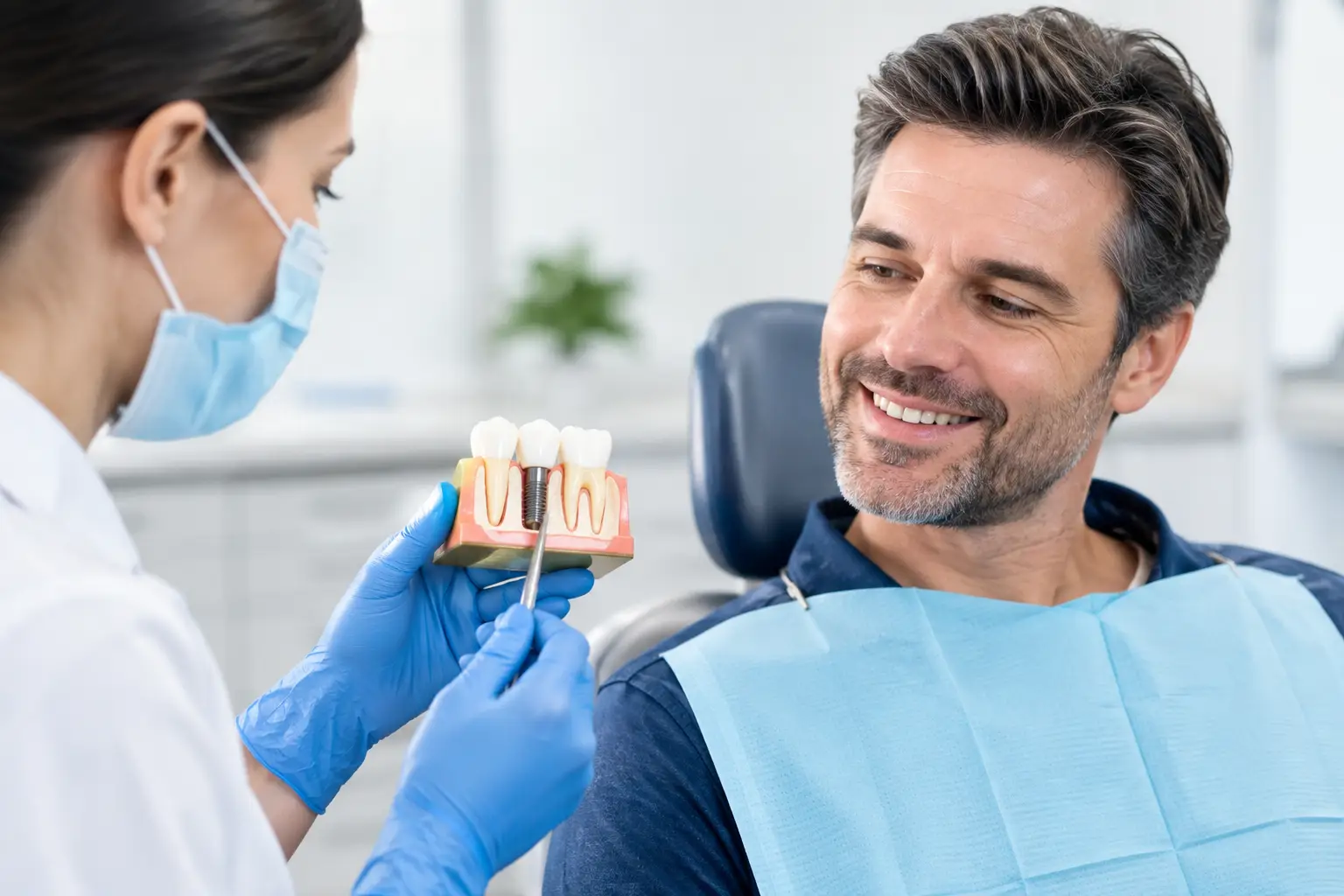
If you feel anxious about dental treatment, say so at your consultation. Feeling informed can make a genuine difference, and your dentist can talk you through what will happen, how long your appointment is likely to take and the options that may help you feel more at ease. Treatment should never feel rushed or unexplained.
What does dental implant recovery feel like?
It is normal to experience some discomfort once the anaesthetic wears off. Most patients describe it as soreness rather than severe pain, particularly over the first few days. The gum around the implant site may feel tender, and mild swelling or bruising can occur. This is the body’s natural healing response rather than a sign that anything is wrong.
Recovery varies. Replacing a single tooth with an implant can be relatively straightforward, while treatment involving several implants, bone grafting, sinus augmentation or extractions at the same appointment may require a little more recovery time. Your overall health, the condition of the gums and jawbone, and how closely aftercare guidance is followed can also affect how you feel.
Any discomfort is usually at its most noticeable within the first 48 to 72 hours and then gradually improves. Your dentist may recommend suitable over-the-counter pain relief, provided it is safe for you to take. Always follow the instructions you are given and do not stop or change prescribed medication without speaking to the clinician responsible for your care.
Simple steps that support a comfortable recovery
Good aftercare helps protect the implant site and keeps recovery as comfortable as possible. For the first day or two, choose softer foods, avoid chewing directly on the treated area and allow hot drinks and food to cool slightly. Take things gently rather than returning immediately to strenuous exercise.
Keeping your mouth clean remains essential, but it needs a careful approach while the area heals. You may be advised to use a particular mouthwash or to brush around the site gently. Smoking can compromise healing and reduce the long-term success of implants, so stopping or avoiding smoking is strongly recommended.
A cool pack held against the outside of the face can help with swelling in the early stages. Rest, hydration and following your individual written instructions are often more valuable than trying to manage recovery from general advice online. Every treatment plan is different.
When discomfort needs a call to the practice
Mild soreness that steadily improves is expected. Pain that becomes more severe after several days, swelling that is increasing rather than settling, persistent bleeding, a bad taste, fever or feeling unwell should be discussed with your dental practice promptly. These symptoms do not automatically mean there is a serious problem, but they should be assessed.
Long-term, a healed implant should not hurt. Dental implants are designed to function like a natural tooth root, providing a stable base for your final restoration. If an implant or the surrounding gum becomes painful months or years later, it is important to arrange an examination rather than ignore it. Early assessment can help identify issues such as inflammation around the implant, bite pressure or another dental concern.
Does getting an implant hurt more than having a tooth removed?
This depends on the tooth, the extraction and the complexity of implant treatment. Some patients report that implant placement is more comfortable than they expected, and occasionally easier to recover from than a difficult tooth extraction. An extraction often involves an existing problem, such as infection, inflammation or a fractured tooth, which may already be causing pain before treatment begins.
Implant treatment is usually planned in advance. Detailed assessment allows the dentist to consider the position of nearby teeth, bone availability, the bite and the appearance of the final result. This preparation is not simply about placing an implant successfully. It is about creating a restoration that feels comfortable, supports everyday eating and speaking, and looks natural within your smile.
There are occasions when an implant cannot be placed immediately after a tooth is removed. The site may need time to heal, or additional treatment may be advised to build and preserve the bone. While this can make the overall process longer, it may lead to a more predictable and attractive result.
Why a consultation matters before implant treatment
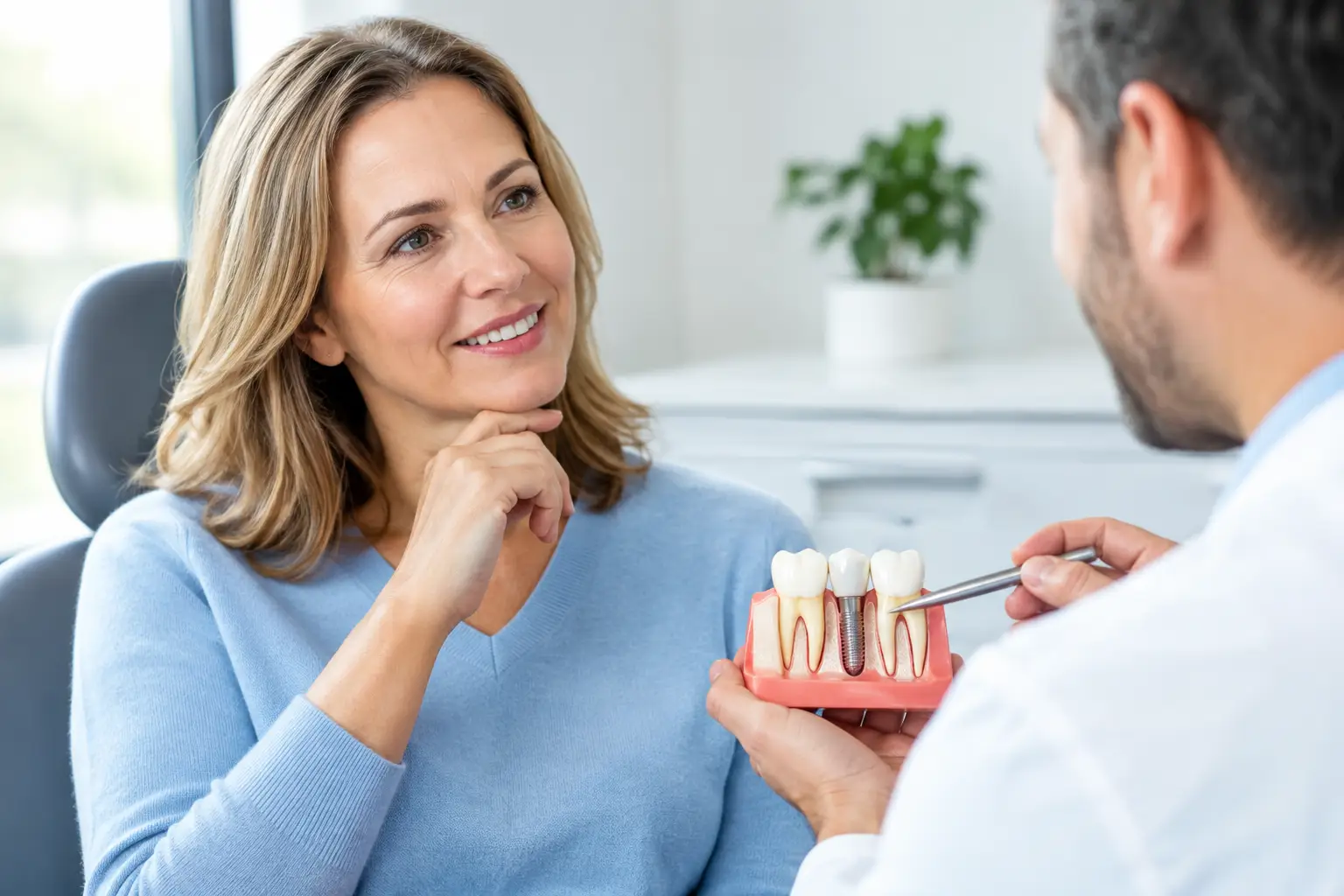
No two missing-tooth cases are identical. A consultation is the point at which concerns about pain, timing, cost, healing and the final appearance can be discussed openly. Your dentist will assess your teeth and gums, review your medical history and explain whether implants are suitable for you. Scans or X-rays may be used to plan treatment accurately.
At Russell Avenue Dental & Implant Centre, implant planning is personalised because the right approach depends on far more than the gap itself. The aim is to restore reliable function while considering the contours of the gum, the shade and shape of the final tooth, and how your new restoration will sit alongside your natural teeth.
For some people, an implant is the most appropriate long-term option. For others, a bridge or removable solution may be more suitable because of oral health, bone levels, medical considerations or personal preferences. A good recommendation should be based on your needs, not a one-size-fits-all answer.
If fear of pain has delayed replacing a missing tooth, a calm consultation is a sensible first step. You do not need to commit to treatment simply by asking questions. Understanding what is involved can replace assumptions with a clear, manageable plan for restoring your smile.