
A dental implant is designed to be a long-term replacement for a missing tooth, not a short-term cosmetic fix. Understandably, one of the first questions patients ask is how long dental implants last. While no dentist can promise an identical outcome for every person, a well-planned implant that is cared for properly can serve you for many years – and often for decades.
The most useful answer is that different parts of an implant restoration have different expected lifespans. The implant itself, placed in the jawbone, may last for life. The visible crown attached to it is exposed to everyday chewing forces and may need replacing sooner. Knowing the distinction helps you plan with confidence and make sensible decisions about your long-term oral health.
How long dental implants last in practice
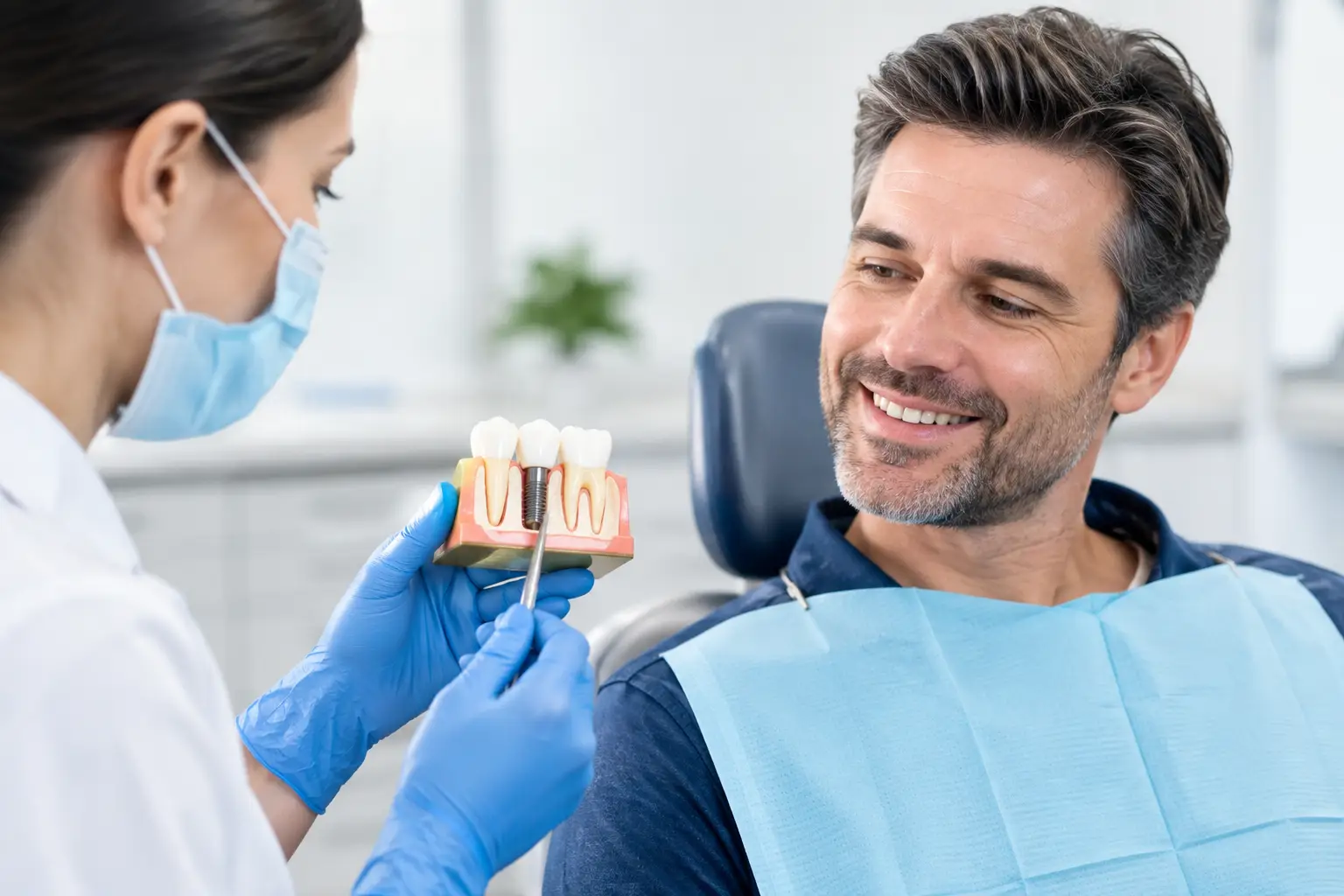
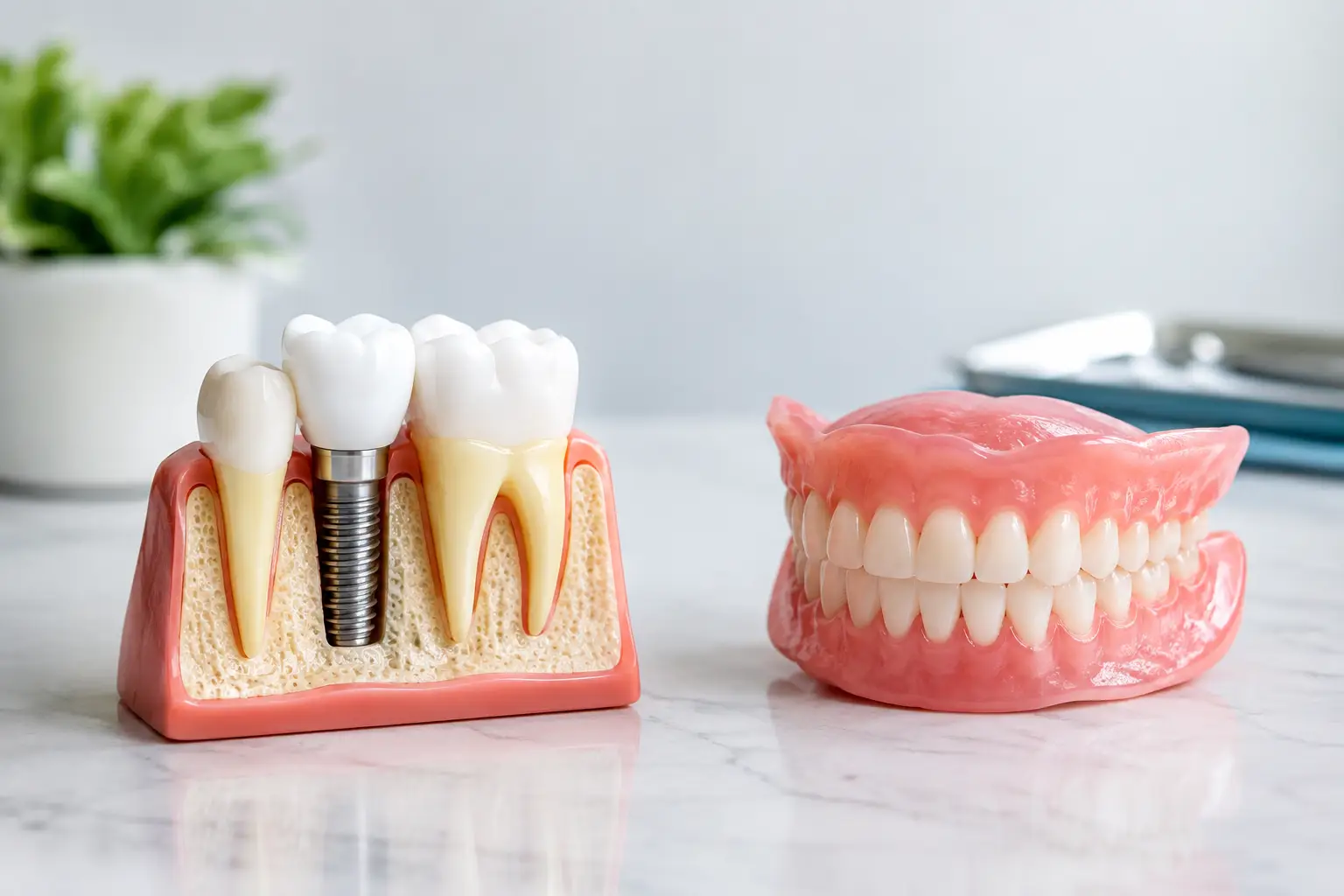
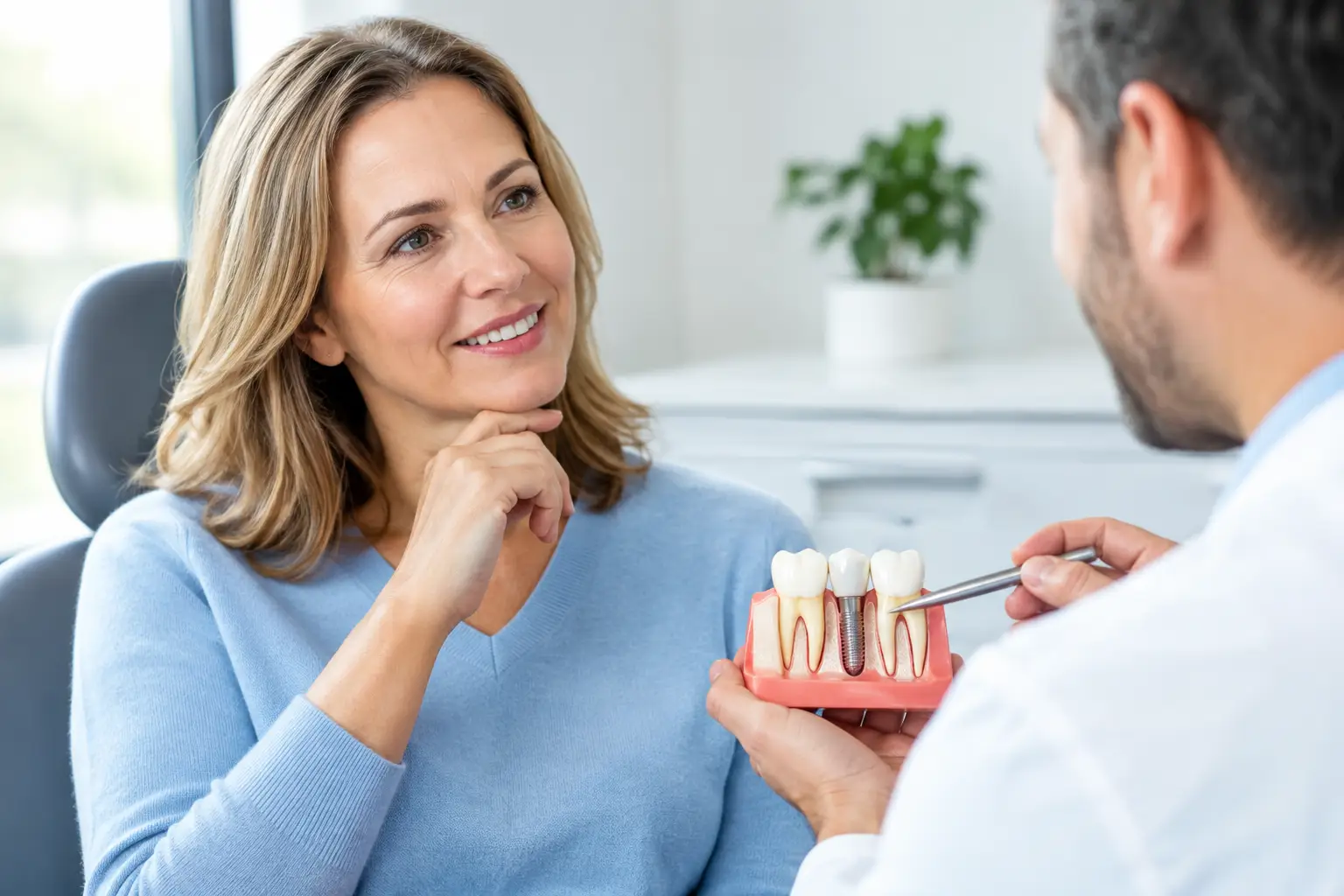
A dental implant is a small titanium fixture placed into the jawbone to act as an artificial tooth root. Over time, the bone heals around it in a process called osseointegration, creating a stable foundation for a replacement tooth.
When an implant integrates successfully and the surrounding gum and bone remain healthy, it can last several decades. Many patients retain the implant for life. The crown, bridge or denture fixed to the implant is more likely to require maintenance or replacement, often after around 10 to 15 years. Some restorations last longer, while others may need attention earlier because of wear, biting forces or changes in the mouth.
This is one reason implants can be an appealing option for people who want a fixed, natural-looking replacement for a missing tooth. They are designed to restore day-to-day function as well as the appearance of your smile, allowing you to speak, eat and smile with greater assurance.
The implant and crown are not the same thing
It helps to think of implant treatment as two connected parts. The implant sits below the gum line in the jawbone. The restoration above it is usually a custom-made crown, although several teeth may be replaced with an implant-supported bridge or a full-arch solution.
The implant fixture is protected from the direct friction of eating and brushing, which is why it can have such a long lifespan. The crown, by contrast, experiences the same pressures as a natural tooth. Porcelain can be highly durable, but it can still chip, wear or become less well matched to neighbouring teeth over time.
Replacing an implant crown does not usually mean replacing the implant itself. If the implant and the tissues around it are healthy, the existing fixture can often continue to support a new crown. This is an important distinction when considering the long-term value of treatment.
What affects how long dental implants last?
Long-lasting results begin before the implant is placed. Careful assessment of your teeth, gums, bite and bone levels allows treatment to be planned around your individual needs rather than treated as a one-size-fits-all procedure.
Gum health and bone support
Healthy gums and sufficient bone are essential for an implant to remain stable. Gum disease can affect the tissues around implants just as it can affect natural teeth. Inflammation around an implant, sometimes called peri-implant disease, can lead to bone loss if it is not identified and managed early.
For patients who have experienced bone loss following tooth removal, additional procedures such as bone grafting may be considered before implant placement. This can lengthen the treatment process, but it may provide the stable foundation needed for a dependable result.
Your bite and everyday forces
Your bite matters. An implant crown needs to be designed and positioned so that it works comfortably with the teeth around it. Heavy biting forces, clenching and grinding can place added strain on the crown, connecting components and supporting bone.
If you grind your teeth at night, a custom night guard may be recommended to protect both your implant restoration and your natural teeth. This is a straightforward measure that can make a meaningful difference over time.
Smoking and general health
Smoking can affect healing and raise the risk of gum problems, making implant treatment less predictable. Stopping or reducing smoking is beneficial for your overall health as well as the long-term health of an implant.
Certain medical conditions and medications can also influence healing or gum health. This does not automatically rule out implants, but it makes a detailed consultation particularly valuable. Your dentist can review your medical history, discuss any relevant risks and advise whether implant treatment is appropriate.
Daily cleaning and professional care
Dental implants cannot develop tooth decay, but the gums and bone around them still need consistent care. Brushing twice daily, cleaning between teeth and around the implant, and attending regular dental and hygiene appointments are central to protecting your investment.
Your clinician may recommend particular interdental brushes or other cleaning aids depending on the position and shape of your restoration. The aim is not to make your routine complicated. It is to remove plaque effectively from areas that an ordinary toothbrush cannot always reach.
Can dental implants fail years later?
Dental implants have high long-term success rates, but they are not maintenance-free and no treatment is entirely without risk. Problems can occur shortly after placement if healing is disrupted, or years later if inflammation, bone loss or excessive force develops around the implant.
Early warning signs may include bleeding when brushing, swollen or tender gums, a persistent unpleasant taste, discomfort when biting, or a crown that feels loose. These symptoms do not always mean the implant has failed. A loose crown or connecting screw, for example, can often be repaired without affecting the implant itself. However, any change should be assessed promptly rather than ignored.
Regular reviews allow small concerns to be identified before they become more complex. This is especially valuable if you have had previous gum disease, smoke, have diabetes, or know that you clench or grind your teeth.
Looking after an implant for the long term
A good home-care routine is simple, consistent and tailored to your restoration. Brush carefully around the gum line twice a day using a suitable fluoride toothpaste, clean between teeth daily, and attend the recalls advised by your dental team. Your hygienist can monitor the gum tissue around the implant and remove deposits that are difficult to manage at home.
Try not to use teeth or implant crowns to open packaging, cut thread or bite hard objects. Although an implant crown is made for normal eating, it is not indestructible. If you enjoy particularly hard foods, chewing thoughtfully can help protect porcelain from unnecessary chipping.
It is also worth maintaining the health of the rest of your mouth. Treating gum inflammation, replacing failing restorations and protecting your natural teeth all support a stable bite. Implant care works best as part of a wider preventive approach, not as an isolated treatment.
Is an implant the right long-term option for you?
For many people, an implant offers a secure alternative to a removable denture or a bridge that relies on neighbouring teeth. It may help preserve jawbone in the area of the missing tooth and can be designed to blend naturally with your smile. However, the right choice depends on the number and position of missing teeth, the condition of your gums and bone, your bite, medical history and personal priorities.
A consultation-led assessment gives you the chance to discuss these factors in detail, including the likely treatment stages, costs and maintenance requirements. At Russell Avenue Dental & Implant Centre, planning is focused on creating a solution that feels comfortable, functions reliably and suits your smile for the years ahead.
The best way to protect the lifespan of a dental implant is to treat it with the same care you would give a healthy natural tooth: thoughtful planning at the start, daily cleaning at home and regular professional review throughout its life.