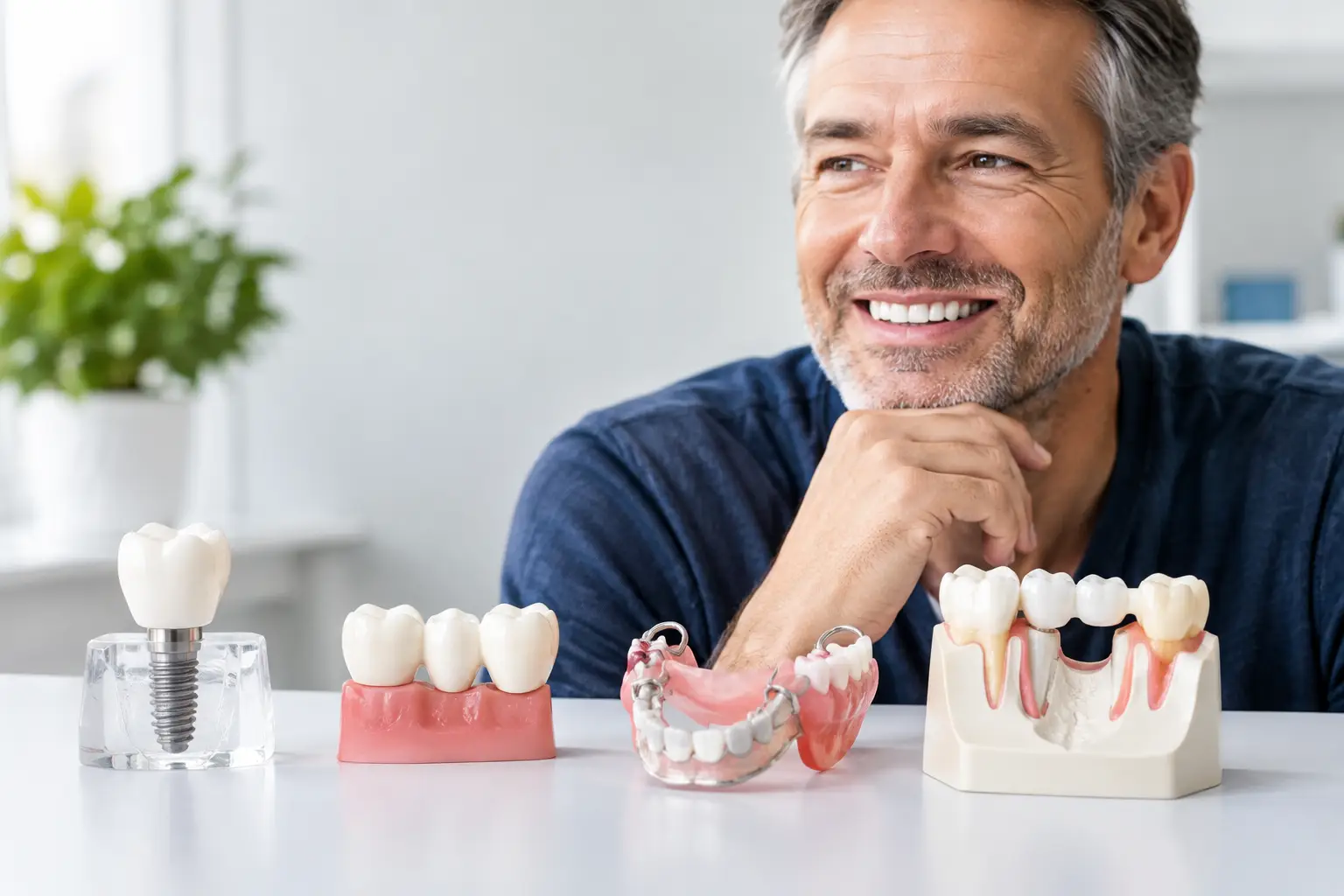

A missing tooth can affect far more than a photograph or a meal out. You may find yourself chewing on one side, avoiding certain foods or feeling conscious when you speak and smile. This guide to implant treatment timeline explains what happens from your first appointment to the fitting of your final tooth, with realistic expectations at every stage.
Dental implant treatment is carefully planned rather than rushed. For many patients, it takes several months because the implant needs time to integrate with the jawbone. That healing period is central to a stable, long-lasting result. However, every mouth is different, and a personalised assessment is the only way to confirm your likely timetable.
Your guide to implant treatment timeline
For a straightforward single-tooth replacement, treatment often takes around three to six months from consultation to final crown. Where an extraction, bone grafting or gum treatment is needed first, the overall process may take longer. In selected cases, a temporary tooth may be provided early in treatment, so you are not left with a visible gap.
The aim is not simply to fill a space. A well-planned implant should restore comfortable chewing, support the surrounding bite and provide a natural-looking tooth that suits your smile.
Stage one: consultation and treatment planning
Your first visit is an opportunity to discuss what you would like to change, how the missing tooth is affecting you and whether implants are the right option. Your dentist will assess your teeth, gums, bite and the health of the bone beneath the missing tooth. X-rays and, where appropriate, a 3D scan help build a detailed picture of the area.
This appointment also considers the wider smile. If the tooth sits in a visible position, the final crown must be planned for colour, shape and proportion as well as function. Patients considering whitening, composite bonding or veneers may benefit from discussing the order of treatment at this point. For example, whitening natural teeth before a final implant crown is made can make it easier to match the new tooth to your preferred shade.
You should leave the planning stage with a clear explanation of the proposed treatment, likely timescale, costs and any preparatory work required. There is no benefit in promising a fixed date before the clinical details are known.
Stage two: preparation, if it is needed
Some patients can proceed directly to implant placement. Others need preparatory treatment to create the right foundation. This might include treating gum disease, removing a failing tooth or allowing an extraction site to heal.
If there has been bone loss, a bone graft may be recommended. Bone can reduce after a tooth has been missing for some time, particularly where infection or periodontal disease has been present. Grafting is used to improve the volume and quality of bone available to support an implant. Depending on the technique and the area being treated, healing may add several months to the timeline.
This can sound discouraging, but it is often the most cautious route to a predictable outcome. Placing an implant before the site is ready can compromise its position, stability or appearance later on.
Implant treatment timeline: placing the implant
Once the site is ready, the implant is placed into the jawbone during a carefully planned clinical appointment. An implant is a small titanium post that acts as a replacement tooth root. Local anaesthetic is used to keep you comfortable, and many patients are pleasantly surprised by how manageable the procedure feels.
After placement, the gum is closed around or over the implant while healing begins. You may experience some tenderness, swelling or bruising for a few days. This is usually controlled with the aftercare advice and pain relief recommended by your dentist. Taking things gently, choosing softer foods initially and keeping the area clean all support comfortable healing.
The procedure itself may take one to two hours for a single implant, although the appointment length varies according to the complexity of your treatment. If you are replacing a front tooth, or if appearance is a particular concern, a temporary solution may be discussed in advance.
Stage four: healing and integration
The longest part of the process is often the least dramatic. Over the following weeks and months, the bone heals around the implant in a process called osseointegration. This is what gives an implant the secure foundation needed to support a crown, bridge or denture.
A typical healing period is around three to six months, but it can be shorter or longer depending on your bone quality, general oral health, the location of the implant and whether grafting was required. Implants in the lower jaw sometimes integrate more quickly than those in the upper jaw because the bone is often denser, but this is not a rule that applies to everyone.
Follow-up appointments allow your dentist to monitor the site and make sure healing is progressing as expected. Good daily cleaning and regular hygiene care matter throughout this stage. Smoking can increase the risk of implant complications and may affect healing, so it is sensible to discuss this openly before treatment begins.
Stage five: fitting the final tooth
When the implant has integrated successfully, your dentist will prepare for the final restoration. In some cases, a small connector called an abutment is fitted first. Digital scans or impressions are then used to design the crown, bridge or implant-supported denture.
For a single missing tooth, the final restoration is commonly a bespoke crown. It is made to complement the neighbouring teeth, taking account of shade, translucency, bite and the shape of your gumline. The final fitting appointment is not simply about attaching a tooth. Your dentist will check that it feels comfortable when you bite, looks balanced in your smile and can be cleaned properly.
Minor adjustments are sometimes needed as you get used to your new tooth. That is normal, particularly if you have been without the tooth for a long time or have adapted the way you chew.
Can implant treatment be completed more quickly?
In carefully selected cases, an implant may be placed at the same time as a tooth extraction. Sometimes a temporary tooth can also be fitted on the day. This approach can reduce the number of stages, particularly in a visible area of the smile.
It is not suitable for every patient. The condition of the extraction site, the presence of infection, the amount of available bone and the ability to achieve initial implant stability all influence the decision. A faster route is only worthwhile when it remains clinically appropriate.
There is also a difference between receiving a temporary tooth quickly and receiving a final tooth quickly. A temporary restoration protects appearance while the implant heals. The final crown is usually delayed until the dentist is satisfied that healing and integration are complete.
Looking after your implant for the long term
Once treatment is complete, an implant should be cared for as consistently as your natural teeth. Brush twice daily, clean between the teeth with the technique recommended for you and attend regular examinations and hygiene visits. Although an implant cannot decay, the gum and bone around it still need protection from inflammation.
A well-maintained implant can provide a stable, natural-looking replacement for many years. Its longevity depends on careful planning, skilled placement, healthy gums and the habits that follow treatment.
At Russell Avenue Dental & Implant Centre in St Albans, an implant consultation is the place to turn uncertainty into a clear personal plan. The right timeline is not the shortest one on paper. It is the one that gives your new tooth the best chance to feel secure, function comfortably and look at home in your smile.