
A chipped front tooth, a loose denture or a gap that makes eating difficult can feel like a straightforward problem. The right solution is not always straightforward, however. Dental treatment planning is the careful process of understanding your oral health, priorities and options before any treatment begins. It gives you a clear, sensible route towards a smile that looks good, feels comfortable and functions properly.
For patients considering implants, cosmetic dentistry or more extensive restorative care, a plan should never be a generic list of procedures. Your teeth, gums, bite, bone levels, lifestyle and expectations all influence what will deliver the safest and most satisfying result.
Why dental treatment planning comes before treatment
Good dentistry starts with diagnosis. A visible gap may suggest a dental implant, but the clinician also needs to establish why the tooth was lost, whether the surrounding gum is healthy and whether there is enough bone to support an implant securely. Treating only the visible issue can compromise the long-term outcome.
The same applies to cosmetic concerns. Teeth whitening may improve the brightness of natural enamel, while composite bonding can refine chips, edges and small gaps. Porcelain veneers may be appropriate where more significant changes to shape, colour or alignment are required. Each option has different benefits, maintenance needs and limitations. Planning avoids choosing a treatment simply because it is popular rather than because it suits your smile.
For some patients, the first stage is stabilising oral health. This could mean treating decay, addressing gum inflammation, replacing an old failing restoration or managing tooth wear before moving on to cosmetic changes. It may feel slower than going straight to the treatment you have researched, but it protects the investment you make in your smile.
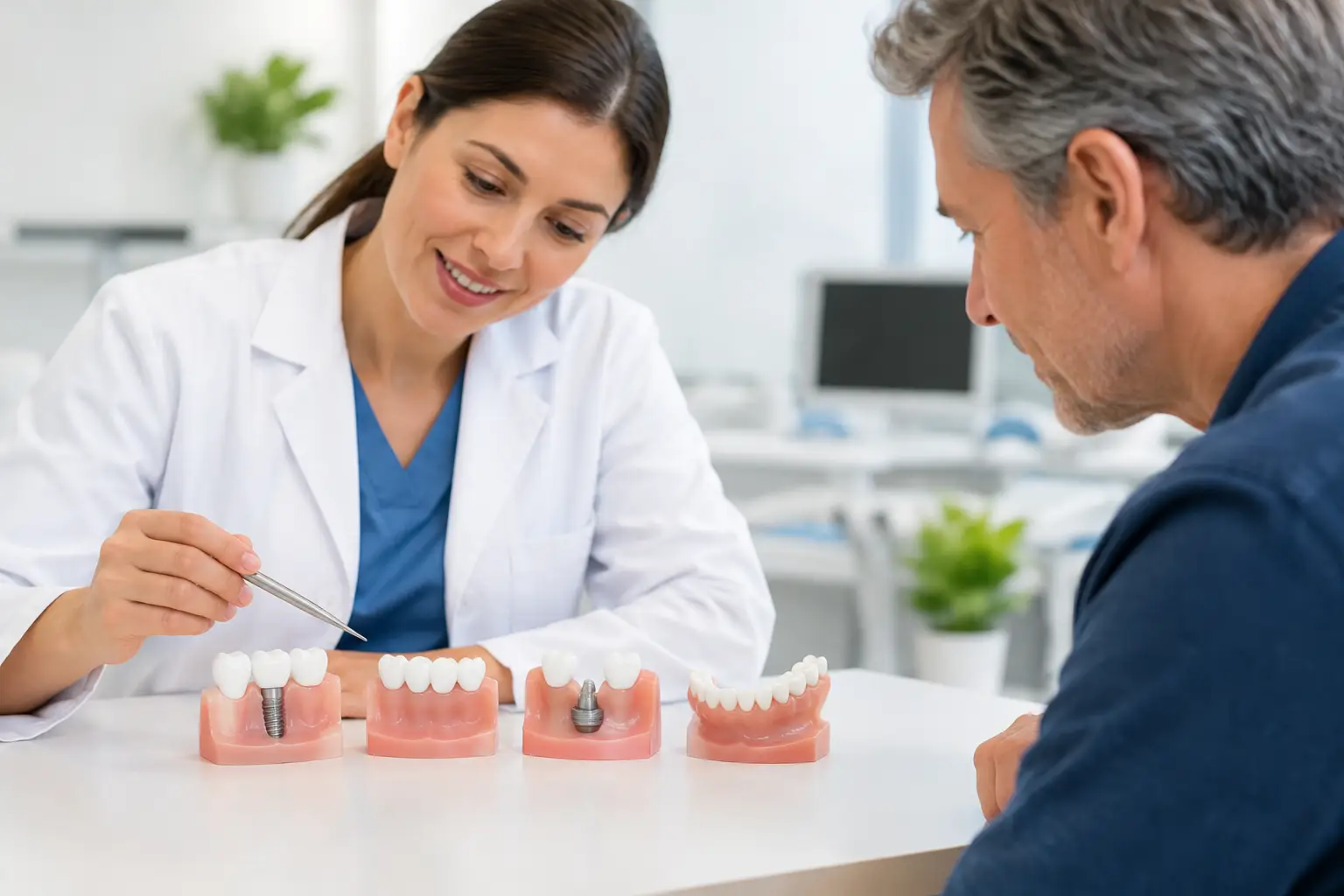
What happens at a dental consultation?
A consultation is an opportunity to explain what you would like to change and what you want your teeth to do better. You may be concerned about the appearance of a missing tooth in photographs, the difficulty of chewing on one side, or a smile that has become dull or uneven over time. These details matter because successful treatment should reflect both clinical needs and your own goals.
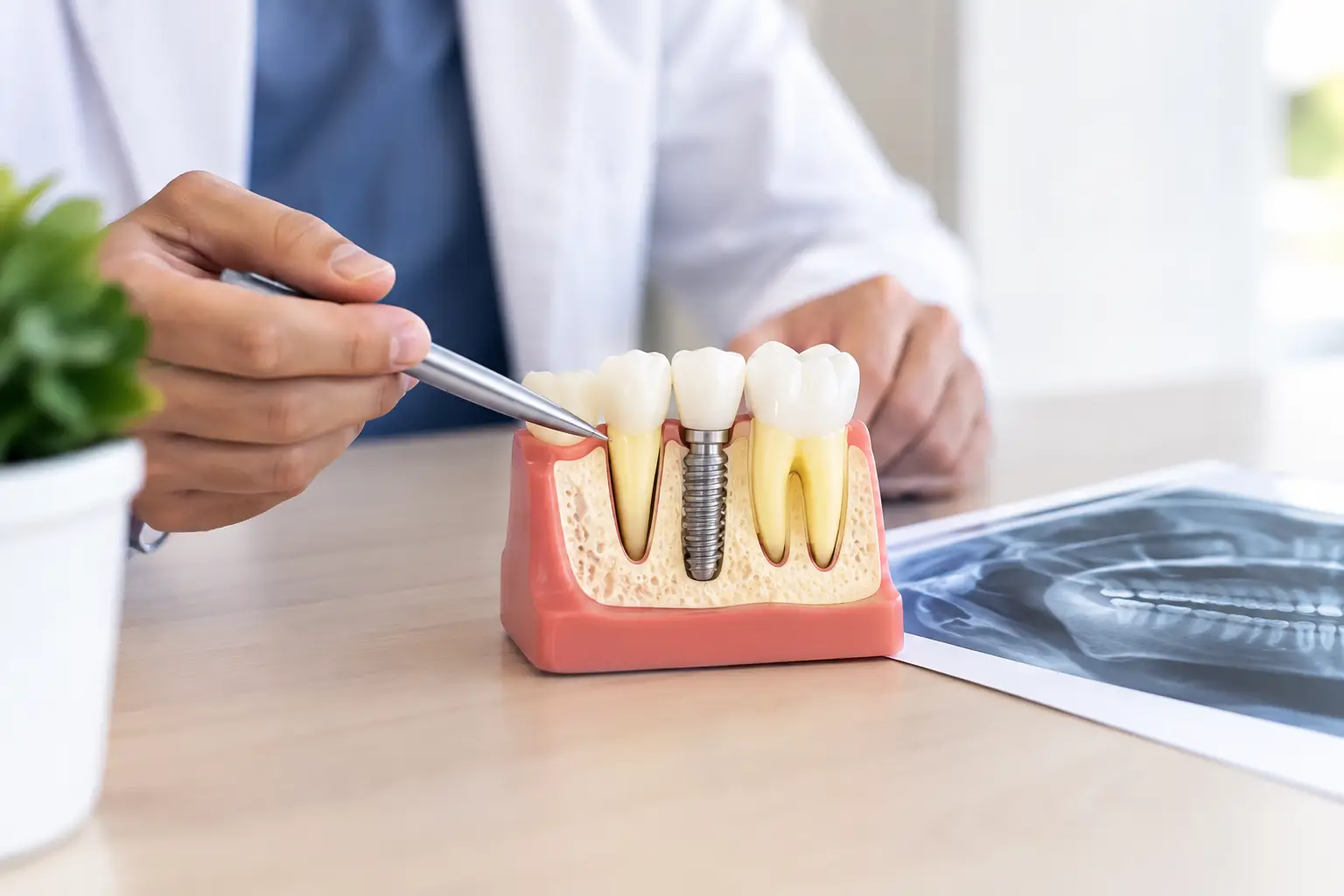
Your dentist will carry out a thorough examination of your teeth, gums and bite. Depending on the treatment being considered, this may involve photographs, X-rays, digital scans or more detailed three-dimensional imaging. These records help to identify issues that cannot be judged by appearance alone, such as infection beneath a tooth, bone loss around missing teeth or pressure caused by an uneven bite.
For implant dentistry, imaging is particularly valuable. It allows the dentist to assess the quantity and quality of jawbone, the position of nearby teeth and important structures such as nerves and sinuses. This supports accurate implant placement and helps establish whether preparatory treatment, such as bone grafting, may be beneficial.
The discussion should also cover your medical history, current medication and previous dental experiences. Certain health conditions and habits, including smoking, teeth grinding and a history of gum disease, can affect treatment choices and aftercare. This is not about ruling people out unnecessarily. It is about making decisions with a realistic view of risk and longevity.
Building a plan around function and appearance
The strongest treatment plans consider how your teeth work as well as how they look. A front tooth restoration should complement your smile, but it must also cope with biting forces. A new implant crown should look natural alongside neighbouring teeth while allowing you to chew comfortably and clean around it effectively.
Where several issues are present, treatment is often planned in stages. Urgent concerns such as pain, infection or broken teeth are addressed first. Gum health and hygiene are then improved where needed, creating a stable foundation for restorative or aesthetic work. Once the mouth is healthy, the final restorations or cosmetic improvements can be planned with greater predictability.
This staged approach can be especially useful for patients who are considering a broader smile makeover. Whitening is often completed before composite bonding or veneers, for example, so restorations can be matched to the brighter shade you wish to keep. If missing teeth are being replaced with implants, their position may influence the proportions and appearance of the surrounding teeth. Looking at the whole smile prevents individual treatments from working against one another.
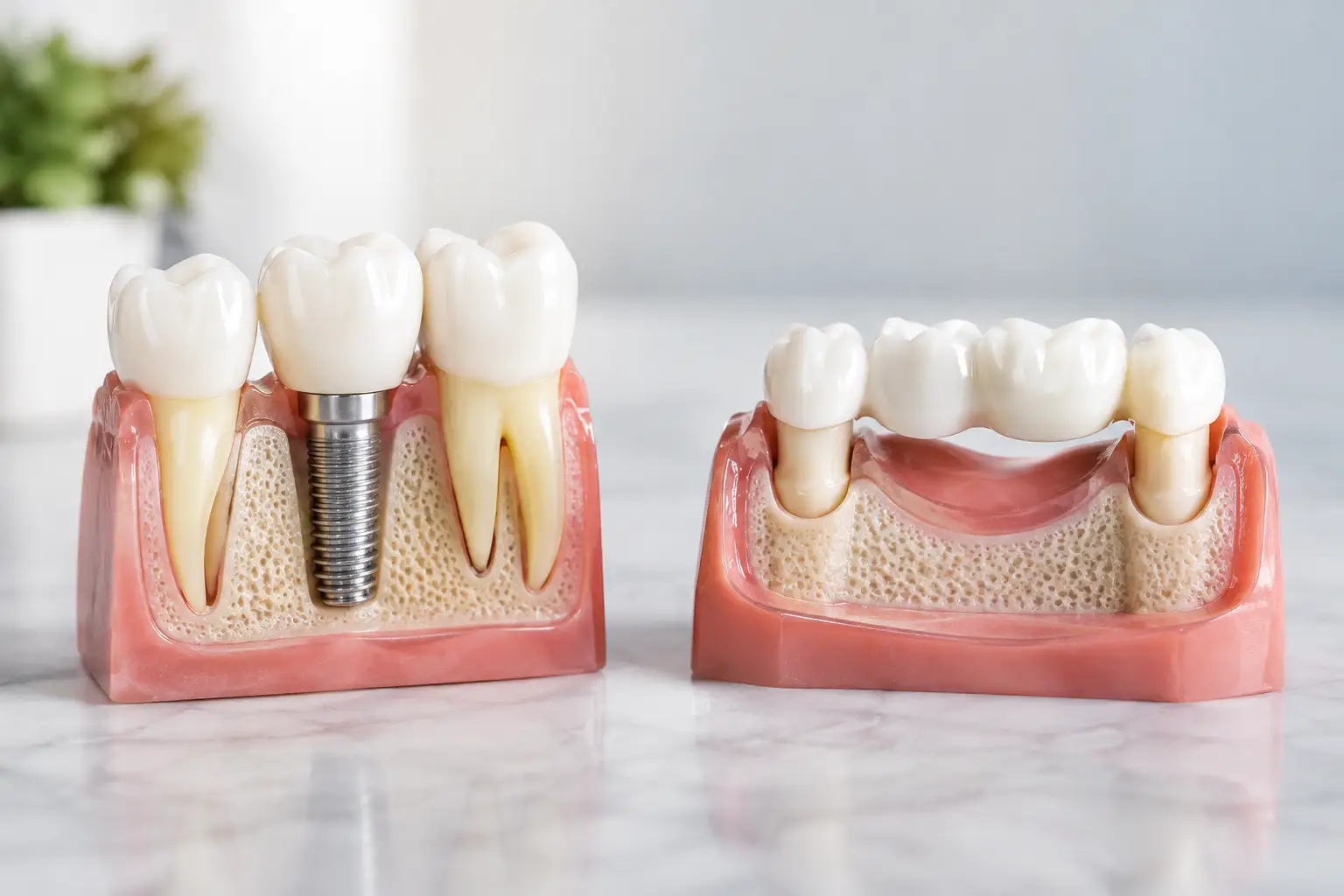
Choosing between implants, bridges and removable options
There is no single best method of replacing a missing tooth. Dental implants are designed to replace the tooth root as well as the visible tooth, providing a fixed, natural-looking solution that does not rely on adjacent teeth for support. For many patients, this can offer excellent stability, comfort and confidence when speaking and eating.
An implant does require suitable bone, healthy gums and a commitment to careful cleaning and review appointments. Treatment also takes time, because the implant needs to integrate with the jawbone before the final crown is fitted. In some cases, a bridge may be a more appropriate choice, particularly if neighbouring teeth already need crowns. A removable denture can also be a practical option for some situations, including the replacement of several teeth.
The right answer depends on your oral health, the location of the gap, the condition of surrounding teeth, your budget and what matters most to you. A clear plan should explain the advantages and compromises of each route, rather than presenting one treatment as right for everybody.
Planning cosmetic changes conservatively
Cosmetic dentistry should enhance what is already healthy, not remove more tooth structure than necessary. For minor changes, composite bonding can often improve shape and symmetry with minimal intervention. It is a versatile option, although it may need polishing, repair or replacement over time, particularly for patients who bite heavily or grind their teeth.
Professional whitening can create a noticeably fresher smile, but it does not change the colour of crowns, fillings, bonding or veneers. Planning ensures that existing restorations are considered before whitening begins, especially if they are visible when you smile.
Porcelain veneers can create more substantial changes and are carefully designed to suit your facial features, tooth proportions and preferred level of brightness. They are not automatically the first choice for every concern. Where enamel is healthy and the desired change is modest, more conservative options may be preferable. Your dentist should help you understand both the immediate visual result and the ongoing commitment each treatment involves.
Understanding timings, costs and aftercare
A treatment plan should set out the proposed sequence of appointments, expected timescales and associated fees. Complex care may involve several stages over a number of months, while a simpler course of whitening or bonding can often be completed more quickly. A precise timeline depends on how your mouth responds to treatment and whether preparatory care is required.
You should also know what aftercare will help protect the result. Implants, crowns, veneers and bonded teeth all benefit from consistent home cleaning, regular dental examinations and hygienist visits. A night guard may be recommended if you grind your teeth. These measures are not optional extras: they are part of preserving the function and appearance of your dentistry.
At Russell Avenue Dental & Implant Centre, personalised planning is used to turn a significant dental decision into a series of clear, manageable steps. You should have time to ask questions, consider the options and feel comfortable with the proposed approach before deciding to proceed.
The best plan is one that makes sense not only on the day treatment begins, but years later when you are eating comfortably, smiling naturally and maintaining the result with confidence.