A missing tooth can affect far more than the space visible when you smile. It may change how you chew, make speech feel less natural or leave neighbouring teeth without proper support. For patients researching implant bridge alternatives, the right choice depends on the number and position of missing teeth, the health of the remaining teeth and gums, and what you want treatment to achieve over the long term.
An implant-supported bridge is often an excellent fixed solution when several teeth in a row are missing. It uses dental implants as secure foundations for a custom-made bridge, avoiding the need to rely on adjacent natural teeth. However, it is not the only option. A consultation and thorough examination are essential because the most suitable treatment is personal to your mouth, lifestyle and priorities.
What is an implant-supported bridge?
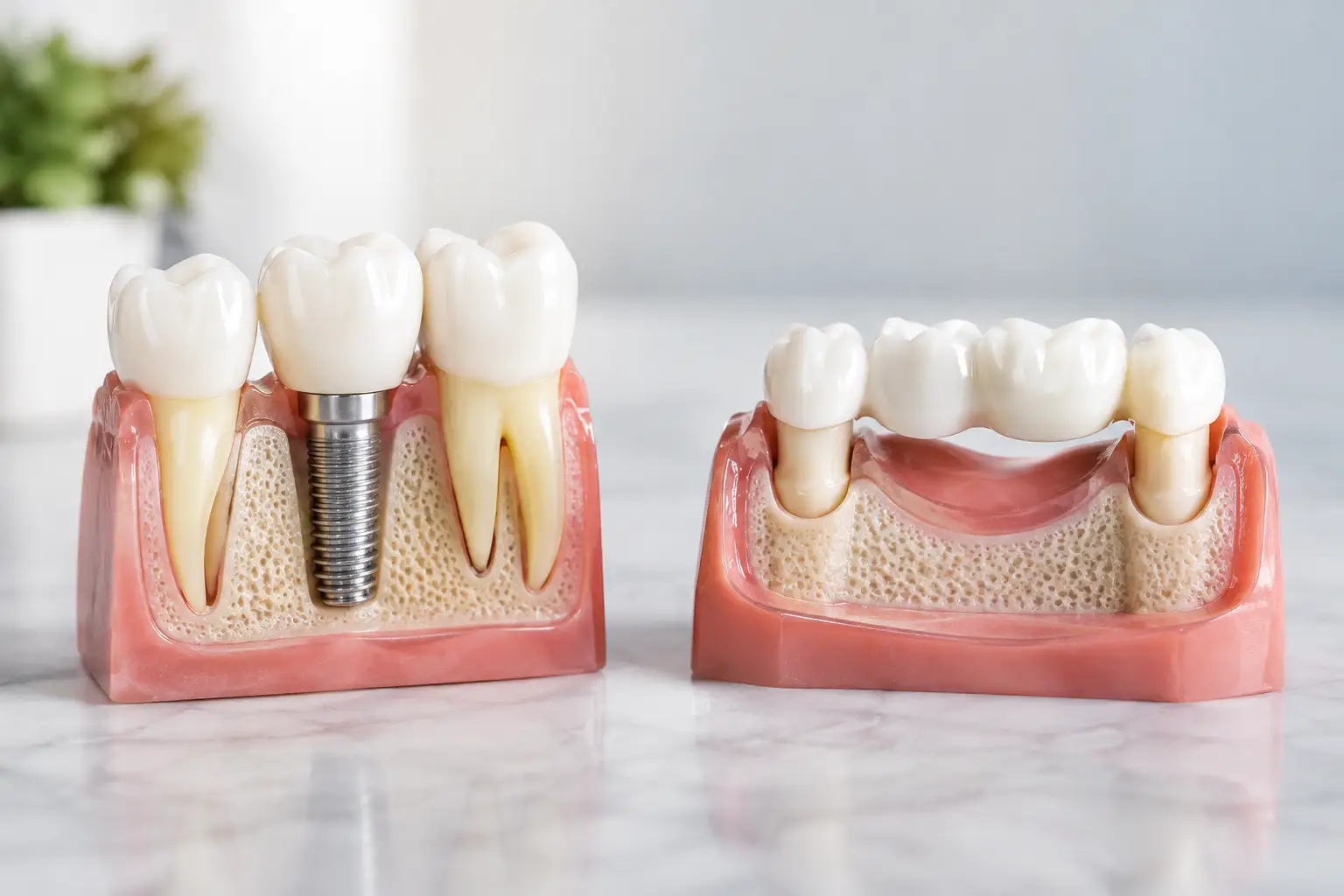
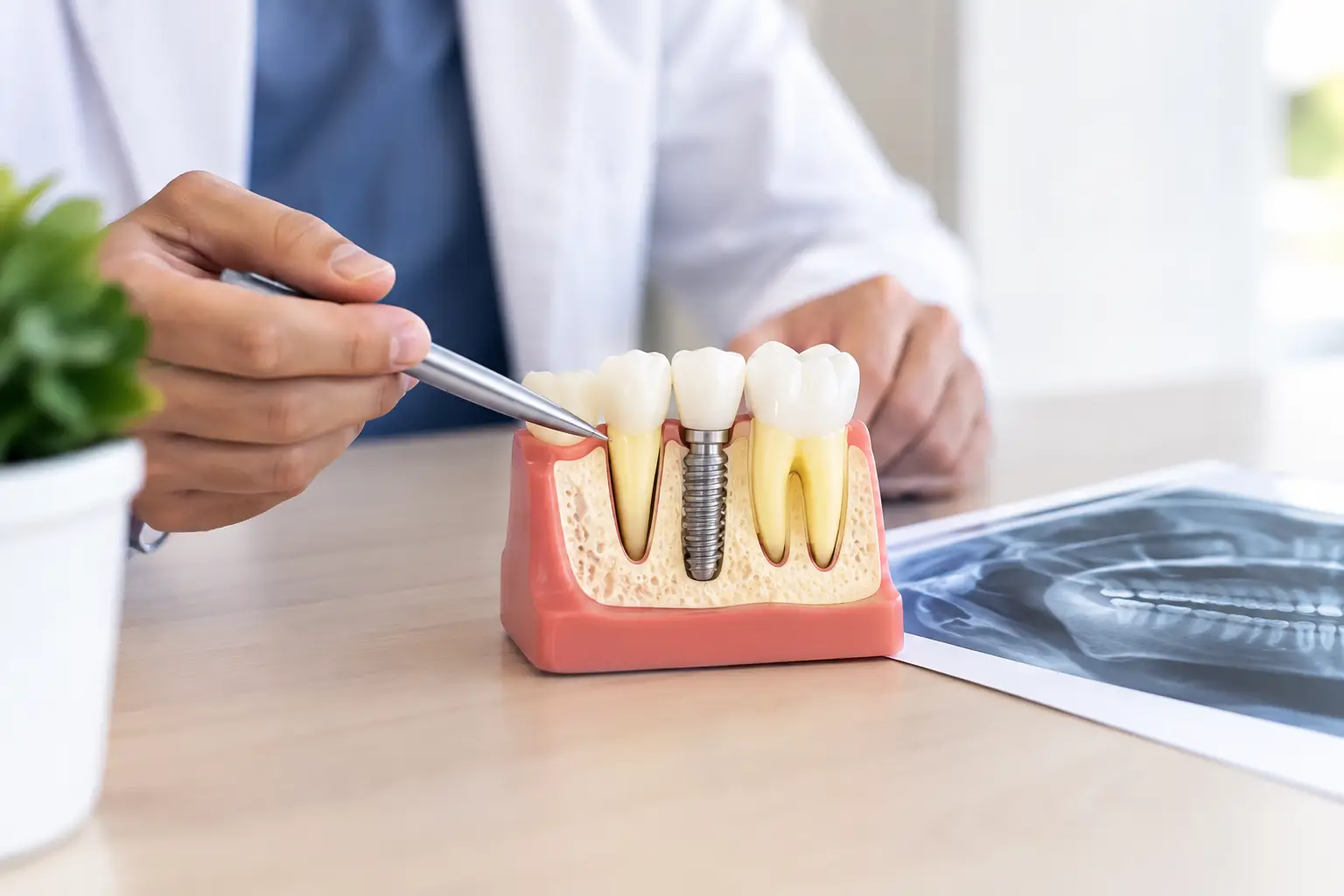
An implant-supported bridge replaces two or more missing teeth with a fixed restoration supported by implants. Rather than placing an implant for every missing tooth, a carefully planned number of implants can support a bridge across the gap. The visible teeth are designed to blend with your smile, while the implants sit within the jawbone beneath the gum line.
For many people, this provides a secure, natural-looking replacement that feels closer to natural teeth than a removable appliance. It can also help preserve jawbone in the area of tooth loss, as implants transmit chewing forces into the bone.
That said, an implant bridge involves surgery, healing time and a financial commitment. In some situations, another treatment may be more appropriate, either because of the condition of nearby teeth, available bone, medical considerations or your preference for a less invasive route.
When are implant bridge alternatives worth considering?
Alternatives may be discussed if you are replacing a single tooth, if the teeth beside the gap already need crowns, or if you are not ready for implant treatment. Your dentist will also consider gum health, tooth wear, bite forces and whether there is enough bone to place implants safely and predictably.
There is rarely one universally ‘best’ replacement. A treatment that offers excellent value and appearance for one patient may be less suitable for another. The aim is to protect your oral health while giving you a result that works comfortably in daily life.
Individual dental implants
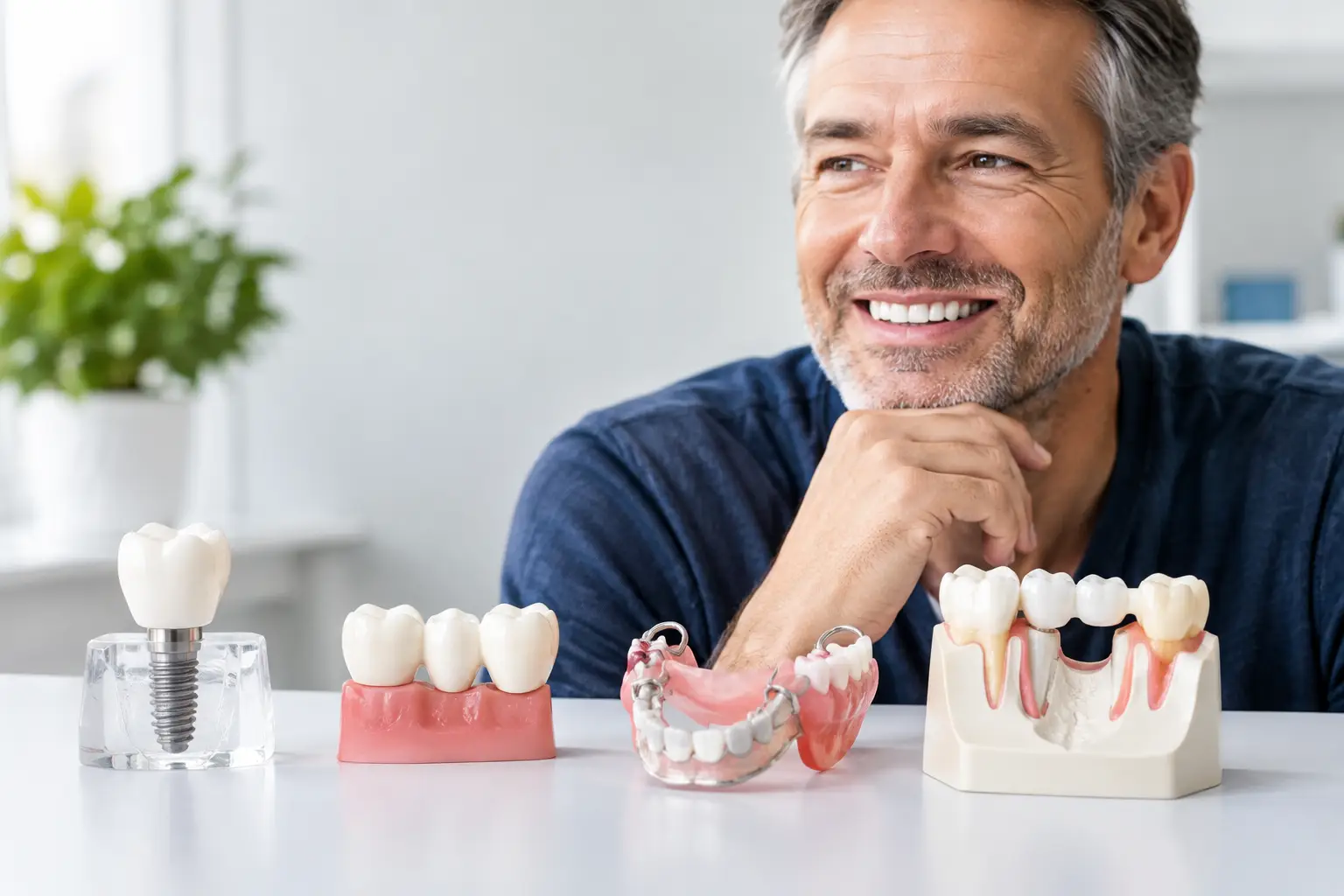
If several teeth are missing, individual implants can sometimes be placed and restored with separate crowns. This approach gives each replacement tooth its own support, closely mirroring the structure of natural teeth.
One advantage is that individual crowns can be maintained or replaced separately if necessary in future. Cleaning between them may also feel more familiar, although good technique and appropriate interdental cleaning are still essential. Individual implants can be particularly appealing where missing teeth are not next to one another, or where the spaces and bite allow for separate restorations.
The trade-off is that this may require more implants, more planning and a higher overall cost than using a bridge supported by fewer implants. It is also not always clinically beneficial to place an implant in every space. Bone volume, aesthetics and the distribution of biting forces all need careful assessment.
When individual implants may be suitable
Individual implants may be considered where each missing tooth needs independent support, where maintaining small spaces between teeth is important, or where a bridge design would be difficult to clean. A 3D assessment and clinical examination help determine whether this is realistic and appropriate.
A conventional fixed dental bridge
A conventional bridge uses the teeth on either side of a gap as supports. These supporting teeth are usually shaped to receive crowns, with the replacement tooth fixed between them. It can be an effective fixed option, particularly when adjacent teeth already have large fillings, existing crowns or damage that makes crowning them sensible anyway.
A conventional bridge does not require implant surgery and is usually completed more quickly than implant treatment. For someone seeking a fixed replacement but unable or unwilling to have implants, it can be a practical solution with a pleasing aesthetic result.
The important consideration is that healthy supporting teeth need to be prepared. Unlike implants, a conventional bridge does not stimulate the jawbone where the tooth is missing, so bone changes can continue gradually beneath the replacement tooth. The supporting teeth also carry additional load and require attentive cleaning around the bridge margins.
A resin-bonded bridge for a front tooth
A resin-bonded bridge, sometimes called a Maryland bridge, is commonly used to replace a single missing front tooth. It has a replacement tooth with a discreet wing bonded to the back of an adjacent tooth. In the right case, this can be a conservative option because little or no drilling of the neighbouring tooth may be needed.
This treatment can be particularly useful for a smaller biting load at the front of the mouth, or as an interim solution while a longer-term implant plan is being considered. It is generally less suitable in areas exposed to strong chewing forces, such as the back teeth, and it may occasionally need to be rebonded.
A resin-bonded bridge is not intended to perform exactly like an implant. However, for the right patient, its conservative nature and appearance make it a valuable option to discuss.
Removable partial dentures
A removable partial denture replaces one or more teeth using a custom-made appliance that can be taken out for cleaning. Modern dentures can be designed to look natural and may offer an accessible route to restoring appearance and some chewing function, particularly where several teeth are missing.
They are usually less invasive and may be completed without surgery. They can also be adapted if further teeth are lost later, although this depends on the design and condition of the remaining teeth.
Many patients find removable dentures less secure than a fixed bridge or implant restoration. They may move during eating or speaking, and they do not prevent bone loss in the same way as implants. Some people adapt very well, while others find the adjustment period frustrating. A well-designed denture and regular reviews make a significant difference to comfort.
Leaving the space untreated
In limited circumstances, leaving a gap may be reasonable. For example, a missing back tooth that does not affect function, bite stability or the surrounding teeth may not always need immediate replacement. This should only be decided after an examination, rather than assumed from the appearance of the space.
Over time, nearby teeth can drift or tilt into an untreated gap, and the opposing tooth may over-erupt. These changes can make future replacement more complicated. A dentist can explain whether monitoring the space is a sensible option or whether early treatment would better protect your bite.
How to choose between implant bridge alternatives
The decision should begin with the outcome you want, but it should not end there. A natural appearance matters, especially in the smile line, yet long-term function, cleanability and oral health are equally important. During treatment planning, your dentist may assess your gums, bite, jawbone, medical history and the condition of every tooth that could support a restoration.
It is helpful to think about whether you want a fixed or removable solution, how you feel about surgical treatment, and what level of maintenance feels manageable. Implants and bridges both require daily brushing and careful cleaning between or beneath the replacement teeth. Professional hygiene appointments and regular examinations protect the investment in your smile.
Cost is also a valid part of the conversation. Rather than comparing initial fees alone, consider likely lifespan, maintenance needs and the effect each option may have on neighbouring teeth. A lower-cost treatment can be right when it matches your clinical needs, just as a longer-term implant solution can be worthwhile when security and preservation of healthy teeth are priorities.
A personalised plan makes the difference
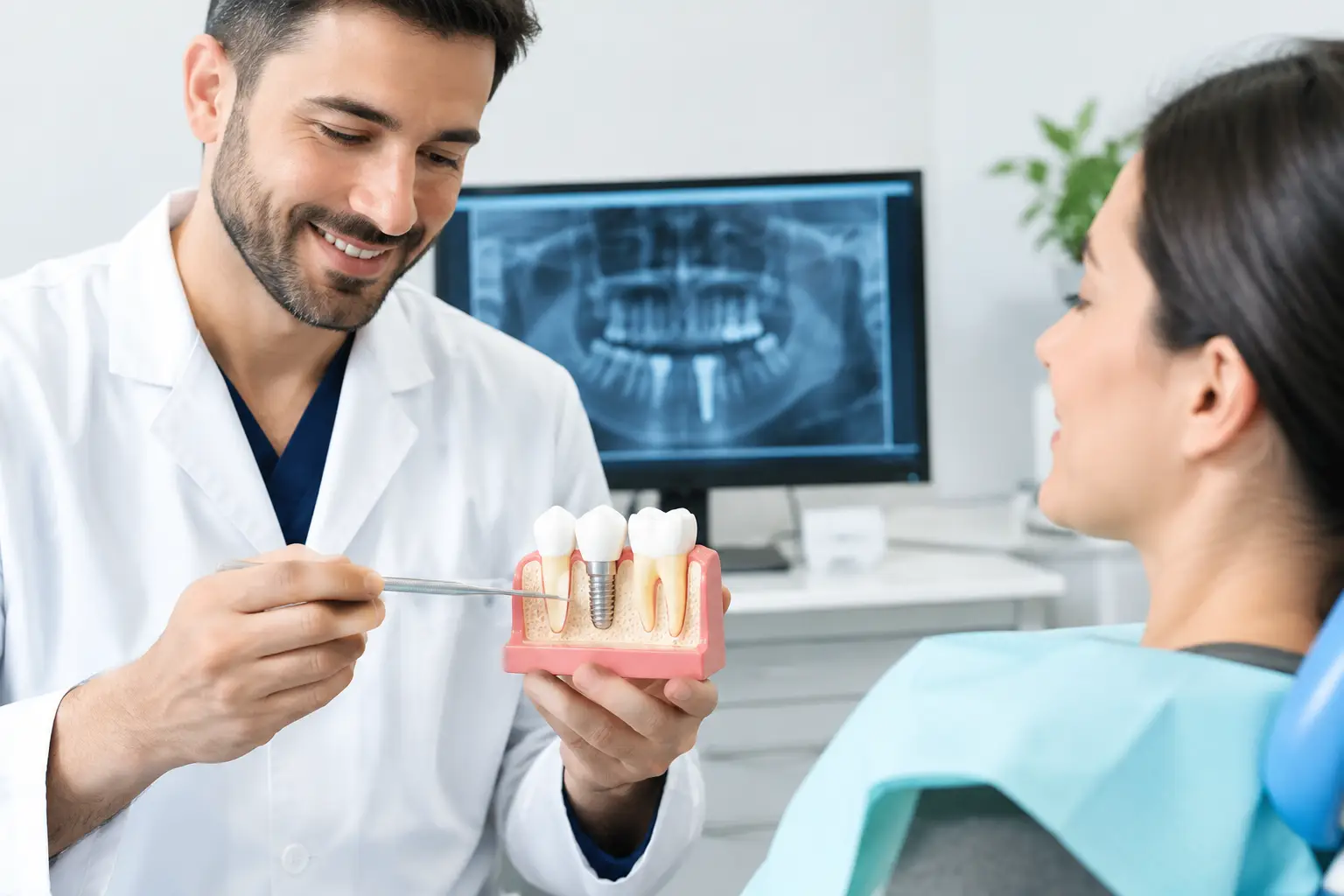
At Russell Avenue Dental & Implant Centre in St Albans, implant and restorative treatment is planned around the individual rather than a standard package. Digital imaging, clinical examination and a clear discussion of your concerns allow treatment options to be explained in a way that feels considered and manageable.
The most reassuring next step is a consultation where you can ask practical questions: how long treatment will take, what the final result may look like, how to care for it and which option offers the best balance for you. A well-chosen replacement should not simply fill a gap – it should help you eat, speak and smile with greater confidence.