
When eating has become difficult, several teeth are failing, or you no longer feel comfortable showing your smile, isolated dental repairs may not be enough. This guide to full mouth rehabilitation explains how a carefully planned course of treatment can restore the health, function and appearance of your teeth in a structured, manageable way.
Full mouth rehabilitation is not one standard procedure. It is a personalised treatment plan that brings together the right restorative, implant, gum and cosmetic treatments for your individual needs. For some people, the priority is being able to chew comfortably again. For others, it is replacing missing teeth, protecting worn teeth from further damage, or feeling more confident in photographs and everyday conversation. Often, the aim is all of these things at once.
What is full mouth rehabilitation?
Full mouth rehabilitation is a comprehensive approach to rebuilding or improving the teeth, gums and bite across the whole mouth. It may be considered where dental problems affect several teeth or where the way the upper and lower teeth meet has been altered by wear, tooth loss, old restorations or trauma.
Rather than treating each tooth in isolation, your dentist looks at the bigger picture. This includes the condition of the teeth and gums, the stability of your bite, the health of supporting bone, and the proportions of your smile. The result should be a treatment plan that is comfortable, functional and designed to look natural for you.
It does not necessarily mean that every tooth will need treatment. A full mouth approach can include preserving healthy natural teeth while restoring only those that require attention. The term refers to the level of planning, not the number of procedures automatically involved.
When might a full mouth rehabilitation be appropriate?
People seek comprehensive treatment for different reasons. You may have several missing teeth, repeated problems with failing crowns or fillings, or teeth that have become short, chipped or sensitive through grinding and wear. Advanced decay, gum disease, dental erosion and a history of trauma can also create more widespread concerns.
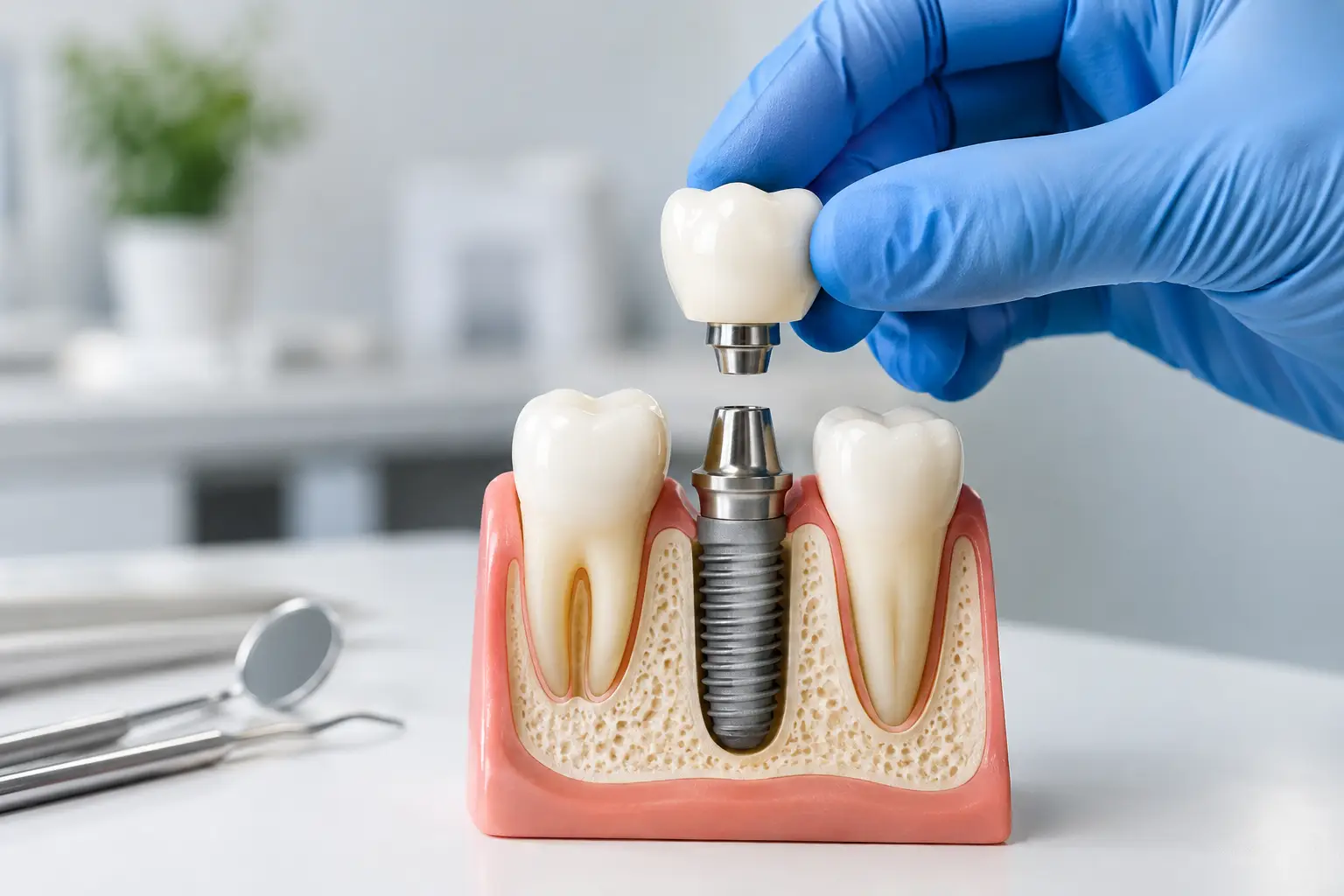
In some cases, removable dentures no longer feel secure or comfortable. Dental implants may offer an alternative by replacing tooth roots and supporting fixed crowns, bridges or a full arch of replacement teeth. Where suitable, this can provide greater stability when speaking and eating than a removable appliance.
Aesthetic concerns can also form part of the discussion. Uneven tooth shapes, discolouration, gaps and old restorations may affect the overall appearance of a smile. Treatments such as professional whitening, composite bonding and porcelain veneers can have a role, but only after any active dental disease has been addressed and the bite is stable.
Your consultation and assessment
A successful outcome begins with a thorough consultation. This is the stage for explaining what is troubling you, whether that is discomfort, limited food choices, an ageing denture or dissatisfaction with your smile. Your dentist should also ask about your medical history, medications, previous dental experiences and what you would like treatment to achieve.
The clinical assessment may include photographs, digital scans, X-rays and an examination of the teeth, gums and bite. If implants are being considered, further imaging may be needed to assess bone volume and identify important anatomical structures. These records allow the dentist to plan treatment accurately and discuss the likely sequence before work begins.
This appointment is also an opportunity to be realistic about your preferences. For example, a patient may want very bright teeth, but a softer, natural shade could suit their complexion and existing teeth better. Someone hoping for a rapid cosmetic change may first need gum treatment or stabilisation of worn teeth. Clear conversations at this stage prevent unwelcome surprises later.
Planning treatment in the right order
The order of treatment matters. Cosmetic improvements are most predictable when the mouth is healthy and stable, so active gum disease, infection or decay is usually treated first. Teeth that can be saved are assessed carefully, while teeth with a poor long-term outlook may need removal.
Once oral health is under control, your dentist can consider how to rebuild function. This may involve replacing missing teeth with implants, bridges or removable dentures; restoring damaged teeth with fillings, crowns or onlays; and adjusting the bite where appropriate. Temporary restorations can sometimes be used to test the planned bite, tooth shape and appearance before the final work is fitted.
The finishing stage may include whitening, bonding or veneers where they will improve the appearance of the smile. Whitening is often carried out before crowns, veneers or bonding are selected, as these restorations cannot be whitened afterwards. The right sequence helps achieve a more consistent colour match.
Treatments that may form part of the plan
No two plans are identical, but full mouth rehabilitation can include a combination of treatments. Dental implants replace missing tooth roots and can support a single crown, a bridge or a fixed full-arch restoration. They may be especially valuable where missing teeth are affecting confidence, speech or the ability to eat a varied diet.
Crowns and onlays can protect teeth that have been weakened by large fillings, fractures or wear. Bridges replace one or more missing teeth by joining an artificial tooth to neighbouring teeth or implants. Where a less invasive cosmetic change is suitable, composite bonding can refine chipped edges, minor gaps or uneven shapes.
Porcelain veneers may be considered for visible front teeth where changes to colour, shape or alignment are desired. Professional teeth whitening can lift the shade of natural enamel, although the result varies between individuals and must be planned around any existing crowns, fillings or veneers.
Gum treatment may also be essential. Healthy gums provide the foundation for natural teeth and implants alike. If gum disease is present, controlling it is not an optional extra. It is a key part of protecting the investment you make in restorative treatment.
How long does treatment take?
The timeframe depends on the complexity of your needs. A plan involving straightforward restorations and whitening may take a matter of weeks or months. Implant treatment commonly takes longer because healing time is needed after placement, particularly if bone grafting or extractions are required.
It is understandable to want a clear end date, especially if you have a wedding, holiday or important professional event approaching. Your dentist can discuss what is realistic and whether temporary solutions are available while permanent restorations are being made. Rushing complex treatment can compromise healing, fit or long-term stability, so a measured approach is usually worthwhile.
Appointments are normally spread out to allow for healing, laboratory work and review. A written plan should set out the recommended stages, estimated timescales and fees, so you can make decisions with a proper understanding of the commitment involved.
Balancing appearance, function and longevity
The best-looking result is not always the brightest or most uniform one. A successful rehabilitation should work with your facial features, lip line, tooth proportions and natural character. Small variations in tooth shape and shade often create a result that feels more believable than a perfectly identical row of teeth.
Function is equally important. New teeth should allow you to bite and chew comfortably without placing unnecessary stress on the jaw, implants or remaining natural teeth. If you grind or clench your teeth, a night guard may be recommended after treatment to protect the restorations.
There are also trade-offs to discuss. Implants can be a highly effective long-term solution, but they require surgery, good gum health and ongoing cleaning. Veneers can create a significant aesthetic improvement, but they are not suitable for every bite or every tooth. Composite bonding is conservative and repairable, yet it can stain or chip more readily than porcelain. The right choice depends on your oral health, goals, budget and willingness to maintain the result.
Looking after your new smile
Rehabilitation is the beginning of a long-term partnership with your dental team, not the end of treatment. Daily brushing, cleaning between the teeth and regular hygiene appointments are vital. Implants cannot decay, but the gums and bone around them can still develop disease if plaque is allowed to build up.
Regular reviews allow small concerns to be identified early, from a loose crown to wear on a night guard. With attentive home care and professional maintenance, well-planned restorative work can support both your comfort and confidence for many years.
If you are considering full mouth rehabilitation in St Albans, the most useful first step is a detailed consultation. A calm, personalised assessment can turn a complex set of dental concerns into a clear plan, with each decision focused on helping you eat, speak and smile with greater ease.