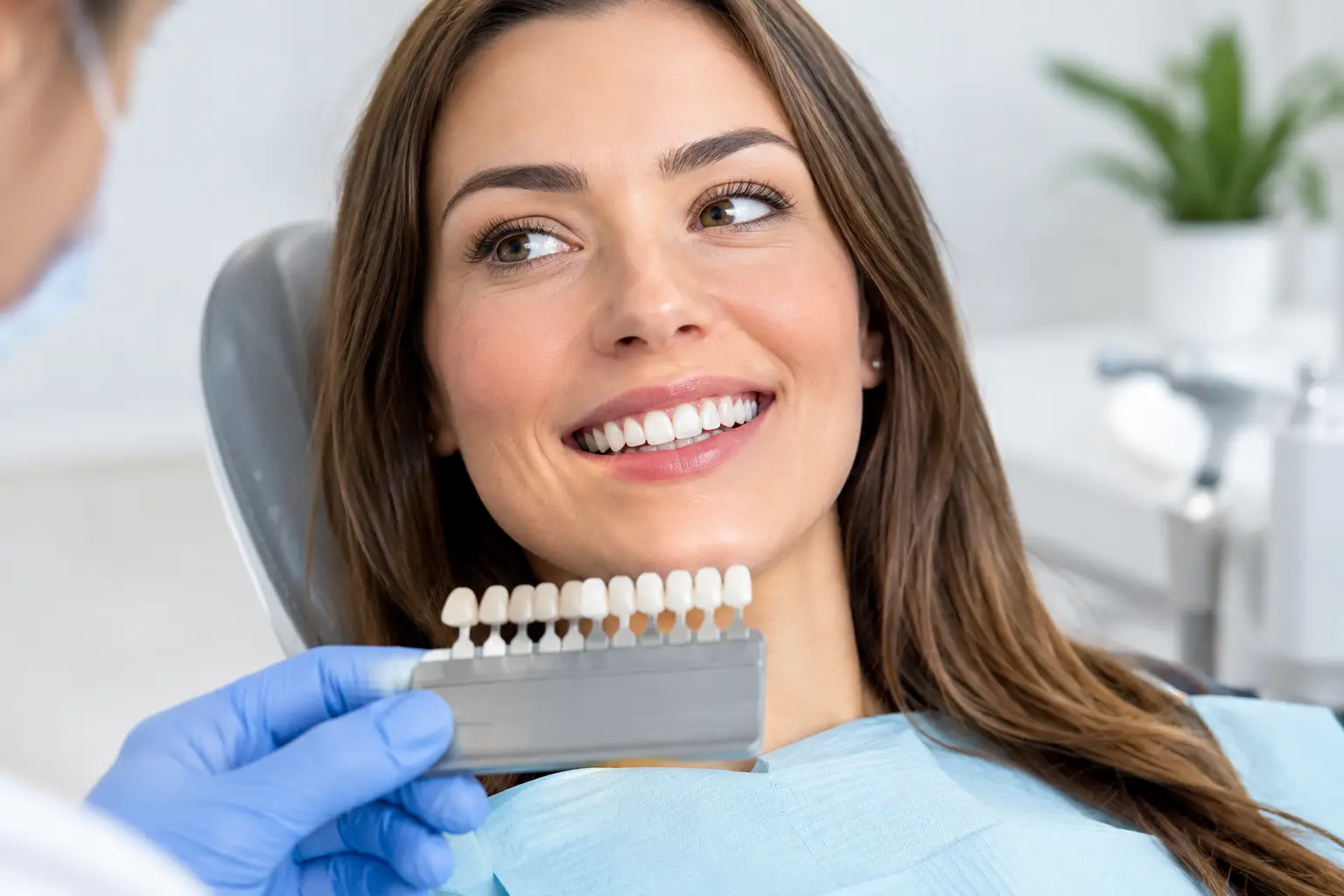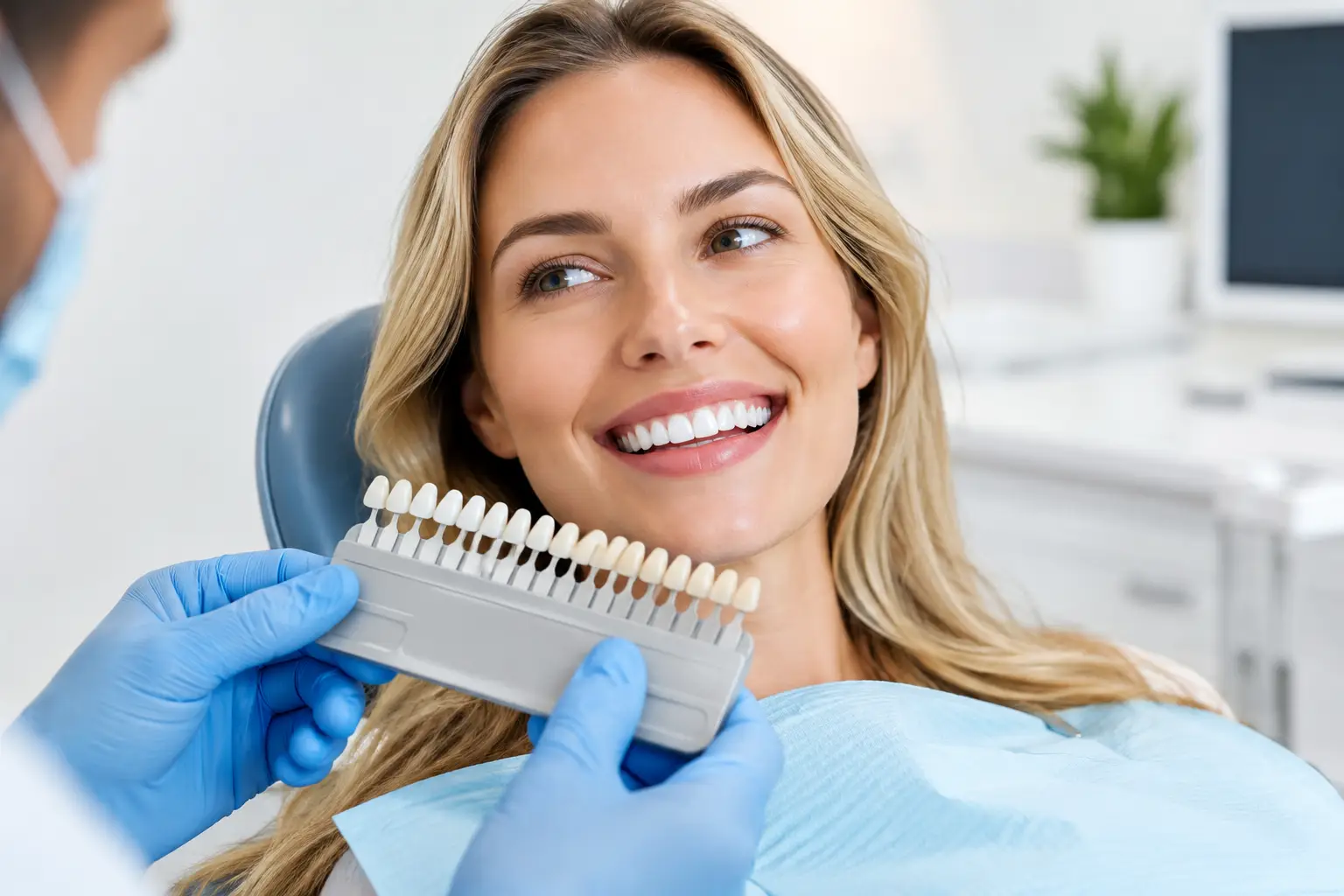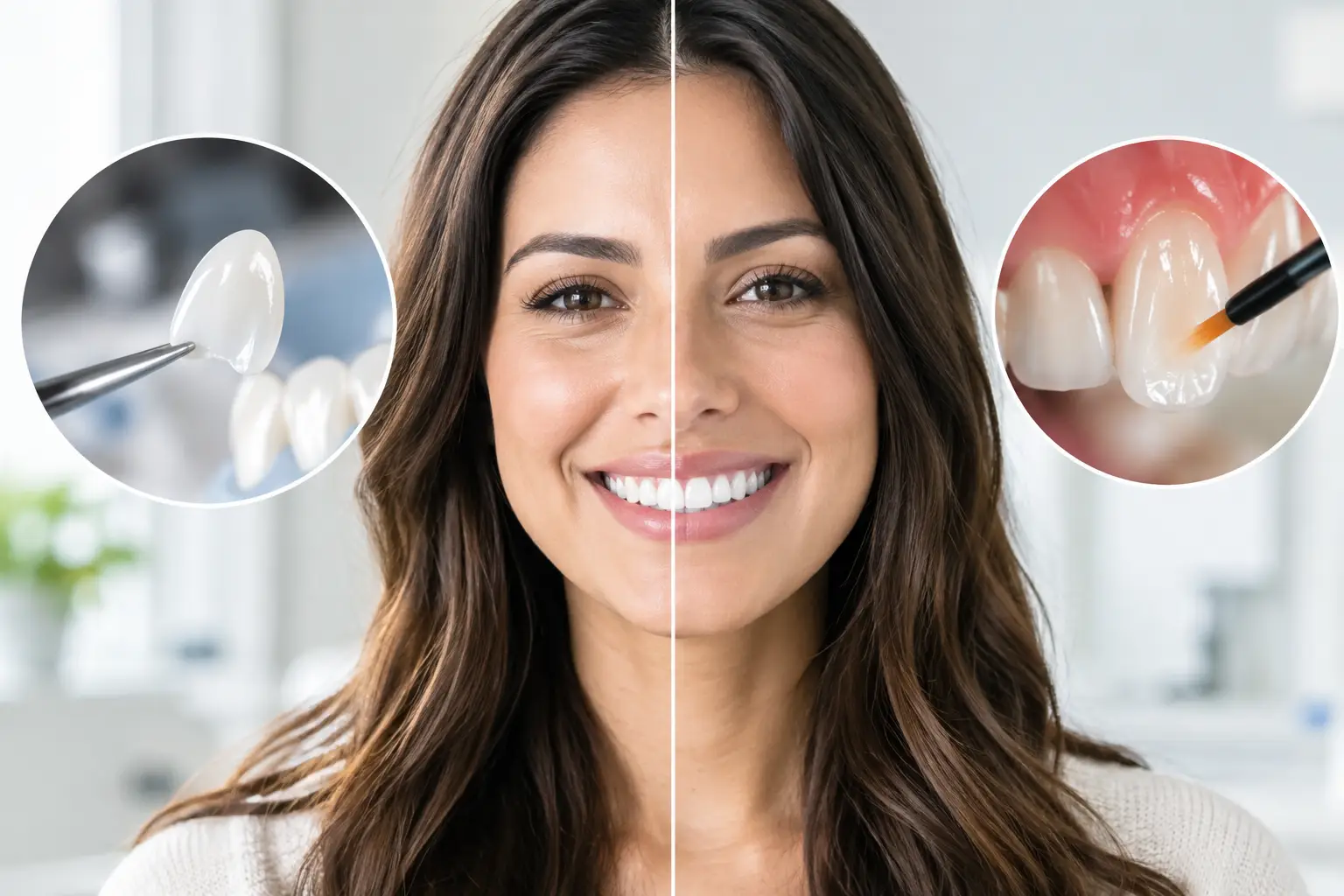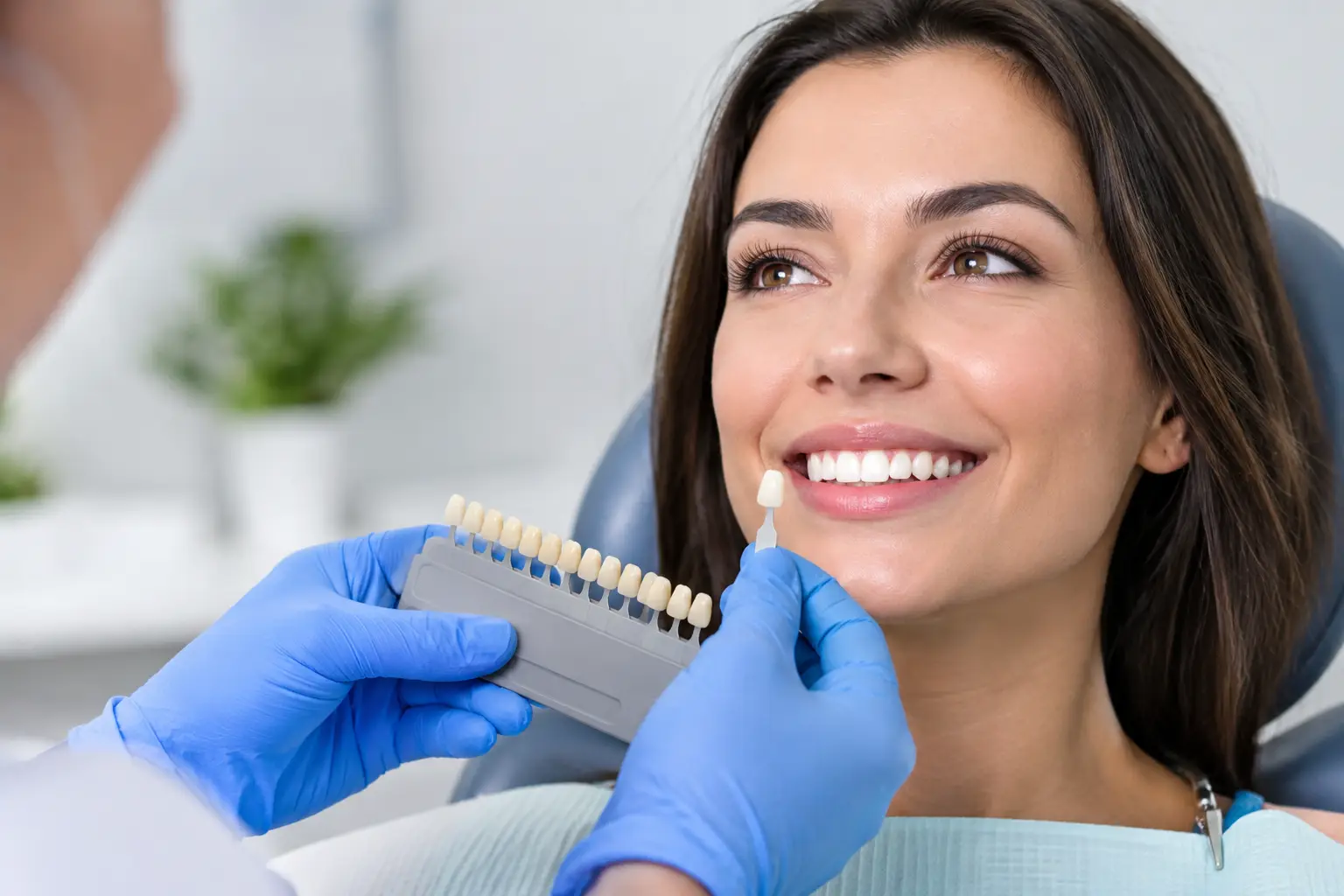
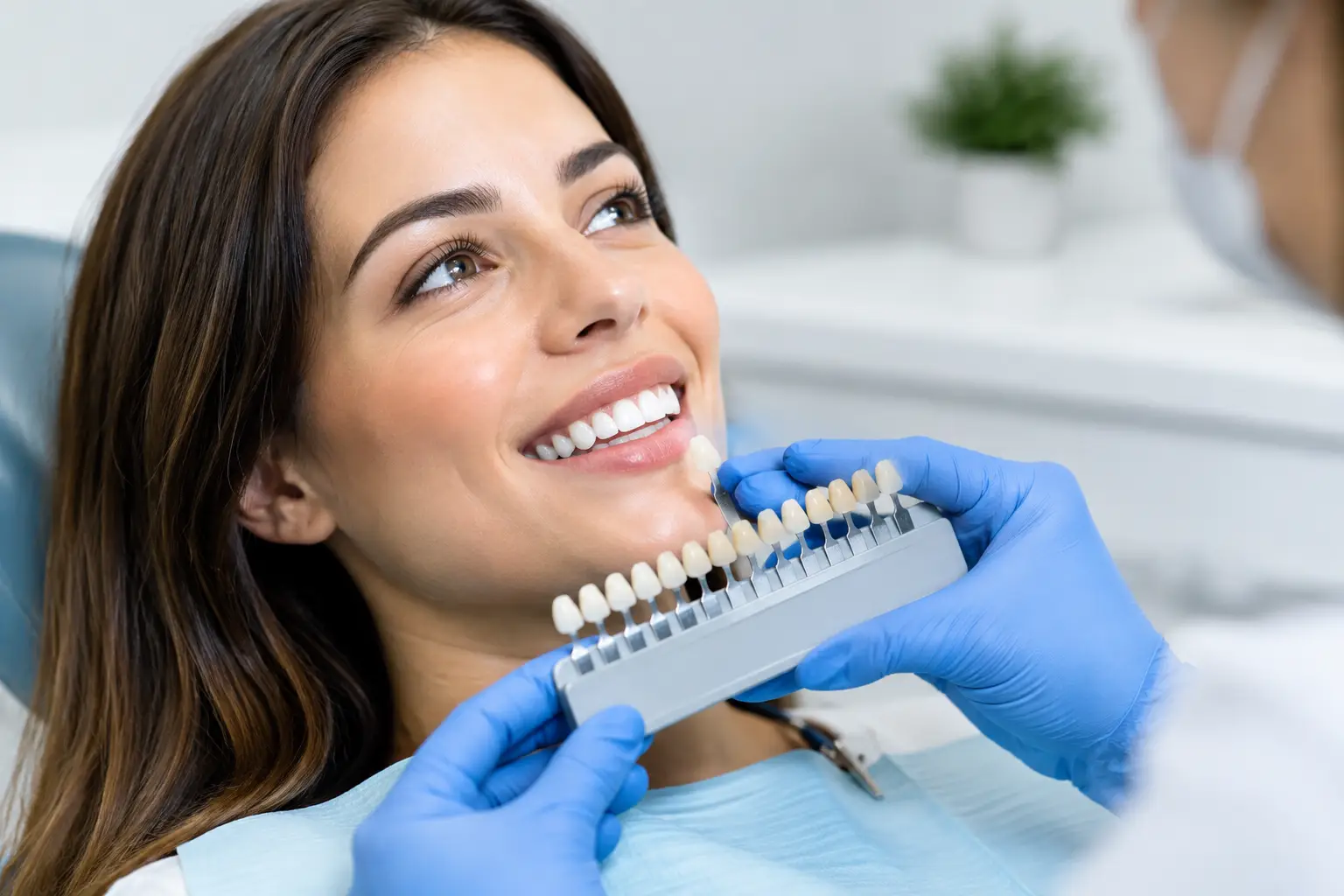
A brighter smile can make a noticeable difference to how you feel in photographs, meetings and everyday conversations. Professional teeth whitening is a considered way to improve the colour of natural teeth, with treatment planned around your oral health, existing dental work and the result you would like to achieve. It is not about creating an artificial-looking smile. The aim is a fresher, lighter shade that still looks like you.
For patients in St Albans and Hertfordshire, the appeal is often straightforward: teeth can gradually darken despite good brushing habits, and shop-bought products may deliver limited or uneven results. Dentist-led whitening offers a safer, more predictable route, beginning with an examination and clear advice on what treatment can realistically achieve.
What professional teeth whitening involves
Professional whitening uses a carefully prescribed whitening gel to break down the stains and pigments that have accumulated within the tooth enamel and dentine. It is usually carried out with custom-made trays that fit closely over your teeth. You wear these at home as instructed by your dentist, normally over a period of days or weeks.
The pace of treatment matters. Gradual whitening gives you control over the final shade and allows your dentist to guide you if sensitivity develops. Some patients may be suitable for an in-practice whitening session, often supported by take-home treatment, but this depends on your teeth, gums and goals. A consultation is the right place to decide which approach is appropriate.
In the UK, whitening should only be provided by a qualified dental professional, or carried out under their prescription and supervision. This is more than a regulatory detail. Before whitening begins, a dentist checks that your teeth and gums are healthy and identifies issues, such as decay, leaking fillings or gum inflammation, that should be treated first.
Why tooth colour changes over time
Teeth are not naturally paper-white, and a range of perfectly ordinary factors can change their appearance. Tea, coffee, red wine, curries and tobacco can leave surface staining. Age can also play a part, as enamel becomes thinner over time and the naturally darker dentine beneath becomes more visible.
Certain medicines, previous trauma to a tooth and internal changes following root canal treatment can cause deeper discolouration. These causes do not all respond in the same way. For example, a single darkened tooth may need a different treatment approach from general staining across the smile. This is why a professional assessment is valuable before choosing whitening trays or assuming one solution will suit every tooth.
The benefits of dentist-led whitening
A dentist does not simply supply whitening gel. Treatment starts with an understanding of the condition of your teeth, the current shade of your smile and the changes you hope to see. That planning helps avoid disappointment and protects your oral health.
Custom trays are a key part of this process. Because they are made to fit your teeth, they hold the gel in the right position and reduce unnecessary contact with the gums. Your dentist can also advise how much gel to use, how long to wear the trays and when to pause treatment if your teeth become sensitive.
Professional teeth whitening can be particularly useful before other cosmetic work. If you are considering composite bonding or porcelain veneers, whitening natural teeth first may help your dentist choose a shade that complements your brighter smile. The order of treatment is important because restorations do not whiten in the same way as natural enamel.
What whitening can and cannot change
Whitening can improve the colour of natural teeth, often producing a noticeable but natural-looking result. The degree of change varies from person to person. Teeth with yellow tones often respond well, while grey, brown or heavily internally discoloured teeth may be less predictable.
It will not change the colour of crowns, veneers, composite bonding, fillings or dental implants. If these restorations are visible when you smile, they may appear darker once surrounding natural teeth have been whitened. In some cases, the best plan is to whiten first and then replace or update visible restorations so that the final colour is better matched.
Whitening also cannot correct chips, worn edges, gaps, uneven tooth shape or significant crowding. It may be the complete answer for someone whose teeth are healthy and well aligned but simply darker than they would like. For others, it is one part of a wider smile plan that could include bonding, veneers or restorative treatment.
Is professional teeth whitening suitable for everyone?
Whitening is generally considered for adults with healthy teeth and gums, but suitability is always individual. Active gum disease, untreated decay, exposed tooth roots and persistent sensitivity should be addressed before cosmetic whitening is considered. Whitening gel can temporarily increase sensitivity, particularly where enamel is thin or gums have receded.
Pregnant or breastfeeding patients are commonly advised to postpone elective whitening. It may also be sensible to delay treatment if you are in the middle of orthodontic treatment, as whitening around brackets can result in uneven colour. Your dentist will explain any reasons to wait and help you plan treatment for a more suitable time.
A healthy smile is the foundation for a cosmetic result that lasts. A scale and polish may be recommended first if surface deposits are contributing to staining. This does not whiten the internal colour of teeth, but it can remove external stains and provide a clean baseline for assessing whether whitening is needed.
Managing sensitivity during treatment
Sensitivity is the concern patients raise most often, and it is usually temporary. You may notice short, sharp sensations to cold foods or drinks, or a general awareness in the teeth while whitening. This is often manageable by reducing the frequency or duration of whitening sessions, rather than abandoning treatment altogether.
Your dentist may recommend a sensitivity toothpaste or adjust your whitening schedule. Do not add extra gel in the hope of faster results. More product does not mean better whitening, and it can irritate the gums or make sensitivity more likely. Following the prescribed instructions carefully gives you the best chance of a comfortable experience.
How long will a brighter smile last?
Whitening results are not permanent, but they can be maintained. How long they last depends on your original tooth colour, diet, smoking habits and daily oral hygiene. Tea and coffee drinkers may notice colour returning sooner than someone who rarely consumes staining foods and drinks.
Many patients keep their custom trays and use a small amount of prescribed gel for occasional top-ups, once advised that this remains suitable for their teeth and gums. Regular dental examinations and hygiene care also support the long-term appearance and health of your smile.
Immediately after whitening, teeth can be more susceptible to staining for a short period. Your dentist will give practical guidance, which may include avoiding strongly coloured food and drink while you are actively whitening. There is no need to pursue a restrictive diet indefinitely. A realistic routine that you can maintain is more valuable than trying to keep teeth artificially white at all times.
Choosing the right next step for your smile
The best cosmetic decisions begin with a conversation rather than a product. At Russell Avenue Dental & Implant Centre, a whitening consultation considers the health of your teeth and gums, existing restorations and the result you would feel confident with. You can discuss whether whitening alone is likely to meet your expectations or whether another treatment would better address the details that concern you.
A lighter smile should still feel natural, healthy and appropriate to you. With professional guidance and a plan tailored to your teeth, whitening can be a simple, measured way to refresh your appearance and smile more freely.