A small chip on a front tooth can become the first thing you notice in photographs. So can uneven edges, a narrow gap or teeth that look slightly different in length. Composite bonding offers a conservative way to improve these details, often without removing significant healthy tooth structure.
For patients considering cosmetic dentistry in St Albans, composite bonding can be an appealing option because it is tailored directly to the tooth and can usually be completed efficiently. The right choice, however, depends on your teeth, bite, oral health and the changes you would genuinely like to see.
What is composite bonding?
Composite bonding is a cosmetic dental treatment in which a dentist applies a tooth-coloured composite resin to the surface of a tooth. The material is carefully shaped, hardened with a curing light and polished so that it blends with the surrounding enamel.
It can be used to repair minor damage or refine the appearance of natural teeth. Rather than creating a wholly new tooth, bonding works with what is already there. This makes it particularly useful where the aim is to make measured, natural-looking improvements.
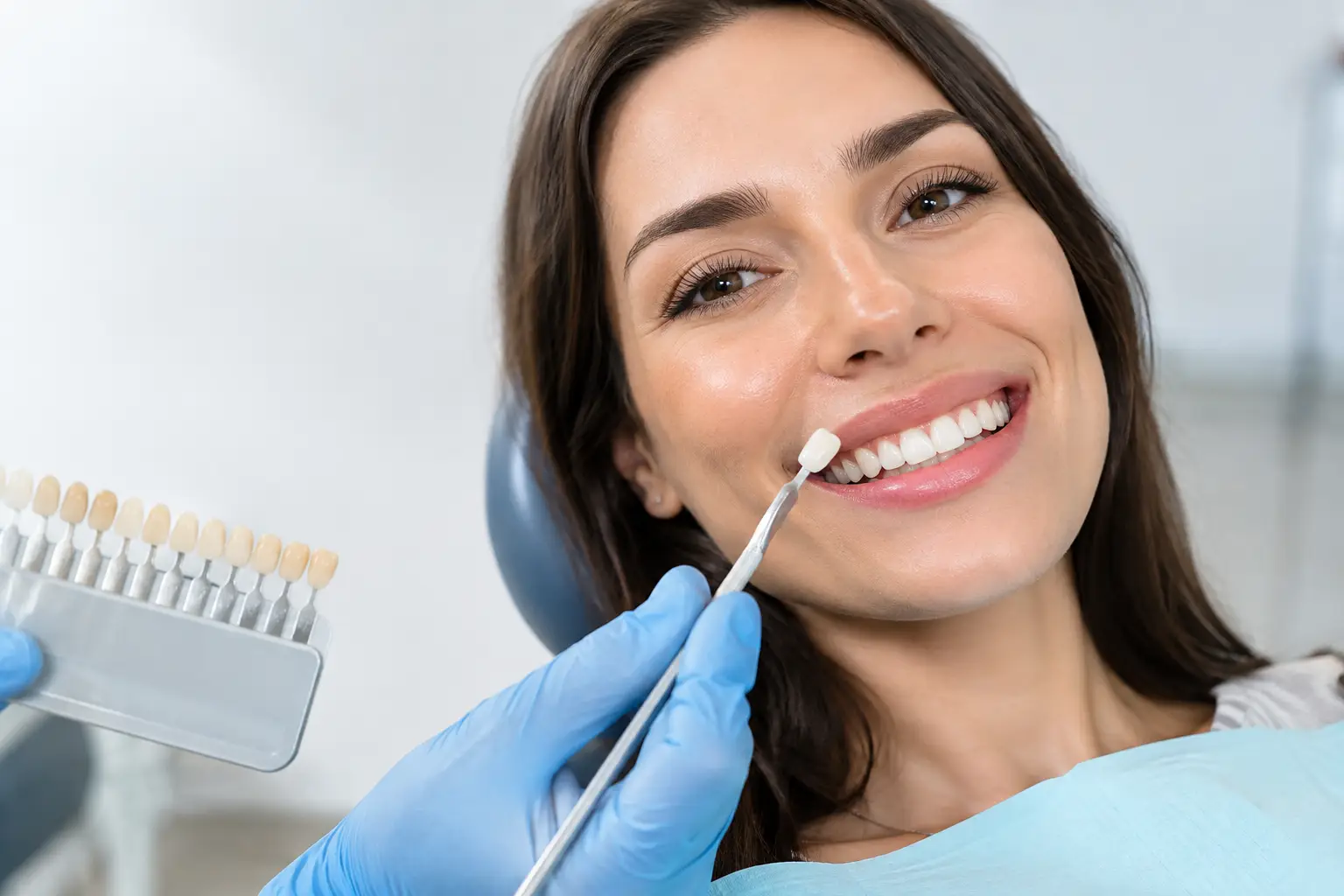
The resin comes in a range of shades and translucencies. Selecting and layering it correctly is an important part of the treatment, especially on front teeth where light reflects differently across the surface of enamel. A good result should complement your features and smile, not look artificially uniform.
What can composite bonding improve?
Composite bonding is commonly considered for minor cosmetic concerns, including chipped or worn edges, small gaps between teeth, slightly uneven tooth shapes and localised discolouration that does not respond fully to whitening. It may also help to make teeth appear more balanced where one is naturally smaller or differently shaped than its neighbour.
For some people, the benefit is not about creating a dramatic new smile. It is about removing a distraction: smoothing a chipped corner, softening a pointed canine or bringing an irregular edge into line. These small adjustments can make a meaningful difference to how confident you feel when speaking or smiling.
Bonding can also be part of a wider smile plan. For example, professional teeth whitening may be completed first, followed by bonding in a shade chosen to match the lighter teeth. Where spacing or alignment is a more significant concern, orthodontic treatment may be more appropriate before cosmetic finishing is considered.
Is composite bonding suitable for everyone?
Composite bonding is not a one-size-fits-all treatment. It is generally most suitable when teeth and gums are healthy and the desired change is modest. A thorough examination allows your dentist to assess decay, gum health, existing fillings, enamel quality and the way your teeth meet when you bite.
If you clench or grind your teeth, bonding can still sometimes be possible, but it needs careful planning. Excess pressure can chip or wear the resin more quickly. In some cases, a protective night guard may be recommended after treatment.
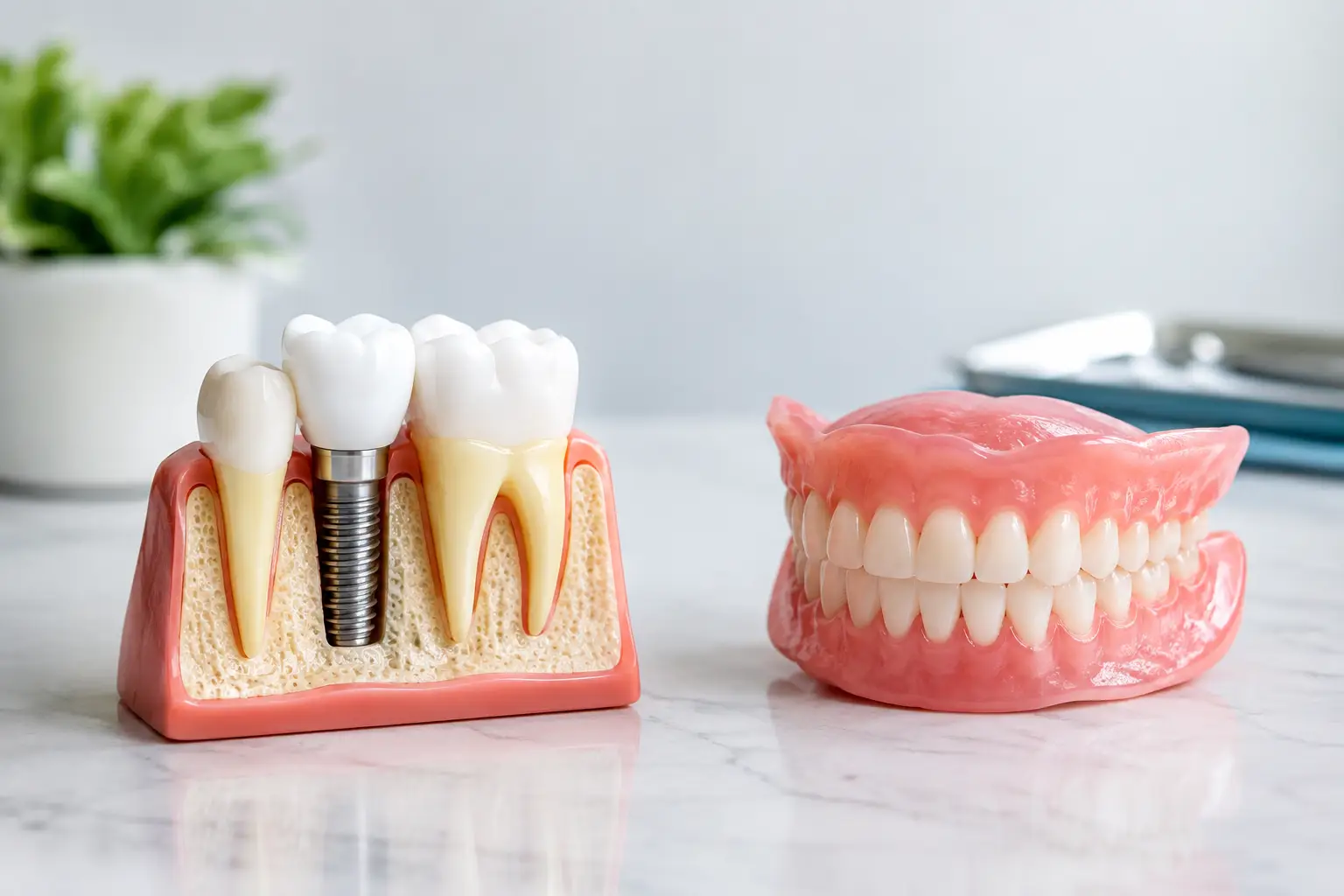
Larger fractures, extensive decay or heavily restored teeth may need a different restorative solution. Porcelain veneers may be considered when a more substantial and durable change is required, while crowns can be appropriate where a tooth needs greater structural protection. If a tooth is missing, a dental implant may offer the most secure long-term way to restore both appearance and function.
The aim of a consultation is not to steer every concern towards the same procedure. It is to identify the option that protects your oral health while delivering a result that makes sense for you.
What happens during composite bonding treatment?
Treatment usually begins with a conversation about what you would like to improve. Your dentist will examine your smile, discuss shape and shade, and explain what can realistically be achieved. Photographs or a smile assessment may be used to support planning, particularly when several front teeth are being treated.
In many cases, little or no drilling is needed. The tooth surface is prepared so the composite can bond securely, then the resin is applied in small amounts. Your dentist builds and sculpts the material to create the planned shape before setting it with a special light.
The final stage is refinement. The bonded tooth is adjusted, smoothed and polished to help it feel comfortable and look like a natural part of your smile. Anaesthetic is not always necessary, although this depends on the tooth and whether any other treatment is being carried out at the same appointment.
A single small repair can often be completed in one visit. More extensive cosmetic bonding across several teeth may need longer appointments or staged treatment to allow for careful planning and finishing.
Composite bonding, veneers and whitening: understanding the difference
These treatments can all enhance a smile, but they do so in different ways. Composite bonding adds tooth-coloured material directly to selected areas of the tooth. It is usually a more conservative choice for small shape changes, chips and limited spacing.
Porcelain veneers are custom-made ceramic coverings bonded to the front surfaces of teeth. They may offer greater stain resistance and can be suitable for more extensive changes to colour, shape or symmetry. They are also a more significant commitment, as some enamel preparation is often required.
Teeth whitening changes the shade of natural enamel but does not alter the shape of teeth or repair damage. It can work particularly well before composite bonding, but existing bonding will not whiten. If you whiten your teeth after bonding, the resin may no longer match and could need replacement or adjustment.
There is no universally better option. The best treatment is the one that fits the condition of your teeth, the longevity you expect, your budget and the level of change you want.
How long does composite bonding last?
With attentive care, composite bonding can remain attractive for several years. Its lifespan varies because it is influenced by where the bonding is placed, your bite, diet, oral hygiene and habits such as nail biting or using teeth to open packaging.
Composite resin is durable, but it is not as hard or stain-resistant as natural enamel or porcelain. Over time, it can pick up surface staining from tea, coffee, red wine or tobacco. It may also lose some of its polish or develop a small chip, particularly on biting edges.
The advantage is that composite bonding is often straightforward to maintain and repair. During regular dental examinations, your dentist can check the condition of the bonded areas and advise whether a polish, minor repair or replacement would be beneficial.
Looking after bonded teeth
You can care for composite bonding much as you care for your natural teeth: brush twice daily with fluoride toothpaste, clean between teeth each day and attend routine hygiene and dental appointments. Good gum health helps to maintain the appearance of the gumline around every cosmetic treatment.
Avoid biting directly into very hard foods with bonded front teeth where possible, and do not use your teeth as tools. If you enjoy strongly coloured drinks, rinsing with water afterwards can help reduce surface staining. Regular professional cleaning can also help preserve a smooth, bright finish.
If you notice a rough edge, a change in your bite or a chip, arrange an appointment rather than trying to smooth it yourself. Small concerns are usually easier to manage early.
Choosing composite bonding in St Albans
Cosmetic dentistry should feel considered rather than rushed. At Russell Avenue Dental & Implant Centre, composite bonding is planned around your existing teeth, your oral health and the outcome you want from your smile. The focus is on explaining your options clearly, including when another treatment may be more suitable.
A consultation gives you the opportunity to discuss the details that matter to you, whether that is a single chipped tooth or a more comprehensive smile refresh. Bring examples if they help explain your preferences, but remain open to clinical advice about what will look natural and last well. The most successful cosmetic result is one that still feels comfortably like you.