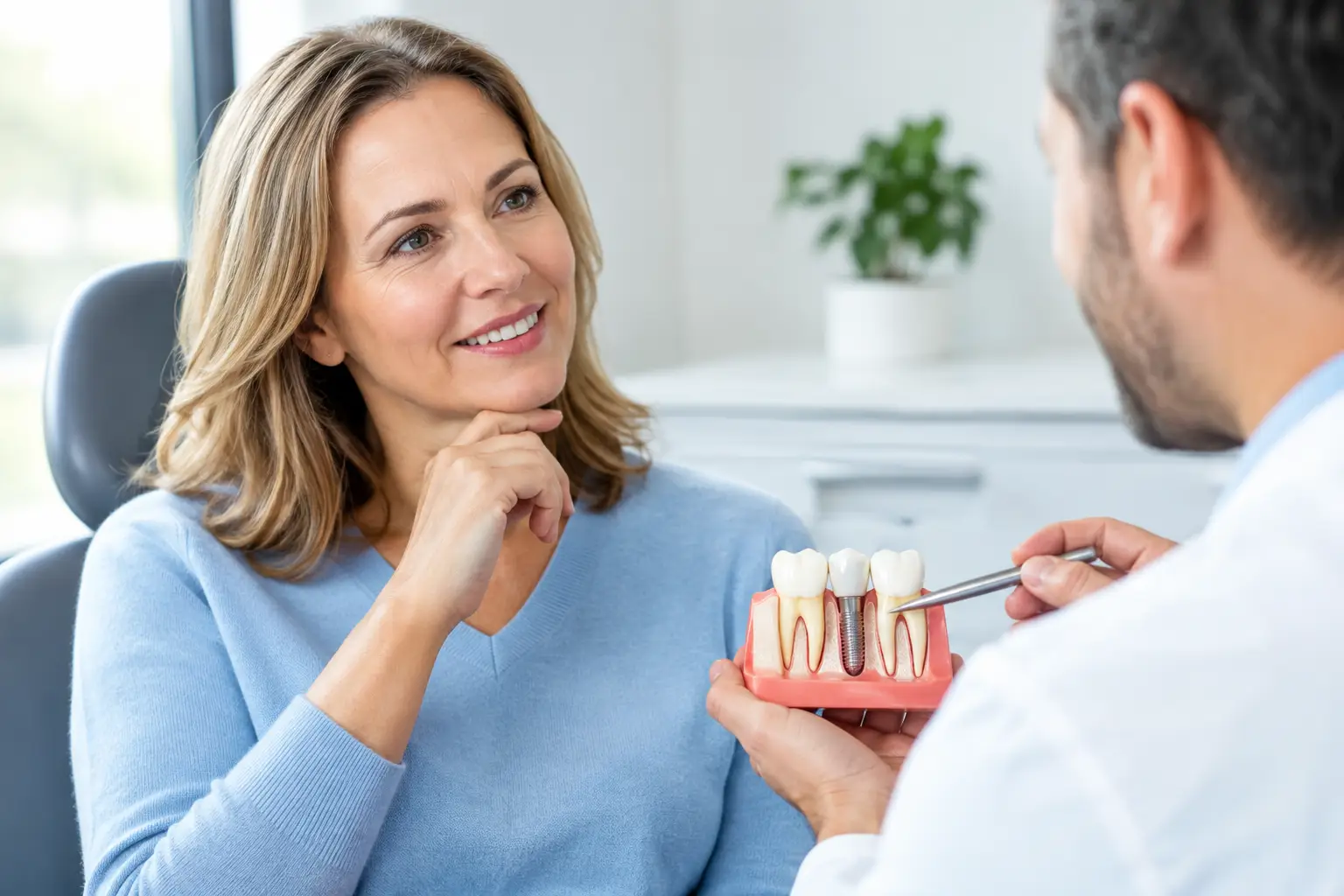

A denture that shifts when you speak, rubs against your gums or makes certain foods feel off limits can affect far more than mealtimes. Implant retained dentures offer a more stable way to replace a full arch of missing teeth, helping many patients feel more comfortable, confident and able to enjoy everyday life without the worry of a loose denture.
For patients in St Albans and Hertfordshire, the appeal is often practical as well as aesthetic. A secure denture can make conversations feel less self-conscious, improve chewing ability and create a smile that looks natural and supported. However, the right treatment depends on your oral health, the amount of bone available and whether you would prefer a removable or fixed restoration.
What are implant retained dentures?
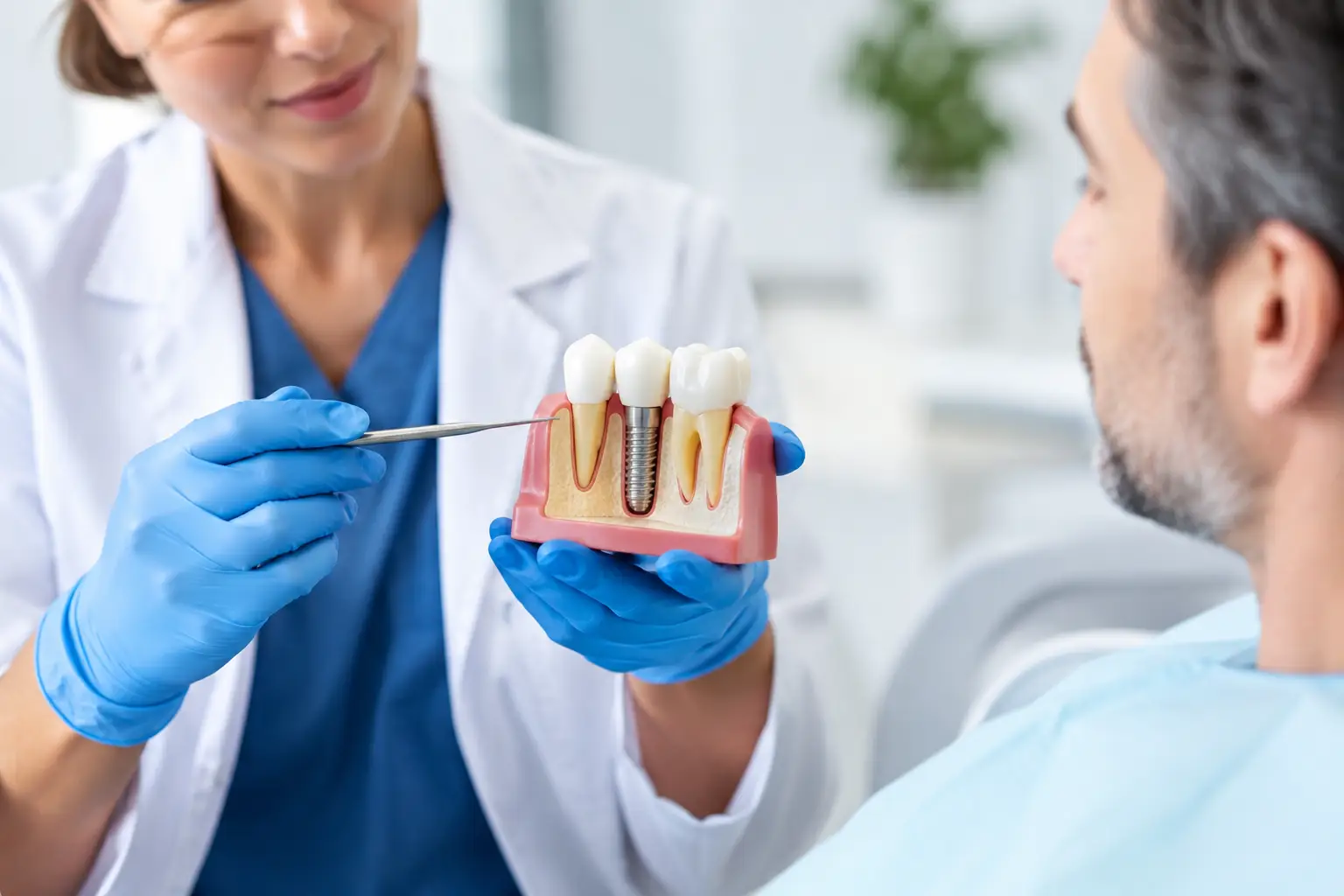
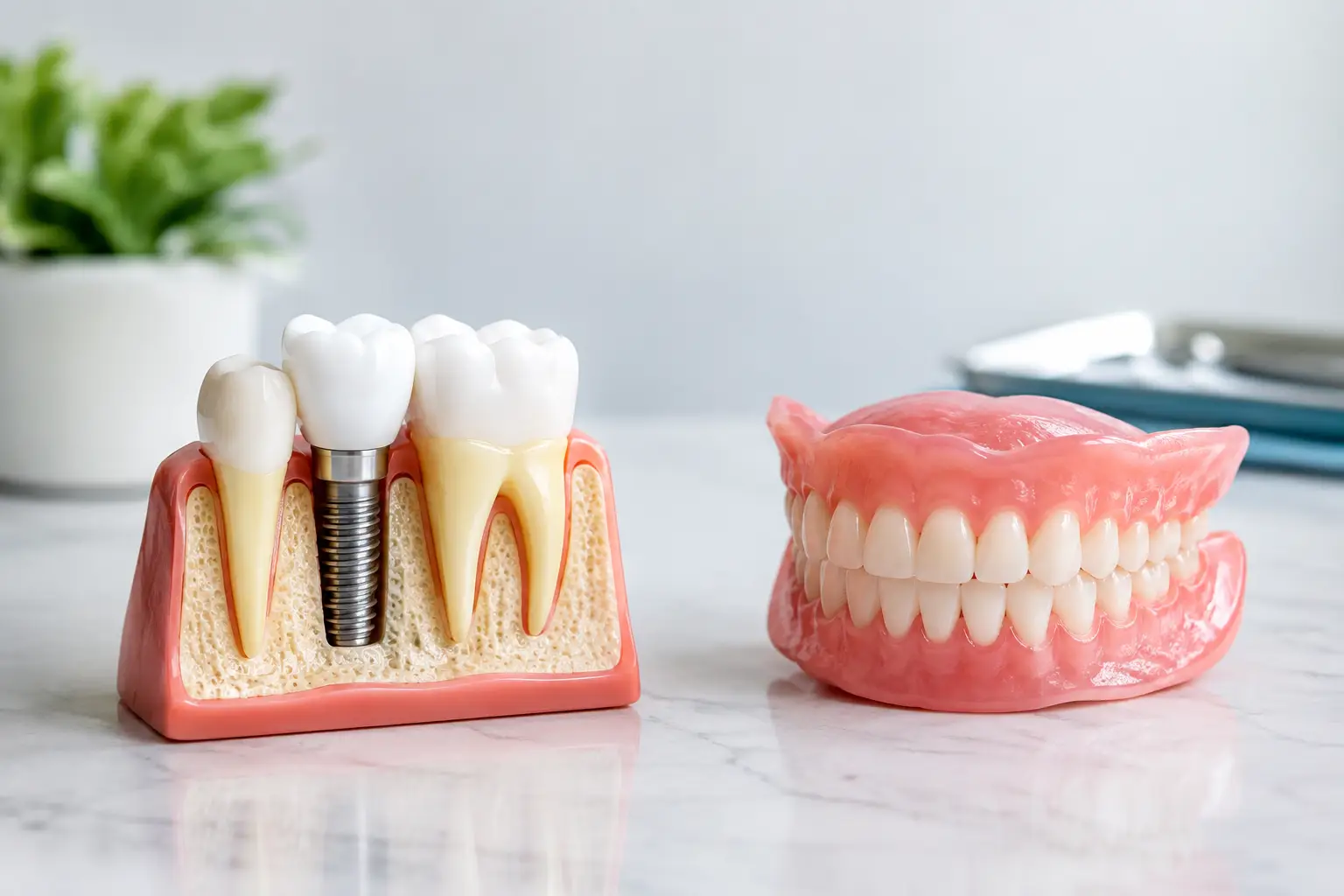
Implant retained dentures are replacement teeth supported by dental implants placed in the jaw. Unlike a conventional full denture, which rests on the gums and relies on suction or adhesive for retention, this type of denture connects to implants that act as artificial tooth roots.
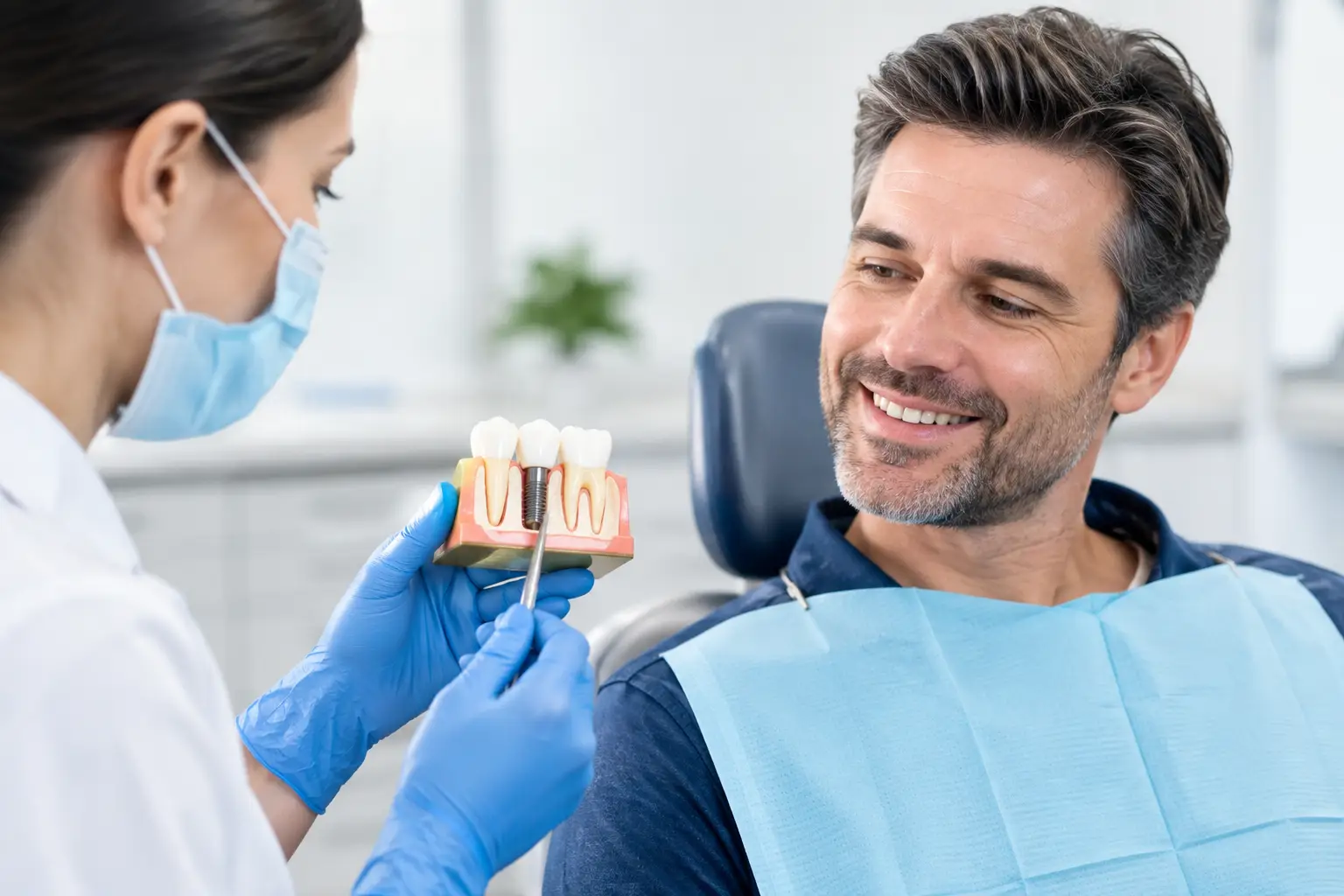
The implants are small titanium fixtures placed into the jawbone. Once they have integrated with the bone, they can support a custom-made denture through carefully designed attachments. This creates a far more secure foundation than the gums alone can provide.
The term can describe two different approaches. An implant-retained overdenture is removable by the patient for cleaning, but clips or clicks securely onto the implants. A fixed full-arch bridge is attached by the dentist and remains in place day to day. Both options can provide excellent stability, but they suit different needs, budgets and cleaning preferences.
Why conventional dentures can become difficult to wear
Conventional dentures remain a valuable tooth replacement option, particularly where surgery is not suitable or a patient prefers a less involved treatment. Yet they can become harder to manage over time.
After teeth are lost, the jawbone gradually changes because it no longer receives the stimulation created by tooth roots. As the ridge of bone reduces, a lower denture in particular may have less surface area to sit on. Patients may notice movement while eating, sore spots, changes in speech or a growing reliance on denture adhesive.
Upper dentures can also cover the palate, which some people find affects taste and their awareness of food texture. A lower implant-retained denture often feels transformative because it is anchored rather than simply balanced on the gum.
Implants do not stop all natural changes in the mouth, and they are not a guarantee that a denture will never need maintenance. They can, however, provide the stability that conventional dentures often cannot.
How many implants are needed?
The number of implants depends on the jaw, the quality and quantity of available bone, bite forces and the type of restoration being planned. There is no single number that suits every patient.
A removable lower overdenture may commonly be retained by two or more implants. More implants may be recommended where additional support and stability are required. Fixed full-arch teeth generally need a greater number of strategically placed implants to distribute biting forces safely.
An upper denture can require a different plan because the bone is often less dense and the palate affects denture design. During a consultation, your dentist will assess scans, gum health, bite and facial support before advising what is clinically appropriate. This planning stage is essential: the aim is not simply to place implants, but to create a restoration that functions well and looks right for you.
Removable overdentures
A removable overdenture is held in place by implant attachments but can be taken out for cleaning. It may be a sensible choice for someone who wants a secure denture without the higher complexity of a fixed bridge.
Because it is removable, cleaning around the implants is straightforward. It can also provide useful lip and facial support where there has been significant bone loss. The trade-off is that it still needs to be removed at night or as instructed, and the small attachment components can wear over time and require periodic replacement.
Fixed full-arch teeth
A fixed implant bridge is secured to the implants by the dental team and is only removed during professional maintenance appointments. It can feel closer to natural teeth because it stays in place when you brush, speak and eat.
This option is not automatically better for every patient. It demands diligent cleaning underneath the bridge, often using interdental brushes and water-cleaning devices as advised. It may also be less suitable if bone, gum health or manual dexterity makes long-term maintenance more challenging.
The treatment process for implant retained dentures
Treatment begins with a detailed consultation and examination. This may include photographs, X-rays or a 3D scan to assess bone levels, identify important anatomical structures and plan implant placement precisely. Your medical history, medications, smoking status and any existing dental concerns will also be reviewed.
If teeth need to be removed, this can sometimes be combined with implant placement. In other cases, a period of healing is recommended before surgery. Where bone volume is limited, bone grafting or other preparatory treatment may be needed. This can lengthen the overall process, but it may be important for the long-term support of the implants.
Implant placement is carried out under local anaesthetic, with additional sedation options sometimes available for suitable patients who feel particularly anxious. Most people describe the recovery as manageable, with temporary swelling or tenderness rather than severe discomfort. Your dentist will provide individual aftercare advice and discuss suitable pain relief.
The implants then need time to integrate with the jawbone. During this healing phase, you may wear a temporary denture or provisional teeth, depending on your treatment plan. Once the implants are stable, impressions or digital scans are taken to create your final denture or bridge. The shape, shade and tooth position are carefully considered so the result complements your face and supports a natural smile.
At Russell Avenue Dental & Implant Centre, treatment planning is consultation-led, allowing time to discuss both the clinical detail and the appearance you hope to achieve before moving forward.
Who may be suitable?
Many adults who have lost most or all of their teeth can be considered for implant treatment. Age alone is not usually the deciding factor. General health, gum condition, bone levels and your ability to maintain the restoration matter more.
Patients with well-managed medical conditions may still be suitable, but this needs careful assessment. Smoking can affect healing and implant success rates, so reducing or stopping smoking is strongly encouraged. Active gum disease must also be treated and stabilised before implants are placed.
Good oral hygiene is essential. Although implant teeth cannot decay, the tissues around implants can become inflamed if plaque is allowed to build up. Untreated inflammation can lead to bone loss around an implant, which is why regular professional reviews are part of protecting your investment.
Eating, speaking and smiling with greater confidence
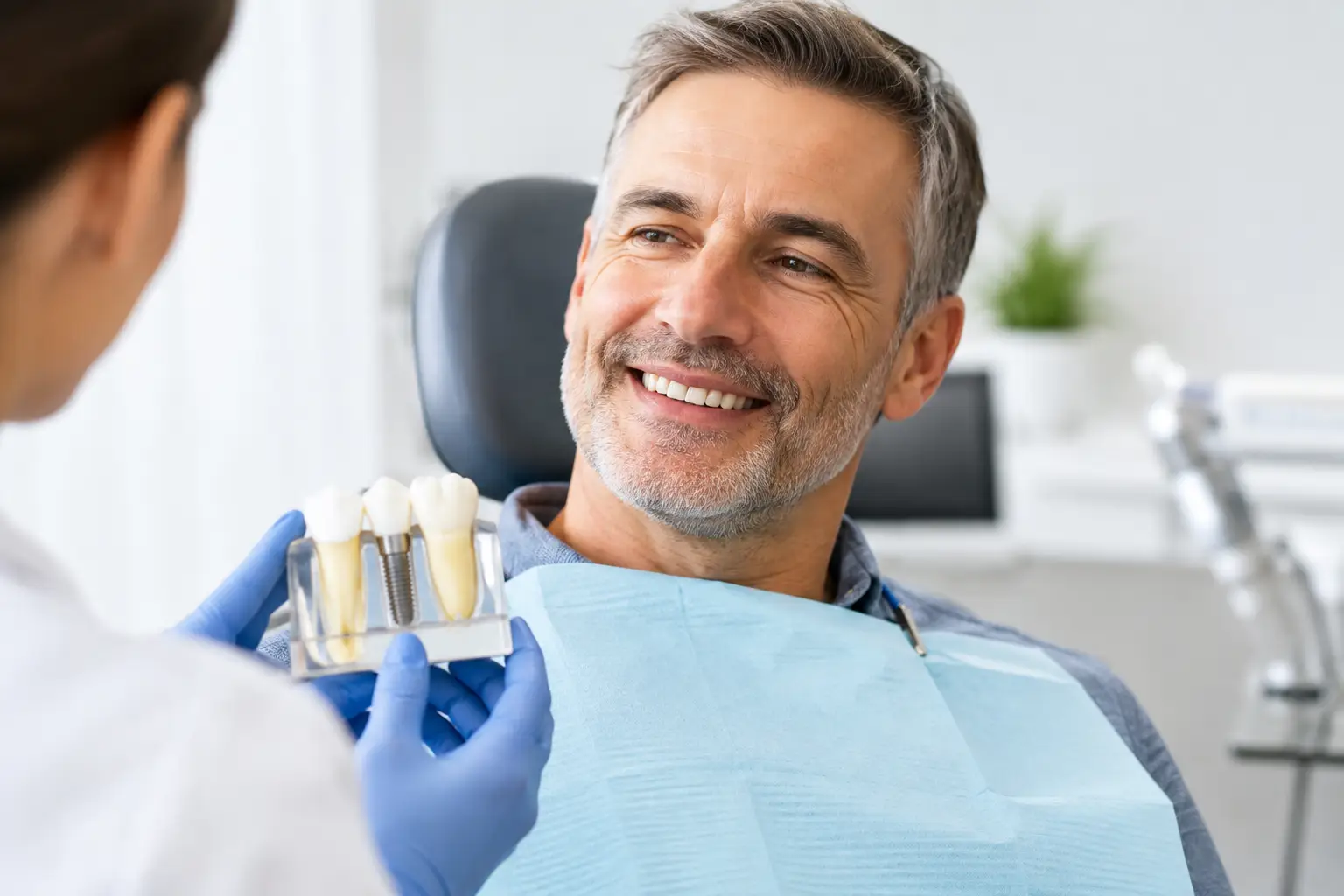
One of the most meaningful benefits of implant retention is predictability. Rather than adjusting your bite around a denture that may lift or move, you can usually speak and chew with greater assurance.
Many patients find that they can enjoy a wider range of foods, although it remains sensible to avoid using any restoration to bite exceptionally hard items. Speech may also improve as the denture is no longer moving against the gums. There can be a short adaptation period, especially if you have worn a conventional denture for many years, but the secure fit is often a noticeable change.
Aesthetic benefits matter too. A well-designed denture can restore tooth shape, improve the appearance of a collapsed bite and provide support for the lips and cheeks. The most successful result is not necessarily the brightest or most uniform smile. It is one that looks balanced, natural and right for your face.
Caring for implants and dentures
Long-term success relies on daily care and regular dental monitoring. Your dentist or hygienist will demonstrate the most suitable cleaning routine for your restoration. For removable dentures, this includes taking the denture out to clean both it and the implant attachments thoroughly. For fixed bridges, you will need to clean above and beneath the bridge every day.
Regular reviews allow the clinical team to assess the health of your gums and bone, check the bite and identify worn attachments, screws or denture components before they become more significant issues. A denture may need relining, repairing or refreshing over the years, just as natural teeth and other restorations need ongoing care.
Is an implant-retained solution worth considering?
Implant treatment represents a greater financial and time commitment than a conventional denture. It involves surgery, diagnostic planning and carefully crafted restorations, and it is not the best route for everyone. For the right patient, though, the improvement in stability, comfort and confidence can make it a highly worthwhile long-term choice.
The most useful next step is a personalised assessment rather than choosing based on an advert or a single price. A careful consultation can show what is possible in your mouth, what treatment would involve and which option will help you feel comfortable smiling, speaking and eating again.