
A missing tooth can affect more than a photograph or a favourite meal. It may change how confidently you speak, how you chew and how you feel when you smile. Knowing how to prepare for implants helps make the process feel more considered and manageable, rather than something you need to rush into.
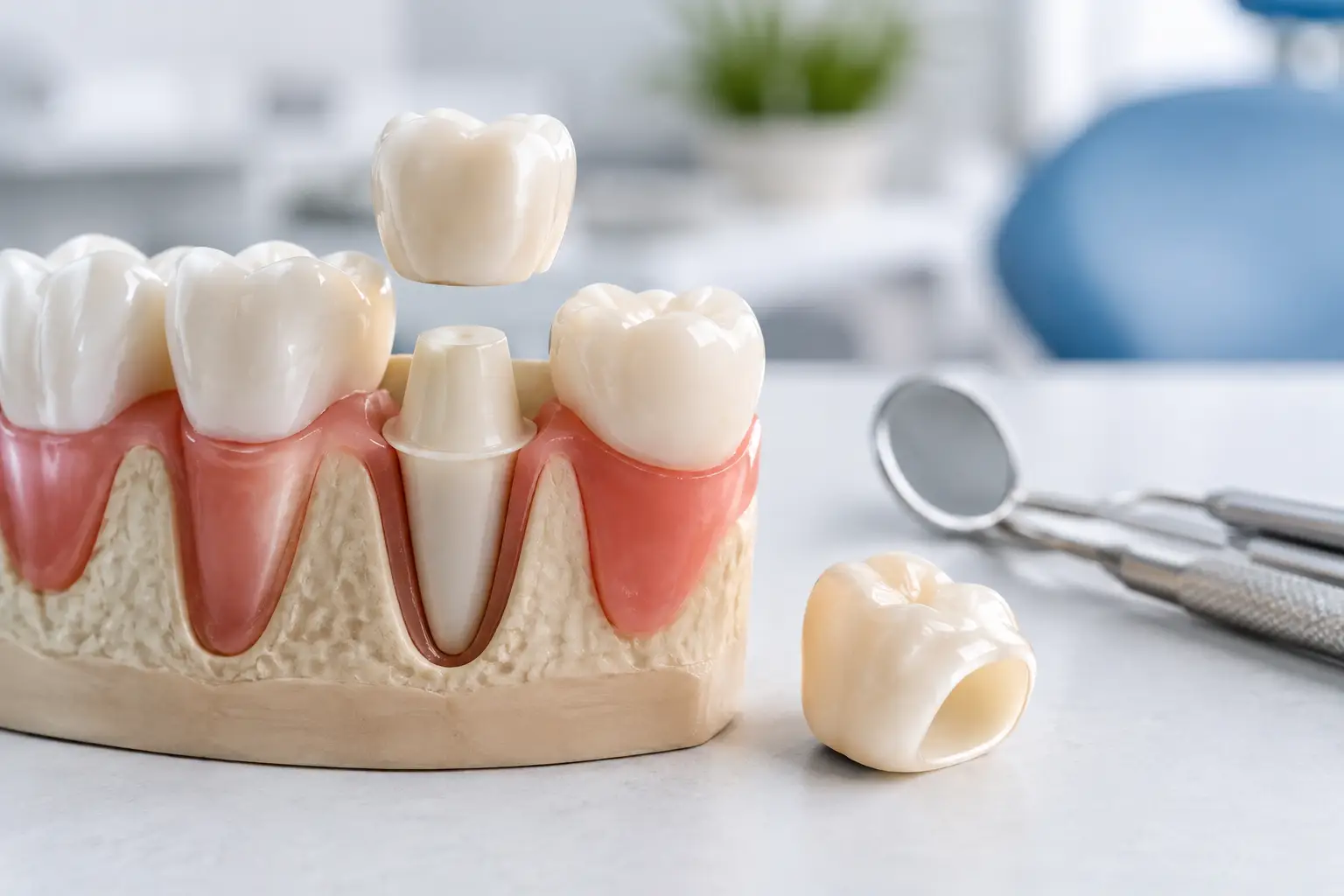
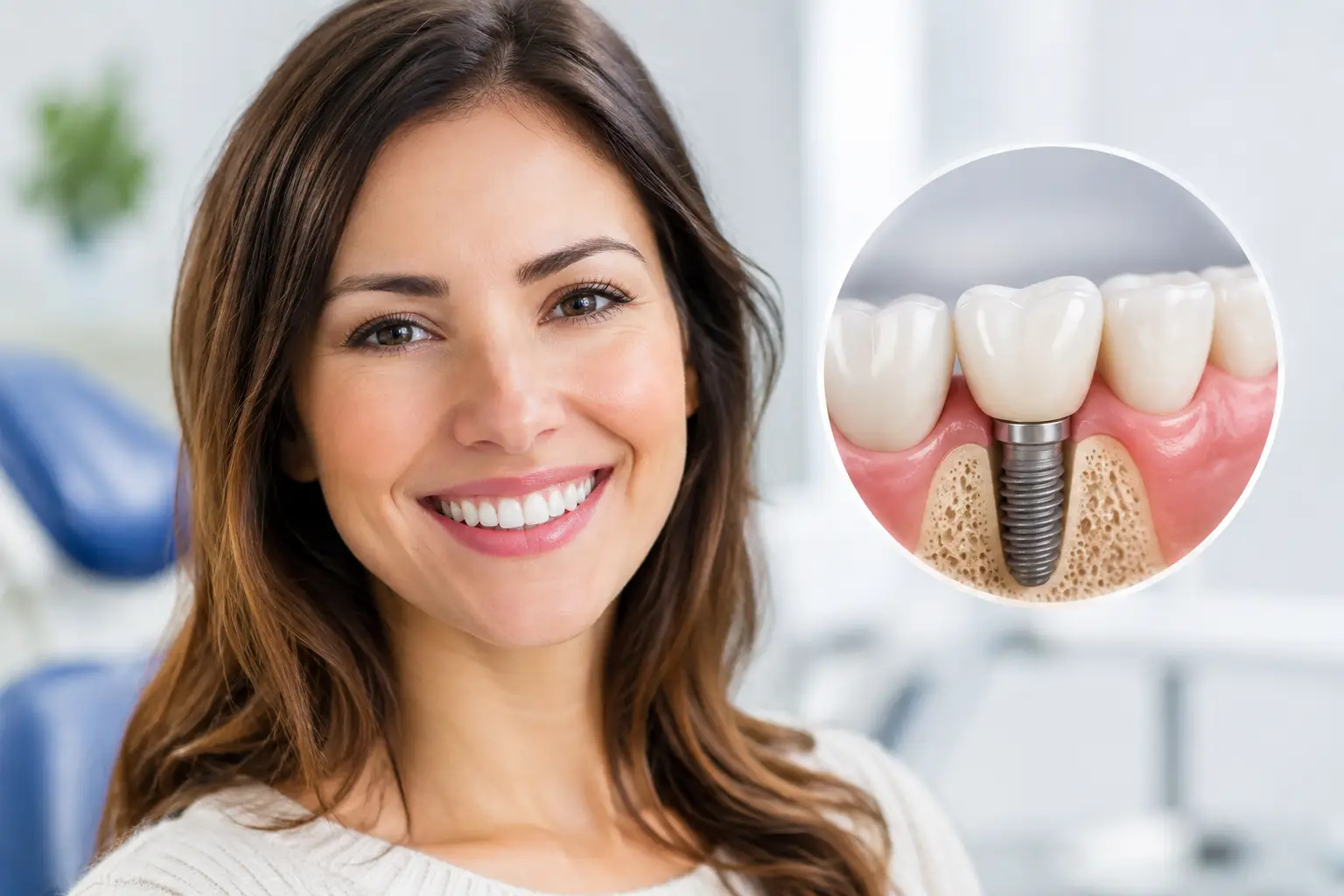
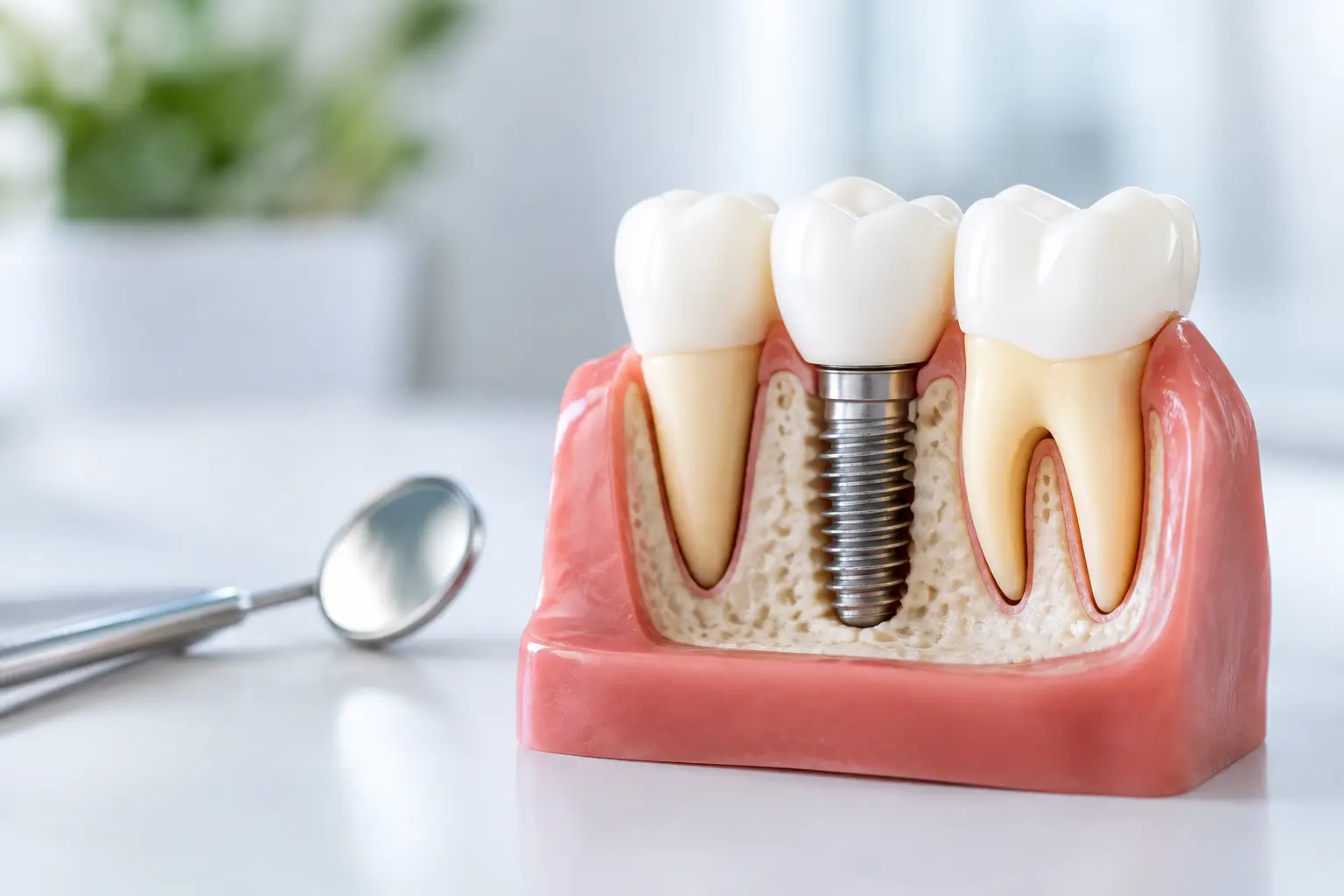
Dental implants are designed to replace missing tooth roots and support a crown, bridge or denture securely. They can offer a natural-looking, long-term solution, but successful treatment starts well before the implant is placed. Your preparation is not about getting everything perfect. It is about giving your dentist the clearest possible picture of your health, your mouth and the outcome you want.
Prepare for implants by starting with a proper assessment
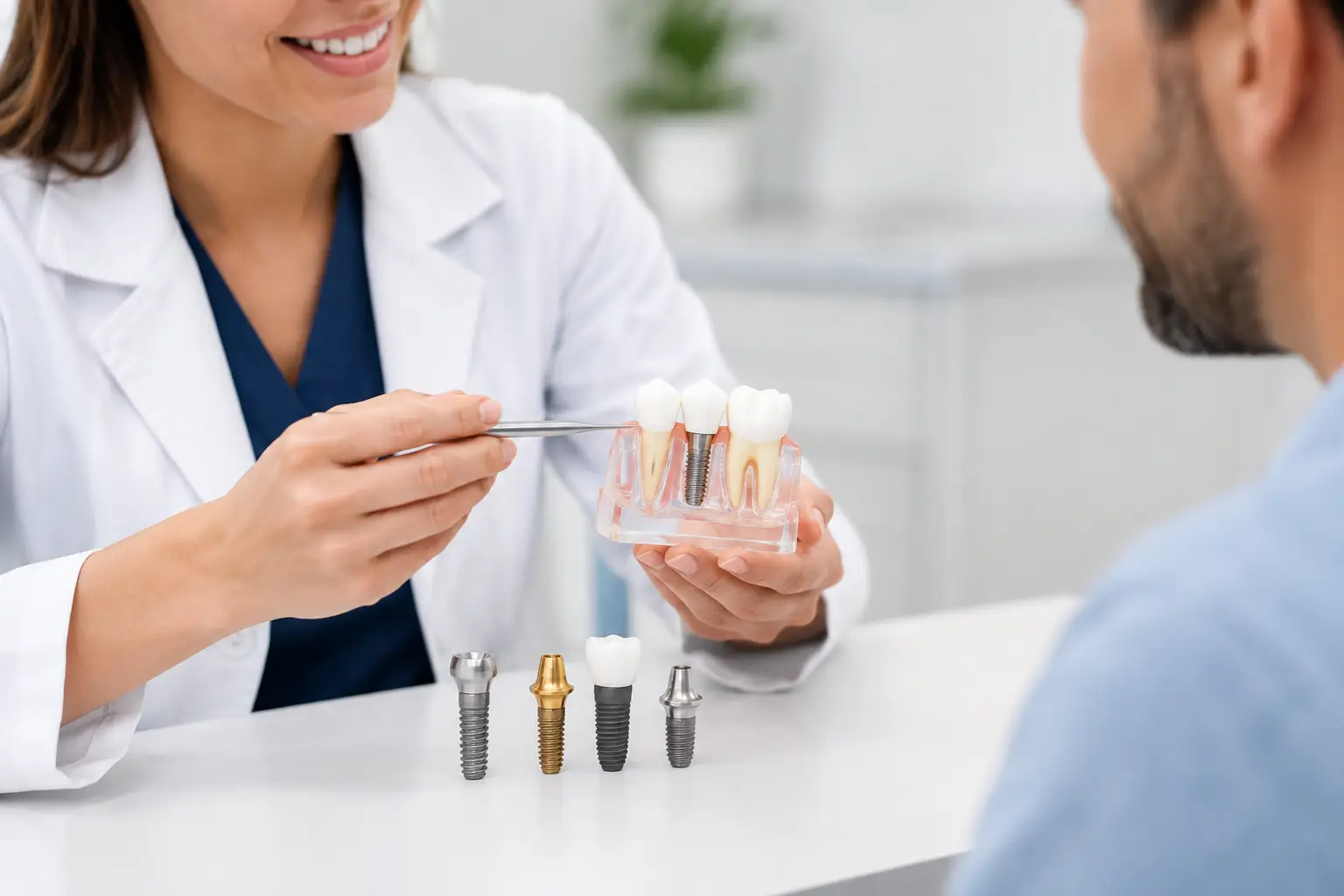
An implant consultation is where treatment becomes personal. Although dental implants follow established clinical principles, no two mouths, bite patterns or treatment goals are exactly alike. Your dentist will examine your teeth and gums, assess the missing-tooth area and discuss what you would like to improve functionally and aesthetically.
Digital X-rays or a 3D scan may be recommended to assess the jawbone in more detail. This helps your clinician plan the precise position, angle and size of an implant while checking the amount and quality of bone available. The scan also shows important structures, such as nerves and sinus spaces, that need to be considered during planning.
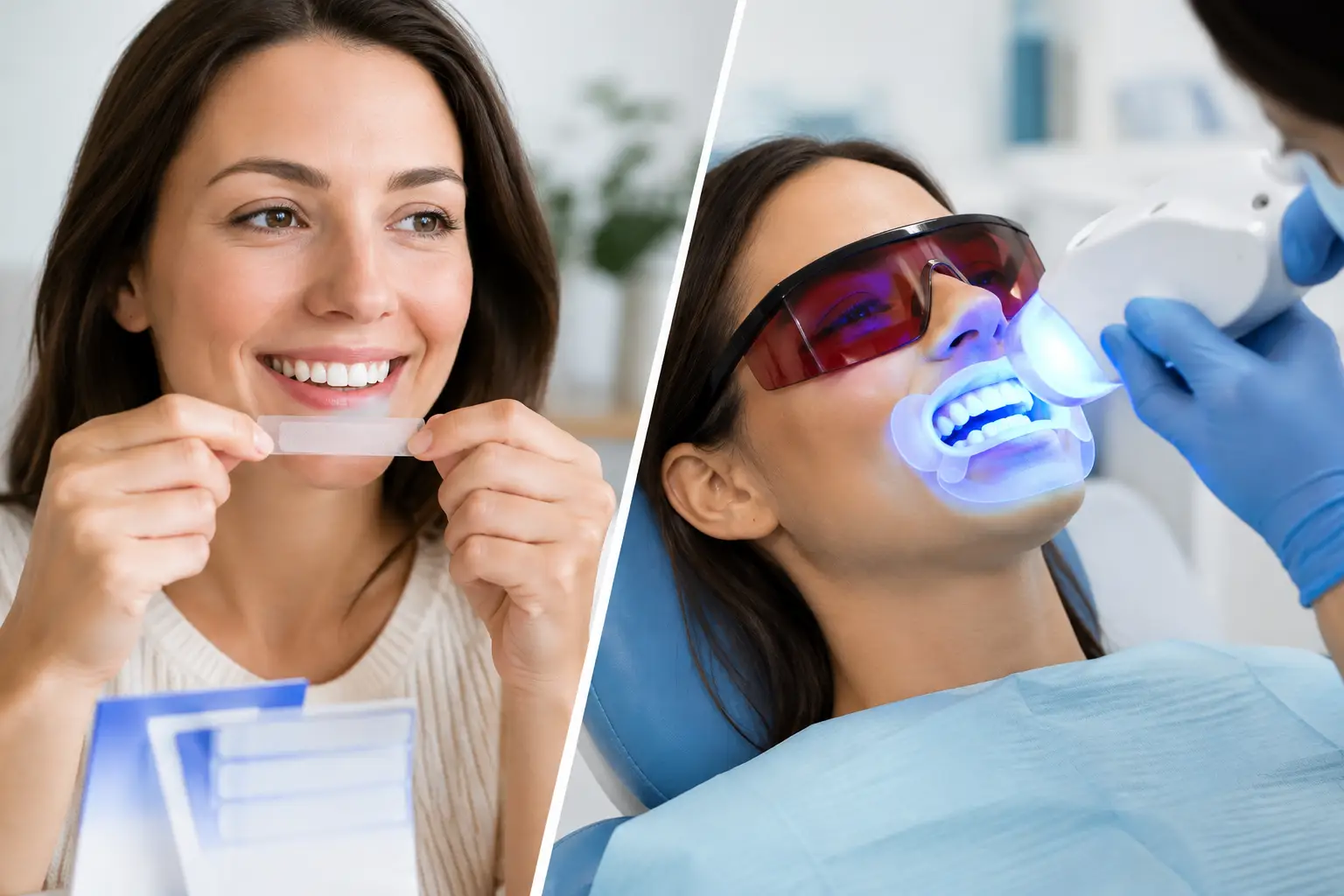
This is a good time to be open about your priorities. You may be most concerned about chewing comfortably again, avoiding a removable denture or restoring a natural appearance in a visible part of your smile. Some patients are also considering whitening, composite bonding or veneers. Discussing the wider smile early allows treatment to be planned in the right order. For example, if you are thinking about whitening, it is often best to do this before the final implant crown is made, as crowns do not change colour after fitting.
Ensure your gums and teeth are healthy first
Implants rely on healthy supporting tissues. Before treatment begins, your dentist will look for gum disease, untreated decay, infection or cracked teeth that may need attention first. This is not an unnecessary delay. Active gum disease can affect the long-term health of both natural teeth and implants, so stabilising it is an essential part of planning.
Professional hygiene care may be advised to reduce inflammation and help you establish a cleaning routine that you can maintain at home. Even though an implant cannot decay like a natural tooth, the gum and bone around it still need careful daily care. Plaque build-up around implants can lead to inflammation and, if left untreated, bone loss.
If you have not visited the dentist for some time, there may be a little more groundwork involved. That does not mean implants are unsuitable. It simply means the best route to a lasting result may involve improving your oral health first.
Share your medical history fully
Your general health matters when planning implant treatment. At your consultation, you should mention all prescribed medicines, over-the-counter products and supplements, along with any medical conditions or recent changes in health. In particular, your dentist needs to know about medicines that affect blood clotting, immune function or bone metabolism.
Conditions such as diabetes do not automatically rule out implants, but good control is important because healing can be affected when blood sugar levels are not well managed. Similarly, previous radiotherapy to the head or neck, certain bone-strengthening medicines and some autoimmune conditions may require additional discussion or coordination with your medical team.
Giving complete information allows your dentist to recommend treatment safely. It also helps avoid last-minute changes to an appointment. Do not stop or alter prescribed medication unless the clinician managing it has advised you to do so.
Think carefully about smoking and alcohol
Smoking is one of the most significant lifestyle factors in implant dentistry. It can reduce blood flow to the gums, slow healing and increase the risk of infection and implant complications. Vaping may also irritate tissues and is not risk-free during healing.
If you smoke, your dentist will discuss the impact honestly and without judgement. Stopping completely gives the best support to healing, while reducing smoking before and after surgery is still preferable to making no changes. If quitting feels difficult, consider using the implant process as a practical reason to seek support from your GP, pharmacy or a stop-smoking service.
Alcohol should also be kept to a minimum around surgery, particularly if you are taking pain relief or antibiotics. Following the post-operative advice you are given matters just as much as the procedure itself.
Ask whether bone grafting is needed
When a tooth has been missing for a long period, the jawbone in that area can gradually shrink. Infection, trauma or previous tooth removal can also leave less bone than is ideal for an implant. In these circumstances, a bone graft may be recommended to rebuild or support the site.
This can sound daunting, but bone grafting is a well-established part of implant treatment. Depending on your situation, it may be carried out at the same time as implant placement or as an earlier stage that needs time to heal first. The trade-off is usually a longer treatment timeline in return for a stronger foundation and more predictable positioning of the final tooth.
Not every patient needs a graft. A detailed scan and examination are the only reliable ways to determine whether it would be beneficial.
Plan the timing around your real life
Implant treatment is usually a process rather than a single appointment. Some patients are suitable for an immediate temporary tooth on the day of implant placement. Others need a healing period before the final restoration is fitted. The timescale depends on factors including the implant site, bone quality, gum health, bite forces and whether grafting is required.
Try to avoid booking surgery immediately before a major presentation, wedding, long-haul flight or demanding social commitment. Many people return to routine activities quickly, but it is sensible to allow time for rest and for any swelling or tenderness to settle. Your dentist can give more tailored guidance based on the procedure planned.
If sedation is being used, arrange for a responsible adult to take you home and stay available afterwards. You should not drive, operate machinery, drink alcohol or make important decisions for the period specified by your clinician. Even without sedation, it is often reassuring to have a quieter day planned.
Prepare your home and meals for the first few days
A little preparation can make recovery more comfortable. Have any recommended pain relief ready before your appointment, along with soft, nourishing food that does not require vigorous chewing. Soup that has cooled, yoghurt, scrambled eggs, mashed vegetables, pasta and smoothies can all be useful options, depending on your dietary needs.
Avoid very hot foods and drinks until any numbness has worn off, as it is easier to accidentally burn your mouth. Hard, crunchy or chewy foods should be avoided near the surgical area while it heals. Your dentist will explain when and how to return to normal chewing.
Keep your schedule light if possible. Swelling often reaches its peak around two to three days after surgery, and a cold compress used as advised can help. Some minor bleeding or bruising can be normal, but you should always contact the practice if bleeding does not settle, pain is worsening rather than improving, or you have concerns about healing.
Commit to the care that protects your result
The implant procedure is only one part of long-term success. Once restored, an implant should be cleaned carefully every day, including around the gumline and between teeth. The exact tools you need may vary – a small interdental brush, floss designed for implant care or another aid may be recommended depending on the shape of your restoration and the spaces around it.
Regular dental examinations and hygiene appointments allow early signs of inflammation, bite changes or wear to be identified before they become more serious. If you grind or clench your teeth, a protective night guard may be advised to reduce excessive pressure on the implant and surrounding teeth.
At Russell Avenue Dental & Implant Centre, planning focuses on creating an outcome that looks natural, feels secure and suits your wider oral health needs. Asking questions is part of that process, not a sign that you are uncertain.
A well-planned implant can be a meaningful investment in comfort, confidence and everyday function. Give yourself permission to take the consultation seriously, understand the stages ahead and choose a plan that feels right for your health and your life.