A tooth with a large old filling, a deep crack or substantial decay can reach a point where another repair is no longer the most dependable answer. Dental crowns are designed to protect what remains of the natural tooth while restoring its shape, strength and appearance. For many patients, they offer a way to keep a compromised tooth functioning comfortably rather than allowing further damage to dictate the next step.
A crown is not simply chosen because a tooth looks imperfect. At a careful examination, the key question is whether the tooth can be predictably restored and, if so, what will give it the best long-term chance. The answer depends on the amount of healthy tooth structure left, the condition of the root, your bite and the position of the tooth in your smile.
What dental crowns are designed to do
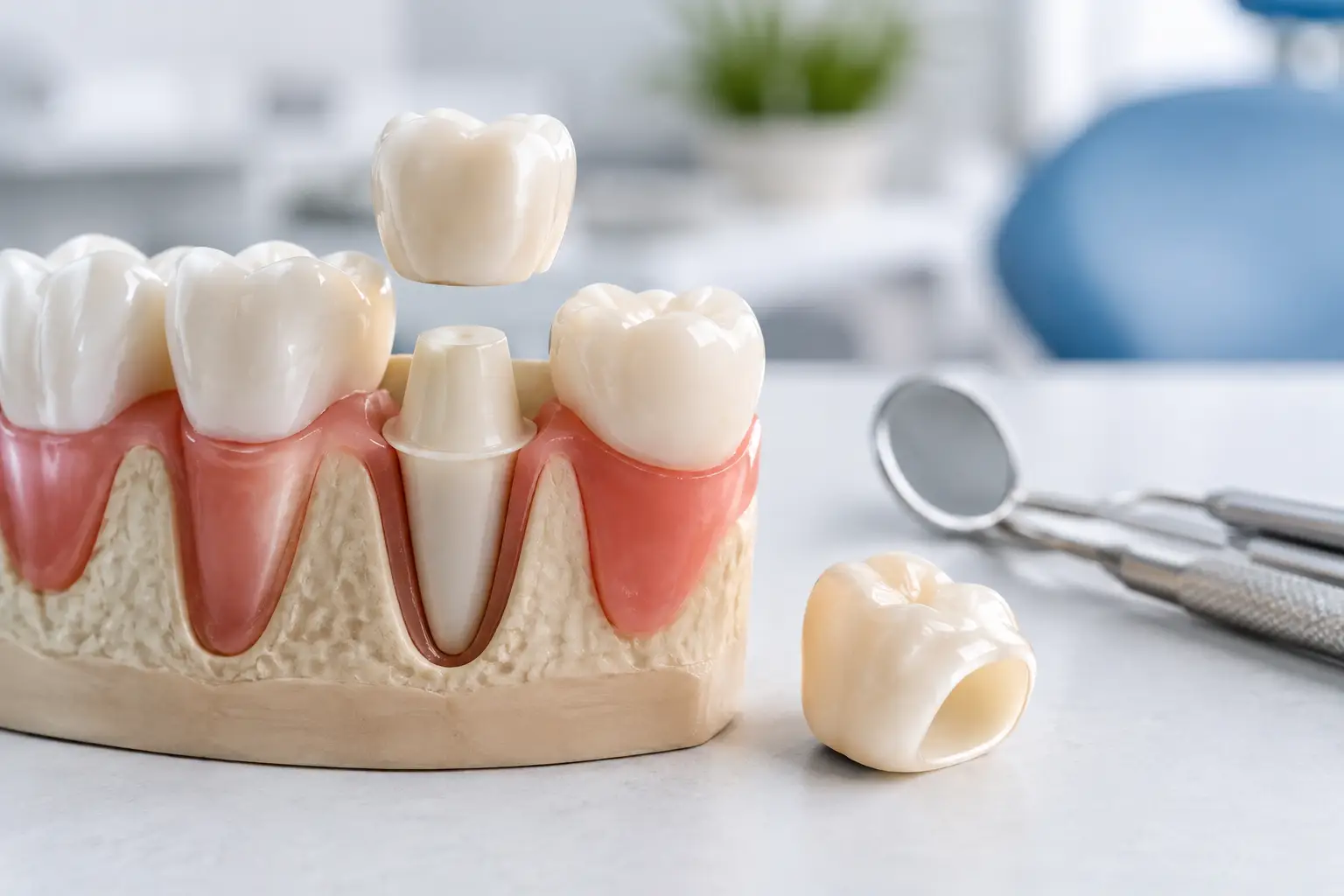
A dental crown is a custom-made restoration that fits over the visible part of a prepared tooth. It acts as a protective outer layer, helping the tooth withstand everyday biting and chewing forces. Unlike a filling, which replaces a section of lost tooth material, a crown covers the tooth more fully.
This can be particularly valuable when the remaining tooth is weakened. Large fillings can leave fine walls of natural enamel that are more likely to fracture under pressure. A well-planned crown brings the tooth back to a stable form, allowing you to chew with greater confidence and helping to protect it from further breakage.
Crowns can also improve appearance. A severely discoloured, worn, misshapen or heavily restored tooth may not sit naturally within the smile. The shade, contours and surface character of a crown can be planned to complement the surrounding teeth, rather than creating a result that looks noticeably different.
When is a crown recommended?
There is no single rule that says a tooth must have a crown. Conservative treatment is usually preferred where it can provide a reliable result. For a small area of decay or a minor chip, a filling or composite bonding may be all that is needed. A crown becomes more relevant when a less extensive restoration is unlikely to provide adequate protection.
Following root canal treatment
A tooth that has needed root canal treatment may have lost a significant amount of its structure through decay, a previous filling or the access needed to treat the inside of the tooth. Back teeth in particular absorb considerable chewing pressure. A crown may be recommended to reduce the risk of the tooth splitting afterwards.
Not every root-treated tooth requires the same approach. The position of the tooth, the amount of remaining tooth tissue and the forces placed on it all matter. Your dentist will assess whether a crown, another type of restoration or monitoring is the appropriate choice.
When a tooth is cracked, broken or heavily filled
Cracks can be difficult because they do not always cause a constant symptom. You may notice pain when biting, sensitivity when releasing your bite, or an occasional sharp sensation with certain foods. If a crack is limited and the tooth is otherwise sound, a crown can sometimes hold the tooth together and prevent the crack from extending.
Where a tooth has already lost a large section, a crown can rebuild its strength and shape. However, a very deep crack that extends into the root may affect the tooth’s long-term outlook. In those circumstances, preserving the tooth may not be possible, and replacement options such as a dental implant may be discussed instead.
As part of a wider restorative plan
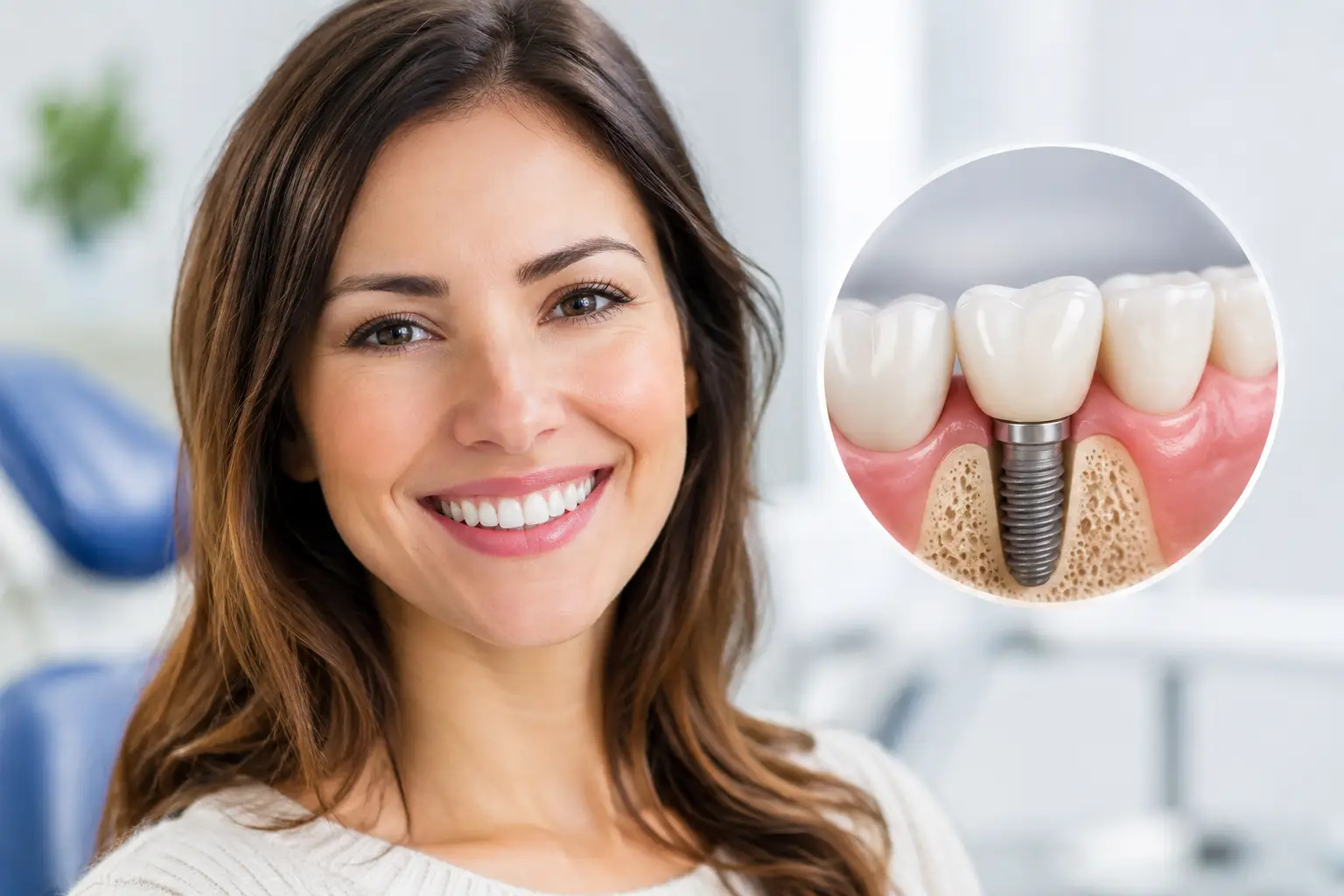
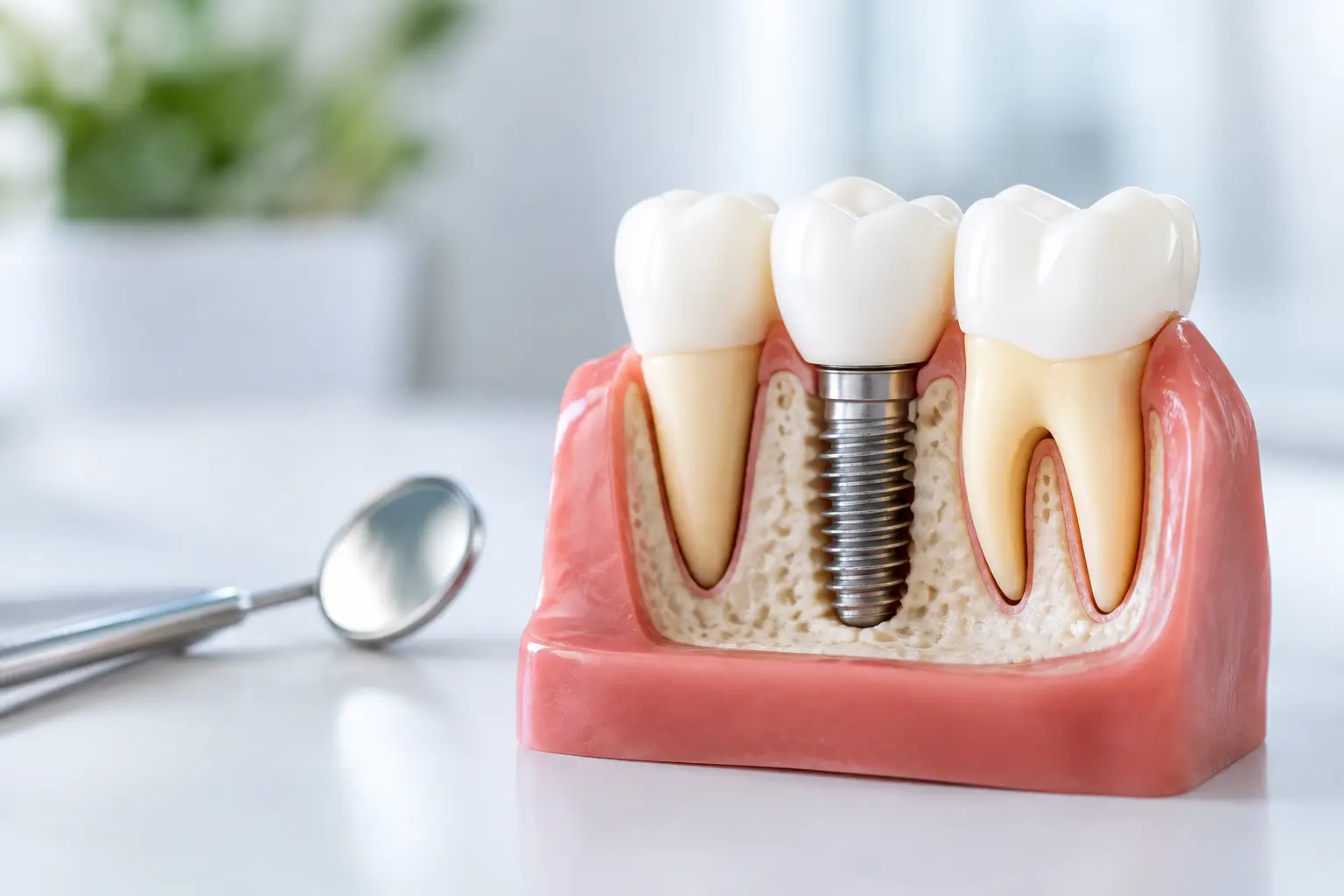
Crowns may also support a bridge, cover an implant or form part of a carefully planned smile rehabilitation. An implant crown replaces the visible tooth above an implant, providing a fixed, natural-looking alternative where a tooth is missing. Although the word crown is used in both situations, a crown on a natural tooth and an implant crown are planned differently because they are supported in different ways.
Choosing a material that suits your tooth and smile
Modern crowns are made from several materials, and the right choice is rarely based on appearance alone. It should also account for durability, the available space, the tooth’s location and how you bite together.
Porcelain and ceramic crowns are popular because they can be matched closely to natural tooth colour and reflect light in an attractive way. They are often suitable for visible front teeth and can also be used for many back teeth. Zirconia is a strong ceramic material that can be particularly useful where there is greater biting pressure, although the ideal level of translucency and strength varies from case to case.
Some crowns combine ceramic with an underlying structure for support. These may be appropriate in certain restorative situations, but the material needs to be selected with care to achieve a natural gumline appearance. For a tooth towards the front of the mouth, details such as shade, shape and how the crown meets the gum can make a meaningful difference to the final result.
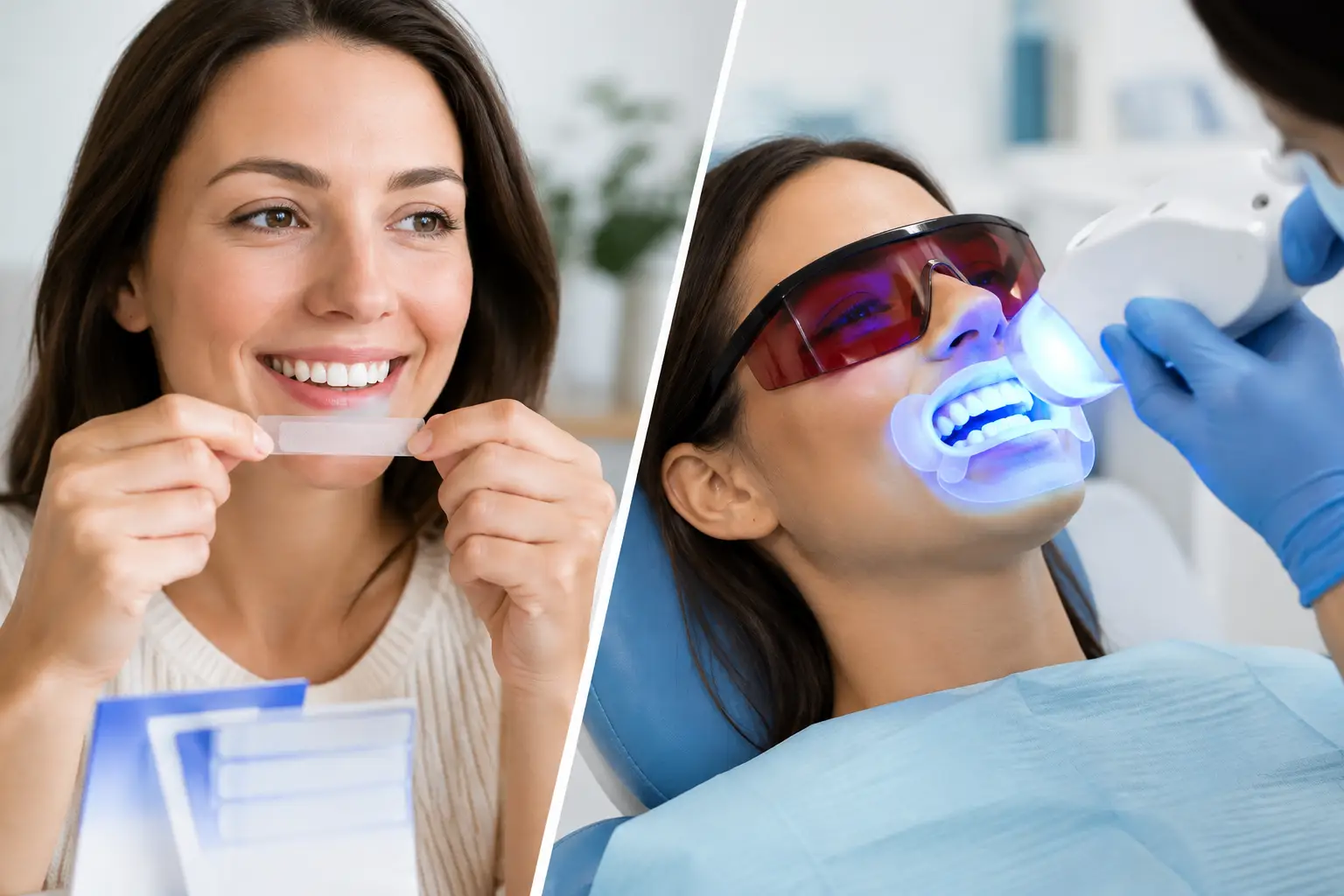
A consultation should also consider the neighbouring teeth. If you are considering whitening, it is often sensible to complete this first, as a crown will not lighten in the same way as natural enamel. The final crown shade can then be selected to work with your brighter smile.
How a crown is fitted
Crown treatment is usually completed over two appointments, although the process can vary. At the first visit, the tooth is examined and prepared by removing any decay or old failing restoration and shaping the tooth carefully to create room for the crown. If the tooth needs additional support, a core build-up may be placed first.
An impression or digital scan is then used to create the crown precisely. You will normally wear a temporary crown while the final restoration is being made. This protects the prepared tooth and allows you to continue with daily life, but temporary crowns require a little care. Avoid particularly sticky foods and contact the practice if it becomes loose or breaks.
At the fitting appointment, the finished crown is checked for its fit, appearance and bite. Small refinements may be made before it is bonded securely in place. A properly adjusted bite is essential. Even a beautifully made crown can feel uncomfortable if it meets the opposing teeth too heavily.
Looking after a crown for the long term
A crown does not decay, but the tooth beneath it and the gum around it still need protection. Brushing twice daily with fluoride toothpaste, cleaning between the teeth and attending regular examinations remain essential. Plaque can collect where the crown meets the natural tooth, increasing the risk of decay at the edge if cleaning is inconsistent.
Crowns can last many years, but no restoration has a fixed expiry date. Their lifespan is influenced by oral hygiene, diet, biting forces, tooth grinding and the health of the supporting tooth. If you clench or grind your teeth, a night guard may help protect both the crown and your natural teeth from excessive wear.
Contact your dentist if you notice persistent sensitivity, a change in your bite, discomfort when chewing, a loose crown or bleeding around the gumline. Early assessment can sometimes prevent a small issue from becoming a more complex repair.
A crown is one option, not an automatic answer
It is understandable to want the quickest route to a stronger-looking tooth, but the most appropriate treatment is individual. In some cases, composite bonding or an onlay can preserve more natural tooth structure. In others, the tooth may be too damaged to support a crown predictably, making extraction and an implant-supported replacement a more secure long-term option.
At Russell Avenue Dental & Implant Centre in St Albans, crown treatment begins with understanding the tooth, your oral health and the outcome you want to achieve. A clear assessment allows treatment to be planned around both function and appearance, so you can make a decision with a realistic view of the benefits, limitations and future care involved.
If a tooth feels vulnerable, do not wait for it to fracture further before seeking advice. A thoughtful consultation can clarify whether a crown can protect your natural tooth or whether another restorative option will better support your smile for the years ahead.