A dental implant may be small, but the material selected for it has a lasting role in how confidently you eat, speak and smile. If you are researching how to choose implant material, it helps to know that the decision is not simply about choosing the strongest option. Your oral health, the position of the missing tooth, your bite, aesthetic priorities and medical history all shape the right recommendation.
For most patients, implant treatment is highly predictable because the materials used have been carefully developed and tested over many years. A consultation allows your dentist to assess the details that an online comparison cannot: the quality of your jawbone, gum health, the pressure placed on the restoration and how the final tooth needs to look alongside your natural smile.
What does implant material mean?
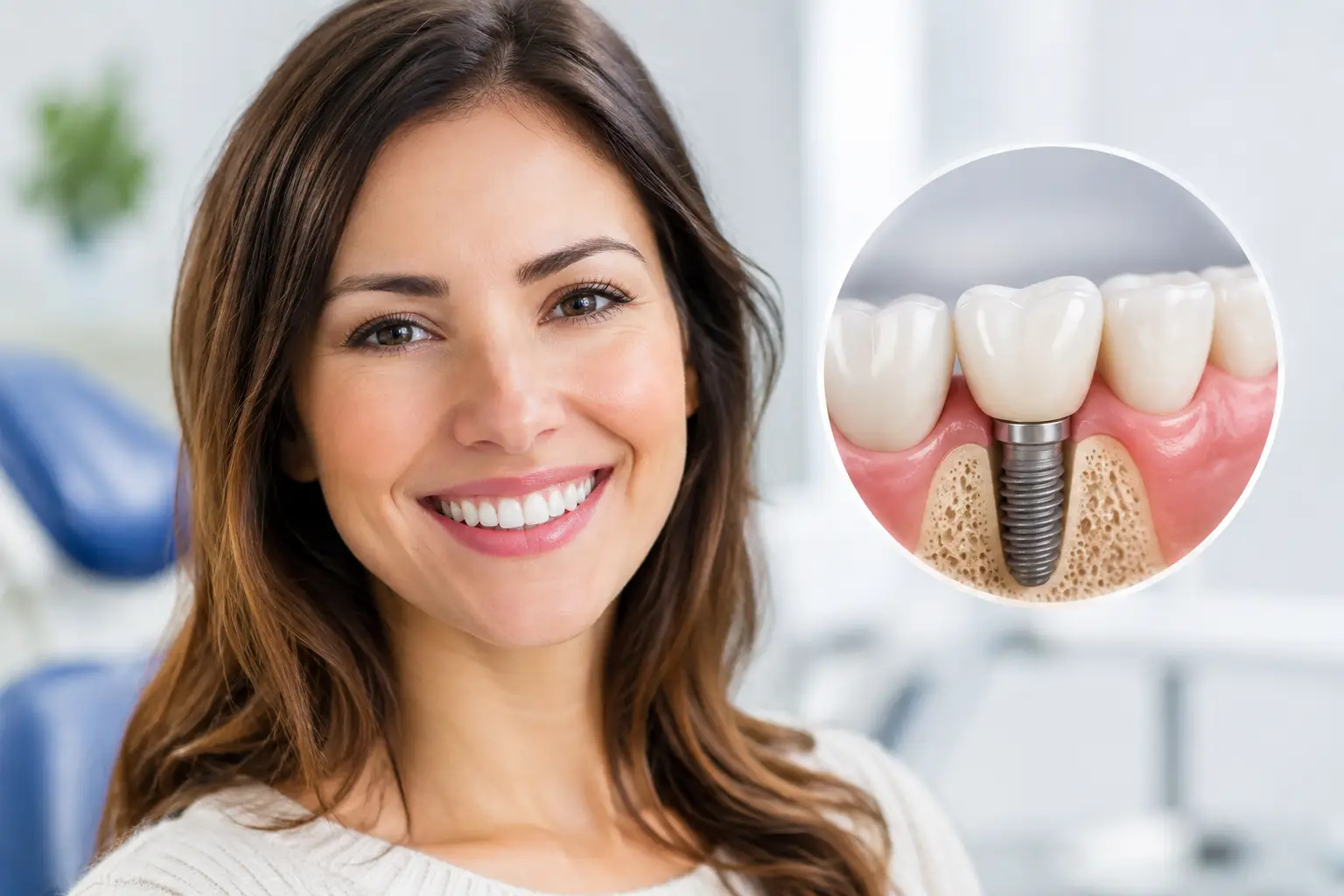
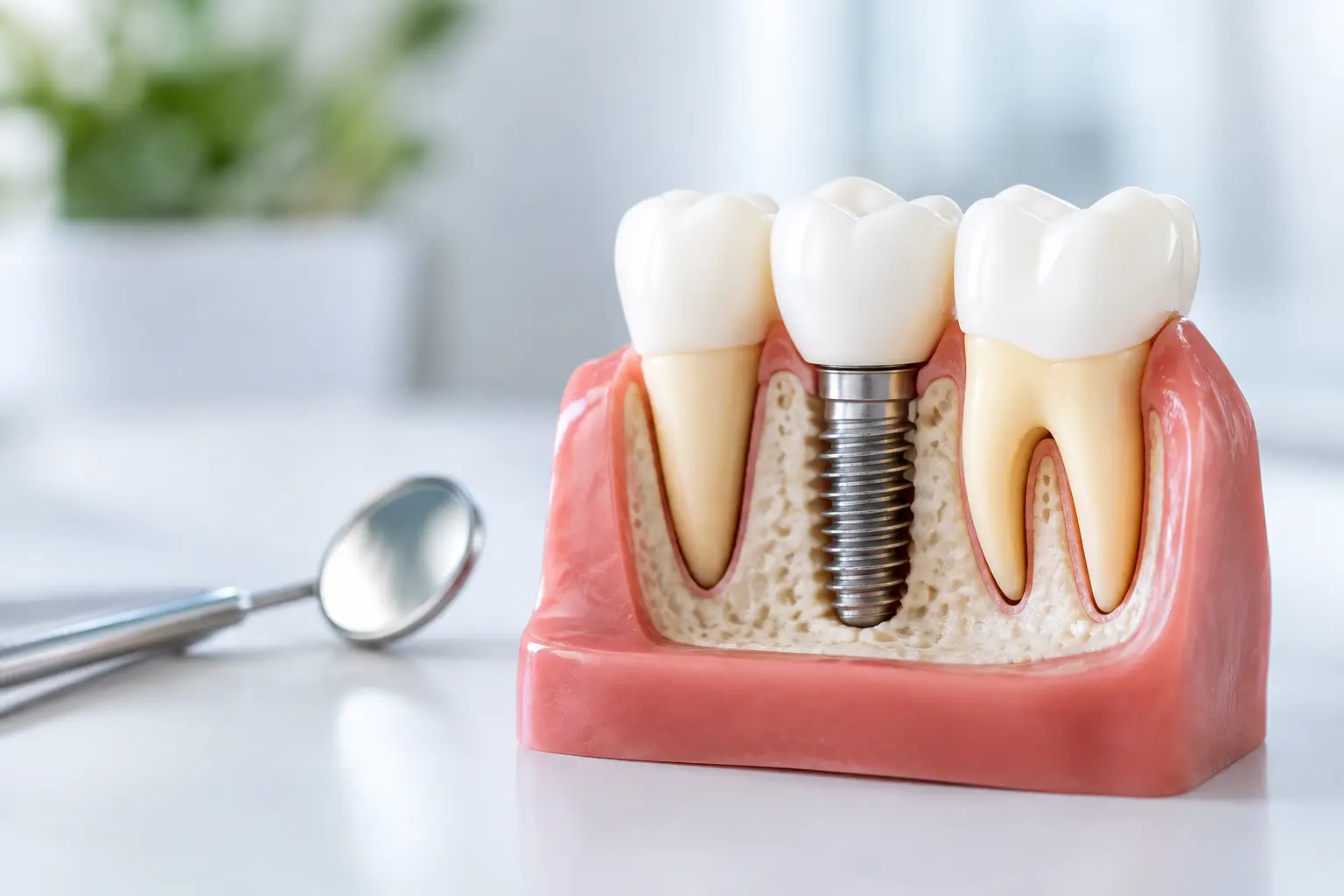
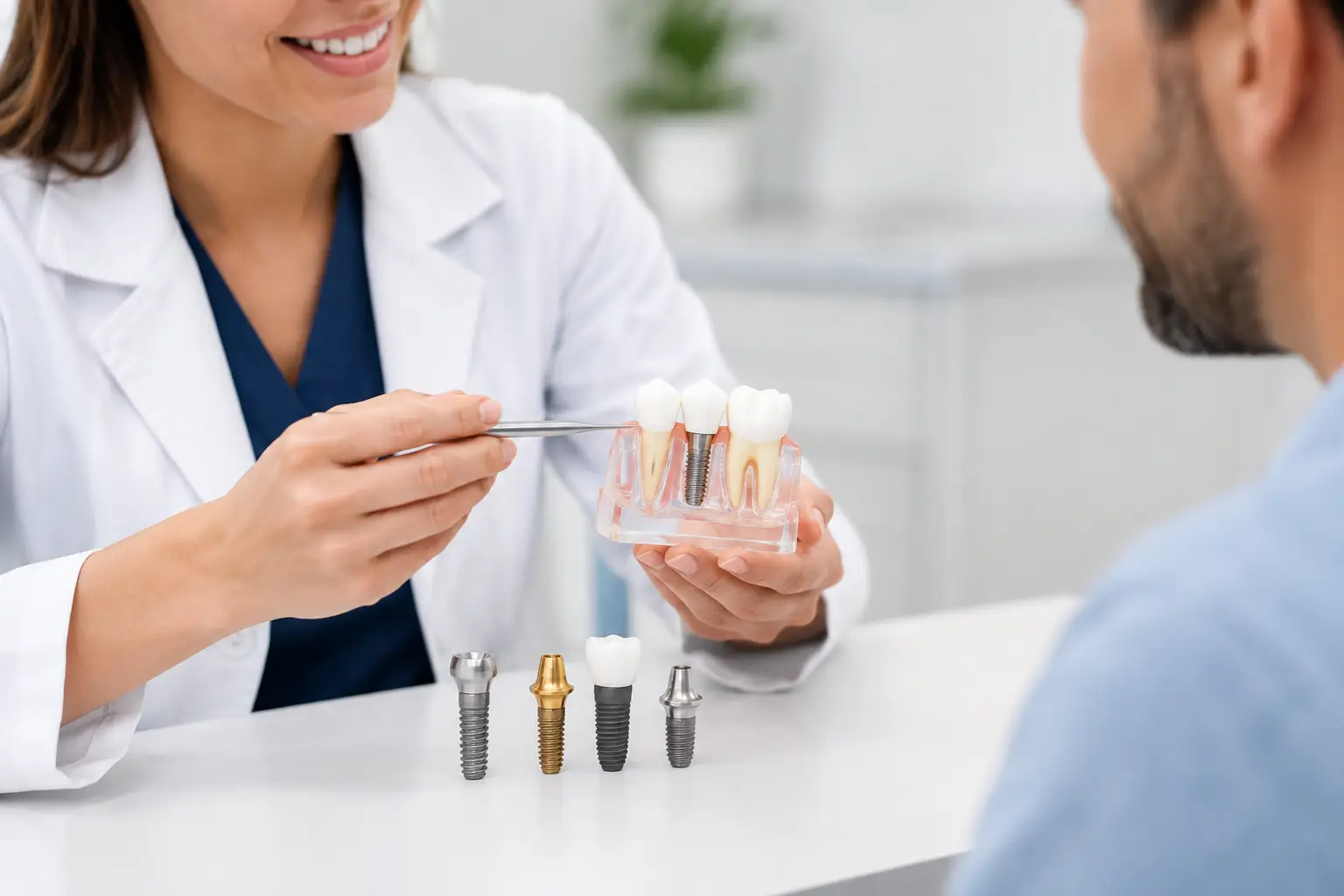
When people talk about implant material, they may mean two different parts of treatment. The implant itself is the small post placed in the jawbone to replace a tooth root. The visible replacement tooth, usually a crown, is attached to that implant after healing.
These components do not have to be made from the same material. The implant post is most commonly titanium, while the crown may be porcelain, zirconia or another carefully selected ceramic. Choosing both parts well is what produces a restoration that feels secure, functions naturally and suits your smile.
Titanium implants: the established choice
Titanium is the most widely used dental implant material. It is valued because it is strong, lightweight and biocompatible, meaning the body generally accepts it well. Over time, bone can bond directly with the implant surface through a process called osseointegration. This stable connection is what enables an implant to support a crown, bridge or, in some cases, a full arch of replacement teeth.
For many patients, titanium is the appropriate choice because it has a long clinical track record and is suitable for a broad range of situations. It can be used for front and back teeth, and it performs well when carefully planned around the forces of your bite.
Titanium implants are usually grey in colour, but this is rarely visible. The implant sits within the jawbone and beneath the gum line. In areas where gum tissue is particularly thin, your dentist will consider the soft tissue carefully as part of the aesthetic plan.
Zirconia implants: an alternative in selected cases
Zirconia is a white ceramic material. Zirconia implants may appeal to patients who would prefer a metal-free option or who have specific aesthetic concerns around very thin gum tissue. They are also biocompatible and have grown in use within modern implant dentistry.
However, zirconia is not automatically the better choice because it is tooth-coloured. Implant design, available bone, the need to manage bite forces and the complexity of the restoration all matter. Titanium has the longer evidence base and offers considerable flexibility across complex cases. Zirconia can be an excellent option for the right patient, but it requires thoughtful case selection rather than a one-size-fits-all approach.
If you have concerns about metal sensitivity or allergies, raise them at your consultation. True titanium allergy is considered uncommon, but your dentist should understand your medical history and concerns before recommending treatment.
Choosing the crown material
The implant crown is the part seen when you smile. It needs to look like a natural tooth, but it also needs to withstand daily use. The ideal material will depend greatly on where the tooth sits in your mouth.
Porcelain and ceramic crowns
Porcelain-based and all-ceramic crowns are often chosen for their lifelike appearance. They can reflect light in a way that closely resembles natural enamel, making them particularly useful for teeth visible in the smile line. Your dentist can select the shade, shape and surface character to complement neighbouring teeth rather than creating a crown that looks unnaturally bright or uniform.
A ceramic crown may be a strong choice for a front tooth, where subtle colour matching matters. It can also work well elsewhere in the mouth, depending on your bite and the specific ceramic used.
Zirconia crowns
Zirconia crowns are known for strength and durability. They are often considered for back teeth, where chewing forces are higher, and for patients who clench or grind their teeth. Modern zirconia can also be made with very natural translucency, so it is no longer limited to less visible areas of the mouth.
The trade-off is that the strongest materials can sometimes be less translucent than more delicate aesthetic ceramics. This is why the best crown for a back molar may not be the best crown for a prominent front tooth.
Porcelain fused to metal crowns
Porcelain fused to metal has been used successfully in dentistry for many years. It combines a metal substructure with a porcelain outer layer. While it remains a viable option in certain circumstances, all-ceramic alternatives are often preferred where highly natural aesthetics are the priority. A metal edge can occasionally become more noticeable if gums recede over time, particularly around front teeth.
How to choose implant material for your individual needs
The most useful question is not, “Which implant material is best?” It is, “Which material is best for my mouth and my treatment goals?” A careful assessment brings several factors together.
The location of the tooth is central. A front tooth is judged closely for colour, shape and the way it meets the gum line. A molar must cope with substantial biting pressure. An implant-supported bridge requires different planning again, because the materials must support more than one replacement tooth.
Your bite also matters. If you grind your teeth at night, bite heavily or have worn teeth, a stronger crown material may be advisable. In some cases, a protective night guard is recommended after treatment to help protect both the implant crown and your natural teeth.
Gum health and bone volume are equally important. An implant can only perform well when it is supported by healthy surrounding tissues. If gum disease is active, this should be treated and stabilised before implant placement. Where bone has reduced after tooth loss, a bone graft or other preparatory treatment may be discussed before choosing the final implant approach.
Your aesthetic expectations deserve an open conversation too. Bringing photographs of your smile before a tooth was lost, or explaining what you would like to change, can help guide shade and shape decisions. A natural-looking result is not always the whitest possible crown. It is usually one that sits comfortably within the colour and character of your own teeth.
Why planning matters more than a material label
It is understandable to compare titanium with zirconia, or porcelain with zirconia crowns, before booking a consultation. Yet material alone does not determine success. Precise implant positioning, good oral hygiene, healthy gums, quality laboratory work and a crown designed for your bite are all essential.
This is particularly relevant when replacing a visible tooth. Even an excellent crown material cannot compensate for an implant that is placed without sufficient attention to the gum line, neighbouring teeth or the final smile design. Digital imaging, clinical examination and detailed planning help your dentist work backwards from the intended result.
At Russell Avenue Dental & Implant Centre, implant consultations are designed to give patients a clear understanding of the treatment process, suitable options and the reasons behind each recommendation. You should feel able to ask why a particular implant or crown material has been suggested, what alternatives exist and how each choice may affect appearance, longevity and cost.
Questions worth asking at your consultation
It can be helpful to ask whether the recommended material is selected primarily for strength, appearance or a balance of both. You may also wish to ask how your bite affects the choice, whether your gums or bone need treatment first, and how the crown will be matched to adjacent teeth.
Ask about maintenance as well. Implant crowns cannot decay in the way natural teeth can, but the gums and bone around them still need regular care. Thorough brushing, cleaning between teeth and attending routine dental reviews help protect the long-term health of the implant site.
A well-chosen implant restoration should not draw attention to itself. It should let you enjoy meals, speak freely and smile without thinking about the gap that was once there. The right material is the one selected around your health, bite and appearance, then placed as part of a carefully planned treatment that supports you for years to come.