A smile can change gradually enough that it is easy to miss the signs. Teeth may look shorter than they once did, their edges can appear flatter or more translucent, and old fillings may begin to stand proud of the surrounding enamel. Tooth wear restoration is not simply about improving appearance. When planned carefully, it can protect vulnerable teeth, improve bite comfort and help you feel more confident showing your smile.
Tooth wear is common, but the right treatment is never a one-size-fits-all decision. The amount of enamel lost, the cause of the wear, the condition of the gums and teeth, and the way your jaws meet all influence the most suitable approach. A thorough dental assessment provides the clarity needed before any restorative work begins.
What causes teeth to wear down?
Tooth wear occurs when the hard outer surface of the tooth is gradually lost. It may result from one cause or a combination of factors, which is why identifying the pattern of wear matters as much as restoring what has been lost.
Grinding or clenching, often during sleep, can place repeated pressure on the teeth and flatten their biting surfaces. This is known as attrition. Some people are aware of jaw tension, morning headaches or a partner noticing grinding noises, while others have no obvious symptoms.
Acid can also soften enamel, making it more prone to wear. Frequent acidic drinks and foods may contribute, but so can medical conditions such as acid reflux. In these cases, the enamel may look smooth, thin or cupped rather than simply flat. Abrasion is another factor, commonly caused by overly vigorous brushing or an abrasive toothpaste, particularly around the gumline.
Bite changes, missing teeth and older restorations can complicate the picture. When one area of the mouth is not functioning as it should, other teeth may take more force than they were designed to manage. This can accelerate wear and lead to chipping, sensitivity or cracking.
Tooth wear restoration starts with the cause
Restoring worn teeth without addressing the reason for the wear may lead to a disappointing result. New composite or ceramic restorations need to be protected, particularly where clenching, erosion or an unstable bite is involved.
Your dentist will examine the teeth, gums and bite, and may take photographs, digital scans or X-rays where clinically appropriate. These records help to show the extent of the wear and provide a useful baseline for future monitoring. They also allow treatment to be planned around your facial appearance, tooth proportions and the way you speak and chew.
If grinding is a concern, a custom-made night guard may be recommended once treatment is complete, or sometimes beforehand. Where dietary acids are playing a role, small practical changes may help protect the enamel that remains. If reflux is suspected, it may be sensible to discuss this with your GP alongside dental care. The aim is not to remove every normal risk from daily life, but to make restoration a long-term investment rather than a short-term repair.
Which tooth wear restoration treatment is right for you?
The most appropriate option depends on how much healthy tooth structure remains and what you would like to improve. In many cases, conservative treatment is possible. In more advanced cases, a staged approach can rebuild both appearance and function.
Composite bonding for early or localised wear
Composite bonding uses a tooth-coloured resin to rebuild chipped, shortened or uneven edges. It can be an excellent option when wear is limited or when patients would prefer to preserve as much natural tooth tissue as possible. The material is shaped directly onto the tooth, allowing your dentist to refine the length, contour and symmetry of the smile.
Bonding can often be completed with little or no removal of healthy enamel. It is also easier to repair than ceramic if a small chip occurs. However, composite can pick up surface staining over time and may wear more quickly in patients with a powerful bite or ongoing grinding. Regular polishing and occasional maintenance are normal considerations, rather than a sign that the treatment has failed.
Porcelain veneers for visible smile changes
Porcelain veneers are fine ceramic coverings bonded to the front surface of selected teeth. They may be suitable where tooth wear affects the visible front teeth and there is also a desire to improve colour, shape or minor unevenness.
Ceramic retains its colour well and can create a highly natural, light-reflective finish. It is not automatically the best option for every worn tooth, however. Veneers require careful case selection, and some preparation of the tooth may be needed. They are usually considered when the benefits in durability and appearance outweigh a more conservative composite approach.
Crowns, onlays and more comprehensive rebuilding
Where a tooth is extensively worn, cracked, heavily filled or structurally weakened, a crown or ceramic onlay may offer greater protection. These restorations cover or reinforce the chewing surface and can restore the tooth to a stronger, more functional shape.
For patients with wear across many teeth, treatment may involve rebuilding the bite in stages. This is sometimes called full-mouth rehabilitation, but the plan should still feel manageable. It may begin with a small number of teeth to test a new bite position before moving on to the remaining areas. This approach takes time and detailed planning, yet it can be valuable where tooth wear has significantly changed the height, comfort or appearance of the smile.
When missing teeth are part of the problem
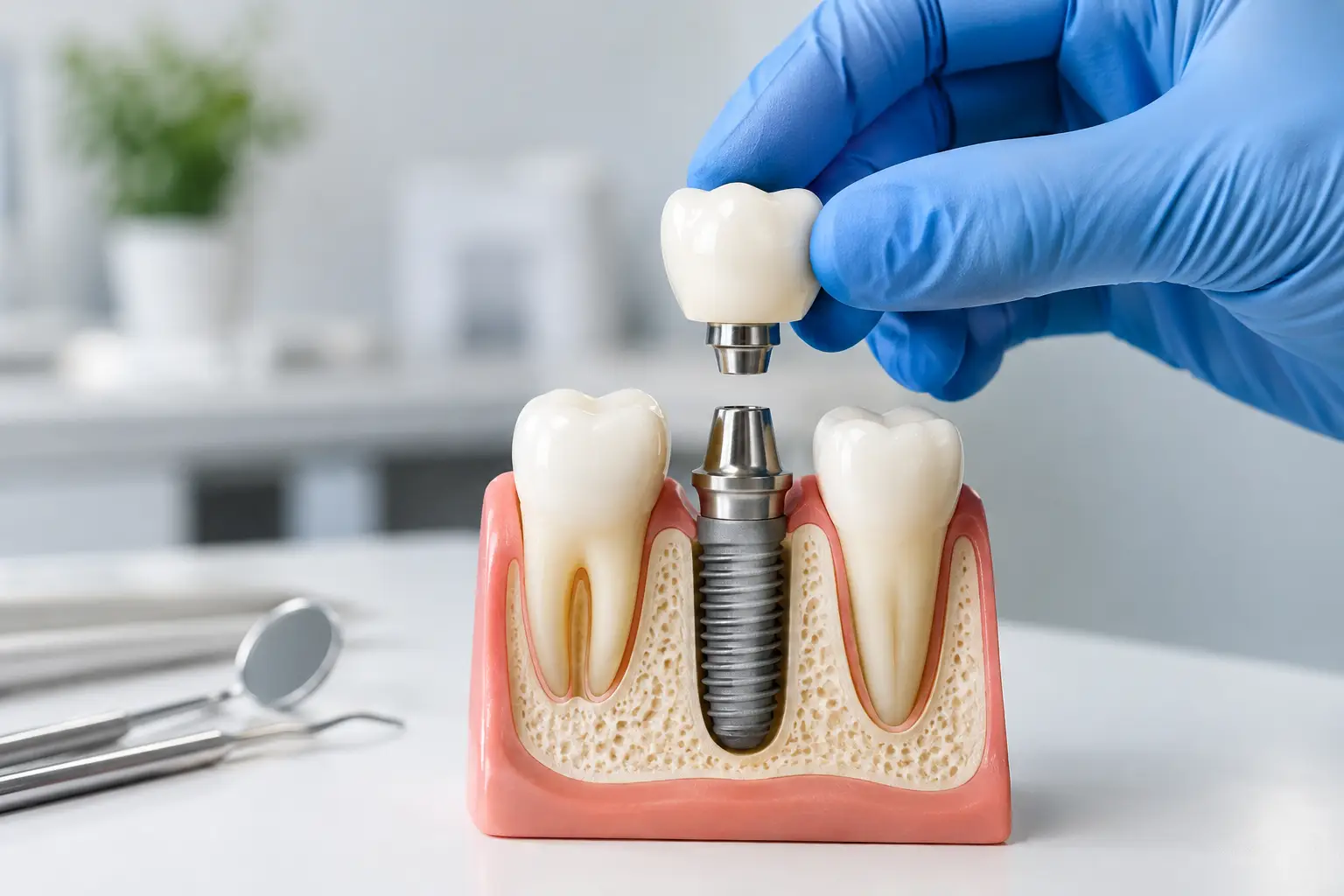
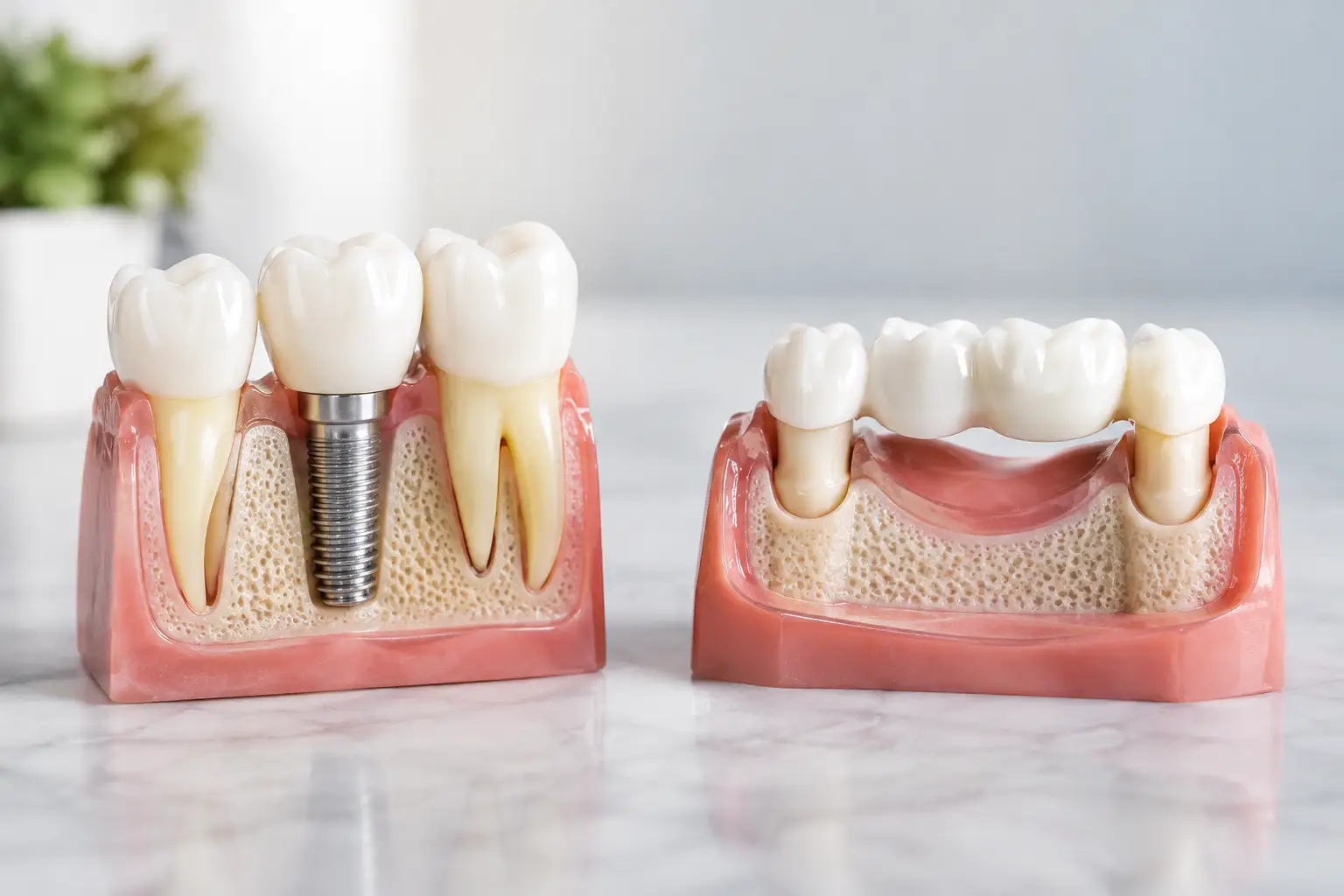
A gap can alter how force is distributed across the mouth, particularly if neighbouring teeth have shifted or remaining teeth are being overused. Dental implants may be considered when a tooth is missing and a fixed, natural-looking replacement is needed. An implant replaces the tooth root, then supports a custom-made crown that is designed to work in harmony with the surrounding bite.
Implants do not treat enamel wear directly, but replacing a missing tooth can be an important part of a wider restorative plan. It may help create a more balanced foundation before worn teeth are rebuilt.
What to expect from treatment planning
A high-quality result should look considered, not overdone. The aim is to restore teeth that are in proportion with your face, feel comfortable when you bite and suit the character of your smile. This is especially important with worn teeth, where adding too much length or bulk can affect speech, comfort and appearance.
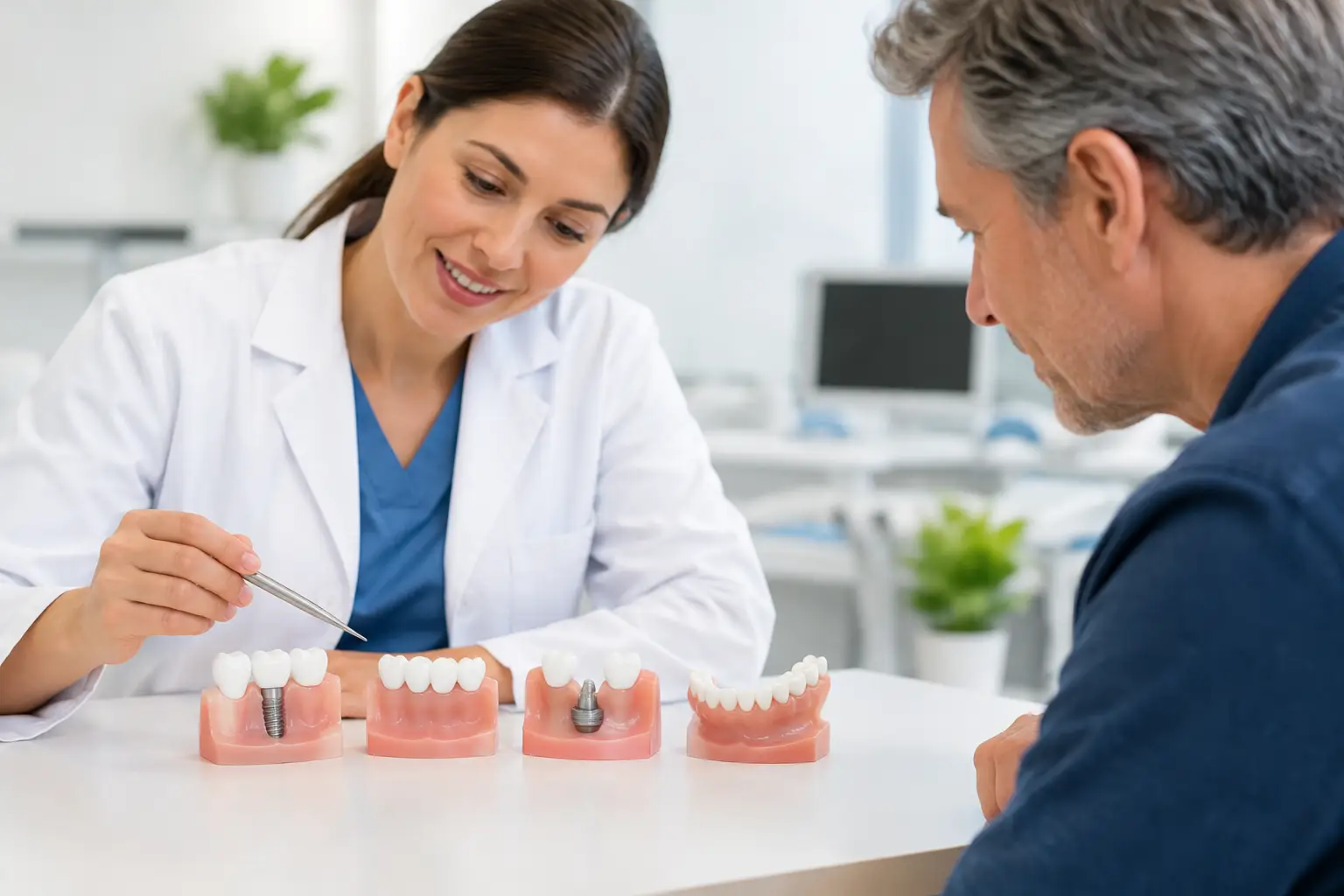
At Russell Avenue Dental & Implant Centre, treatment planning is consultation-led. You should have the opportunity to discuss what concerns you most, whether that is sensitivity, chipping, a tired-looking smile or difficulty eating comfortably. Your dentist can then explain the realistic options, including the likely maintenance each one may require.
It is worth asking about longevity as well as appearance. Composite bonding, veneers, crowns and implants can all be durable treatments when properly planned and cared for, but no restoration is indestructible. Night guards, routine examinations, good home cleaning and avoiding habits such as biting pens or opening packaging with your teeth all make a difference.
Looking after restored teeth
Restored teeth need the same daily care as natural teeth: brushing twice daily with fluoride toothpaste, cleaning between the teeth and attending regular dental examinations and hygiene appointments. If erosion is a concern, your dentist may advise waiting around an hour after acidic food or drink before brushing, giving softened enamel time to recover.
A restoration should make your teeth easier to use and your smile easier to enjoy, not leave you worrying about every meal or photograph. If you have noticed shortening, chipping, sensitivity or changes to your bite, a personalised assessment can show what is happening and whether early treatment could protect your teeth for the years ahead.