
A missing tooth can change more than the appearance of your smile. You may notice food catching in the space, altered speech, difficulty biting comfortably or a reluctance to smile in photographs and meetings. This guide to temporary tooth replacement explains the options that may help while your mouth heals or you decide on a longer-term treatment.
Temporary replacement is not one-size-fits-all. The right choice depends on where the tooth is missing, the condition of nearby teeth and gums, whether extraction has already taken place, and your plans for permanent treatment. A careful dental examination is the best starting point, particularly if you are considering a dental implant.
When is a temporary tooth replacement needed?
A temporary tooth is commonly used after an extraction, while an implant site heals, during the making of a bridge or crown, or following unexpected damage to a tooth. For a front tooth, the priority is often appearance and confidence. For a back tooth, the focus may be maintaining comfortable chewing and preventing teeth from drifting into the gap.
In some cases, a temporary restoration is needed for only a few weeks. In others, it may be worn for several months while bone and gum tissues settle before implant treatment. The timing should be planned around your individual healing, rather than rushed simply to reach the next stage.
Guide to temporary tooth replacement options
There are several clinically appropriate ways to replace a tooth temporarily. Each has benefits and limitations, so the best solution is the one that protects your oral health while fitting your lifestyle and treatment plan.
A removable temporary denture
A small removable denture can replace one or more missing teeth. Often called a partial denture or, for a single front tooth, a flipper, it is made to sit against the gums and is usually removed for cleaning and overnight.
This can be a practical option after an extraction because it restores the visible space quickly and does not require extensive work on adjacent teeth. It can also be adjusted as the gums change shape during healing. However, it may feel unfamiliar at first, can move slightly when eating or speaking, and requires a little care when handling it.
A temporary denture is often suitable when a patient needs an aesthetic solution while waiting for implant treatment. It is not intended to provide the same stability or bite force as an implant-supported tooth.
A clear removable retainer with a replacement tooth
For some patients, a clear retainer-style appliance with a tooth built into it can be an unobtrusive temporary option. It fits closely over the existing teeth, helping it remain discreet, particularly when replacing a tooth near the front of the mouth.
This approach can be useful where appearance is the primary concern and where the surrounding teeth provide good support. It must be removed for cleaning and is not designed for chewing hard foods. It can also be less suitable where there are significant bite forces or several missing teeth.
A temporary bridge
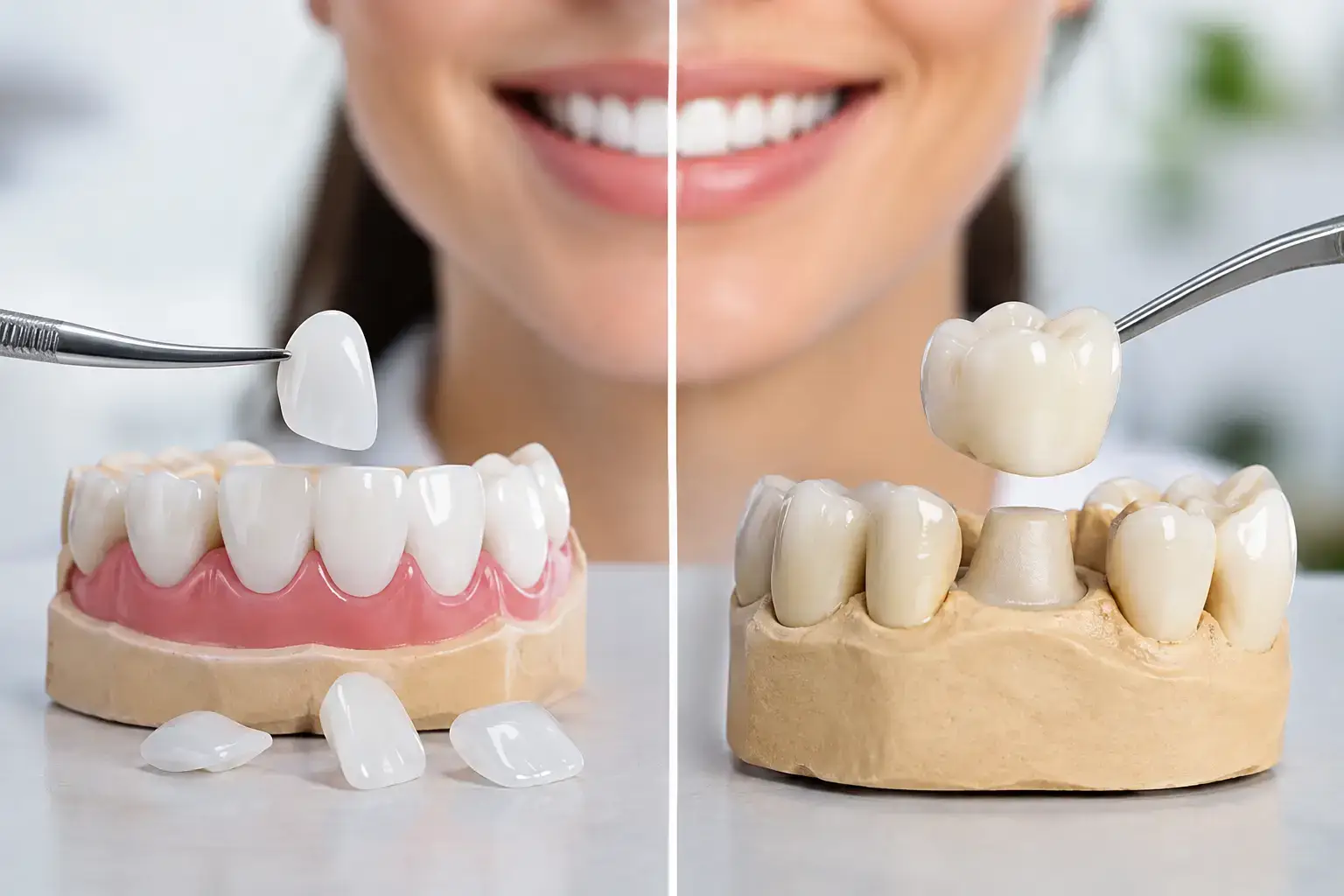
A temporary bridge may be used to fill a gap by attaching a replacement tooth to one or both neighbouring teeth. Depending on the situation, this may be a provisional version of a conventional bridge or a minimally prepared resin-bonded design.
A bridge has the advantage of being fixed in place, meaning there is no appliance to remove each night. It can look natural and feel reassuring in a visible area of the smile. The trade-off is that a bridge is not appropriate for every gap, and some designs involve preparation of neighbouring teeth. If an implant is planned, the dentist will consider whether a temporary bridge could affect the gums, bite or access to the future implant site.
A temporary crown or tooth-coloured restoration
If the tooth has not been removed but is badly broken, worn or being prepared for a crown, a temporary crown may protect it until the final restoration is ready. It helps maintain the space, supports a natural-looking smile and reduces sensitivity.
Temporary crowns are made for short-term use. Avoid sticky foods, such as toffee or chewing gum, which can pull them loose. If one comes off, keep it safe and contact the practice for advice rather than attempting to use household glue.
What a temporary tooth can and cannot do
A well-made temporary replacement can make daily life more comfortable. It can restore the appearance of a gap, support speech and help you feel less self-conscious while a permanent plan is being arranged.
It cannot replicate every benefit of a natural tooth root or a completed dental implant. A removable temporary tooth will not prevent bone loss in the jaw in the way an implant can. It may also have limitations when biting into firm foods, and it needs regular cleaning to avoid irritation of the gums.
That does not make temporary treatment a poor choice. It simply means it should be viewed as one stage of a considered plan. For many people, having a suitable temporary tooth makes the wait for a high-quality permanent restoration far more manageable.
Looking after a temporary replacement
Good care protects both the temporary restoration and the teeth and gums around it. Continue brushing twice daily with a fluoride toothpaste, taking extra care around any edges where plaque can collect. Clean between your natural teeth as advised by your dental professional.
Remove a removable denture or retainer for cleaning with the recommended products and store it safely when not in use. Avoid very hot water, which may distort the material. With a fixed temporary bridge or crown, clean gently around it and avoid biting directly into hard foods such as crusty bread, nuts or ice.
It is sensible to keep chewing on the opposite side where possible, especially in the first few days. If your temporary tooth becomes loose, cracks, rubs your gums or affects your bite, arrange an appointment. Small adjustments can often make a significant difference to comfort.
When to seek prompt dental advice
Some discomfort after an extraction or the fitting of a temporary restoration can be expected, but worsening pain should not be ignored. Contact a dentist promptly if you have increasing swelling, persistent bleeding, a bad taste or discharge, fever, difficulty swallowing, or a temporary appliance that is causing sores.
A lost temporary tooth may not always be an emergency, but it should still be assessed soon. Leaving a gap unmanaged can affect confidence and may allow neighbouring teeth to shift over time. If the missing tooth is at the front, do not be tempted by online repair kits or adhesive products not intended for use in the mouth. These can damage gums, complicate professional treatment and create avoidable risks.
Planning for a permanent solution
Temporary replacement gives you breathing space to make a well-informed decision. Your dentist may discuss a dental implant, bridge or removable denture as a longer-term option, considering the health of your gums, jawbone, bite and neighbouring teeth alongside your aesthetic goals.
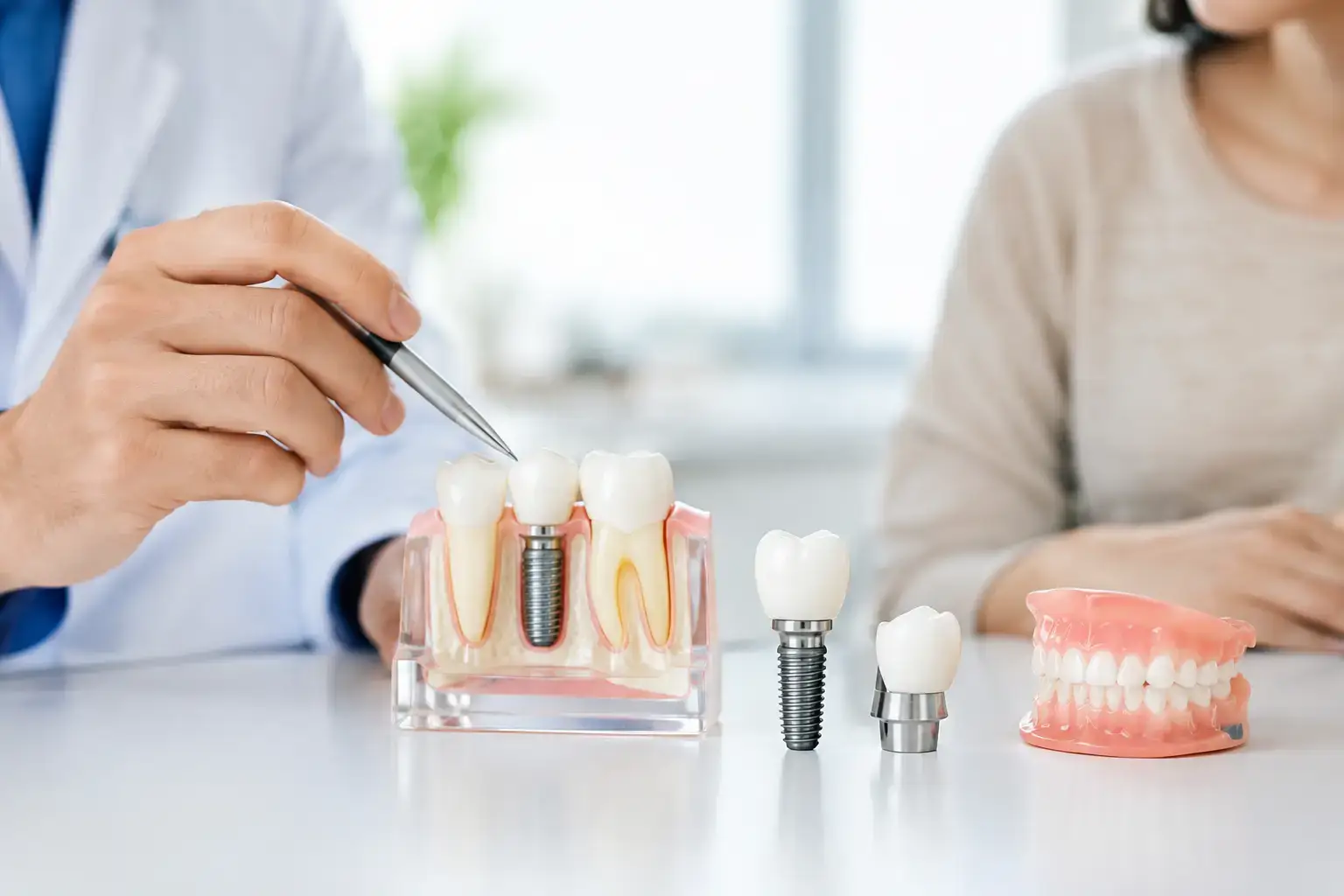
Dental implants are often chosen because they replace the tooth root as well as the visible tooth, creating a secure and natural-looking result without relying on adjacent teeth for support. They are not always placed immediately after extraction, however. Some sites need time to heal, and this is where temporary replacement can play a valuable role.
At Russell Avenue Dental & Implant Centre in St Albans, treatment planning begins with a detailed consultation so that the temporary stage supports, rather than compromises, the final result. The aim is not simply to fill a space for now, but to help you move forward with a smile that feels comfortable, looks natural and suits the way you live.