A missing tooth can affect much more than the appearance of your smile. It may change the way you bite, make eating less comfortable or leave you conscious when speaking and smiling. When comparing single implants versus bridges, the right answer is rarely about choosing the treatment that sounds most advanced. It is about selecting an option that suits your mouth, your priorities and the condition of the teeth around the gap.
For many patients in St Albans, both treatments can provide an attractive, fixed replacement tooth. The key difference lies in how they are supported. A bridge is attached to neighbouring teeth, while an implant is placed within the jawbone to support a replacement crown independently. Understanding that distinction makes the decision far clearer.
Single implants versus bridges: the essential difference
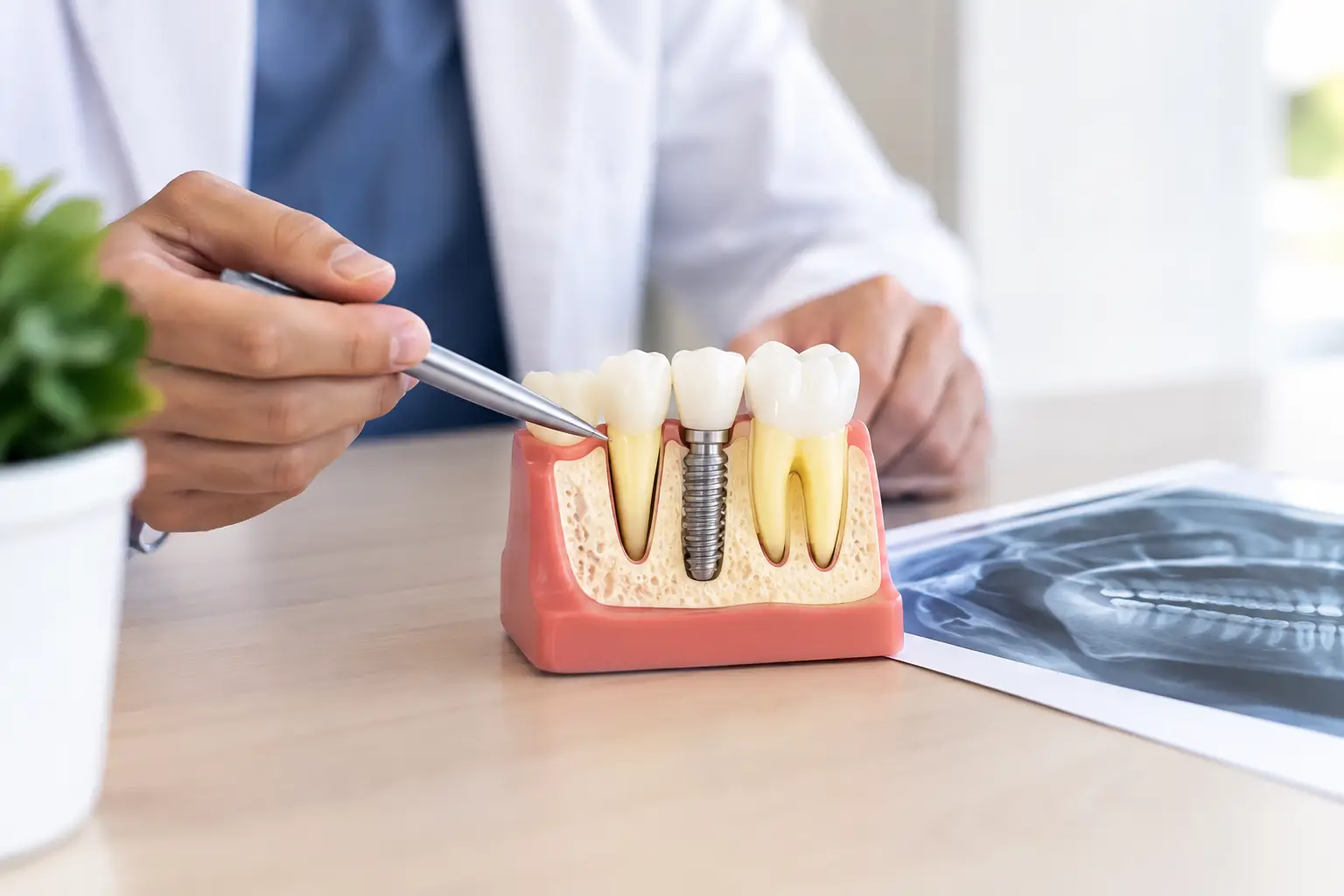
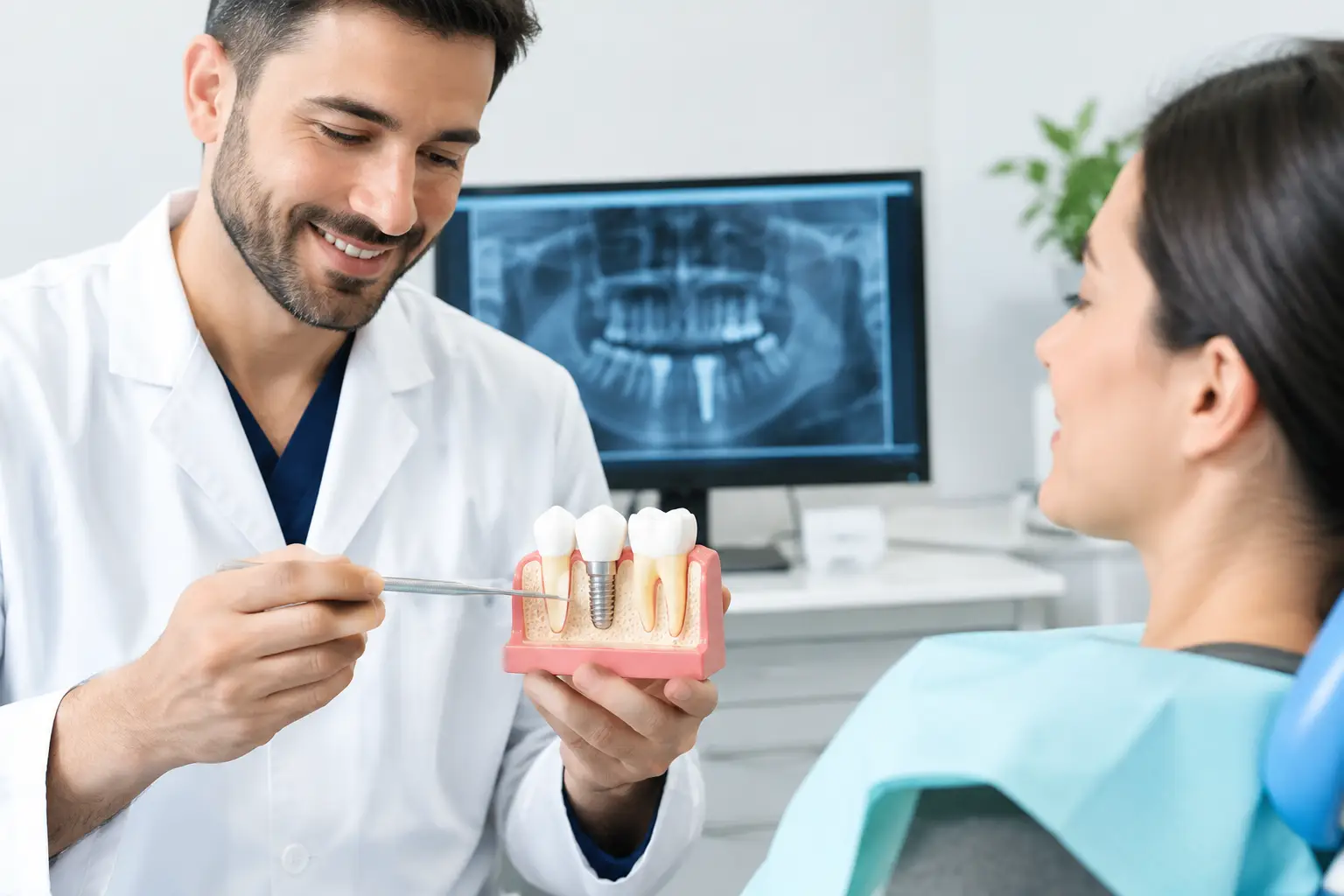
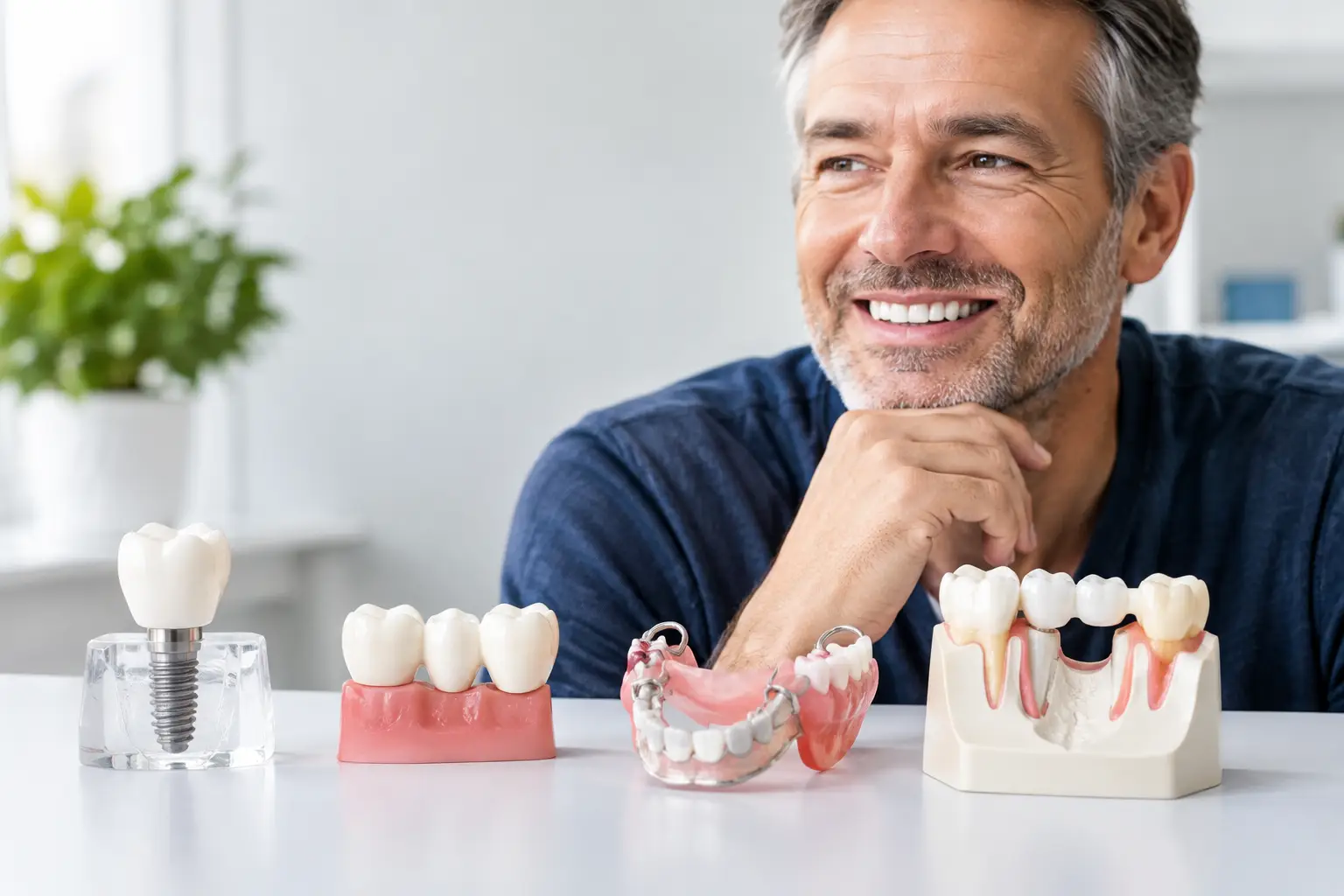
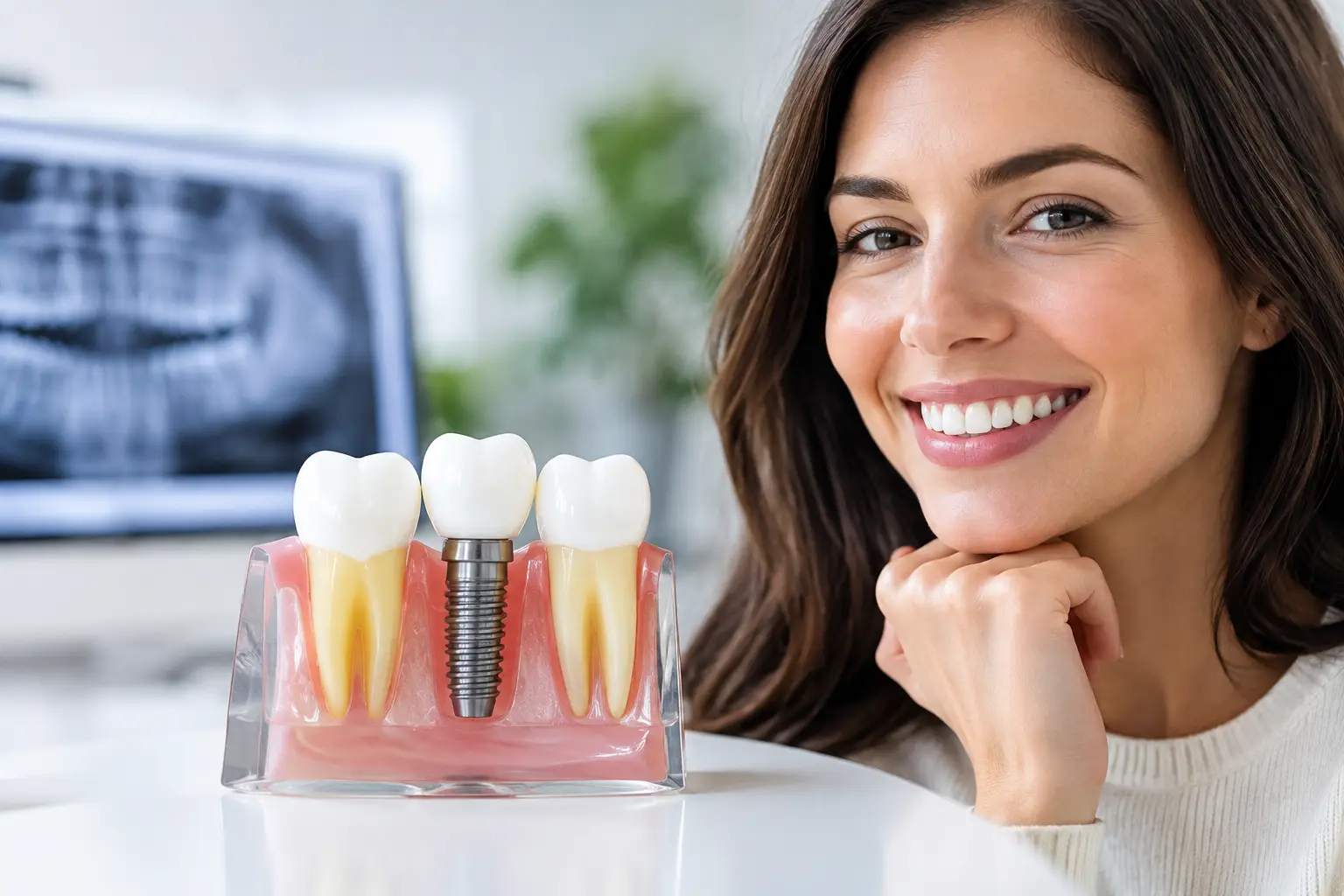
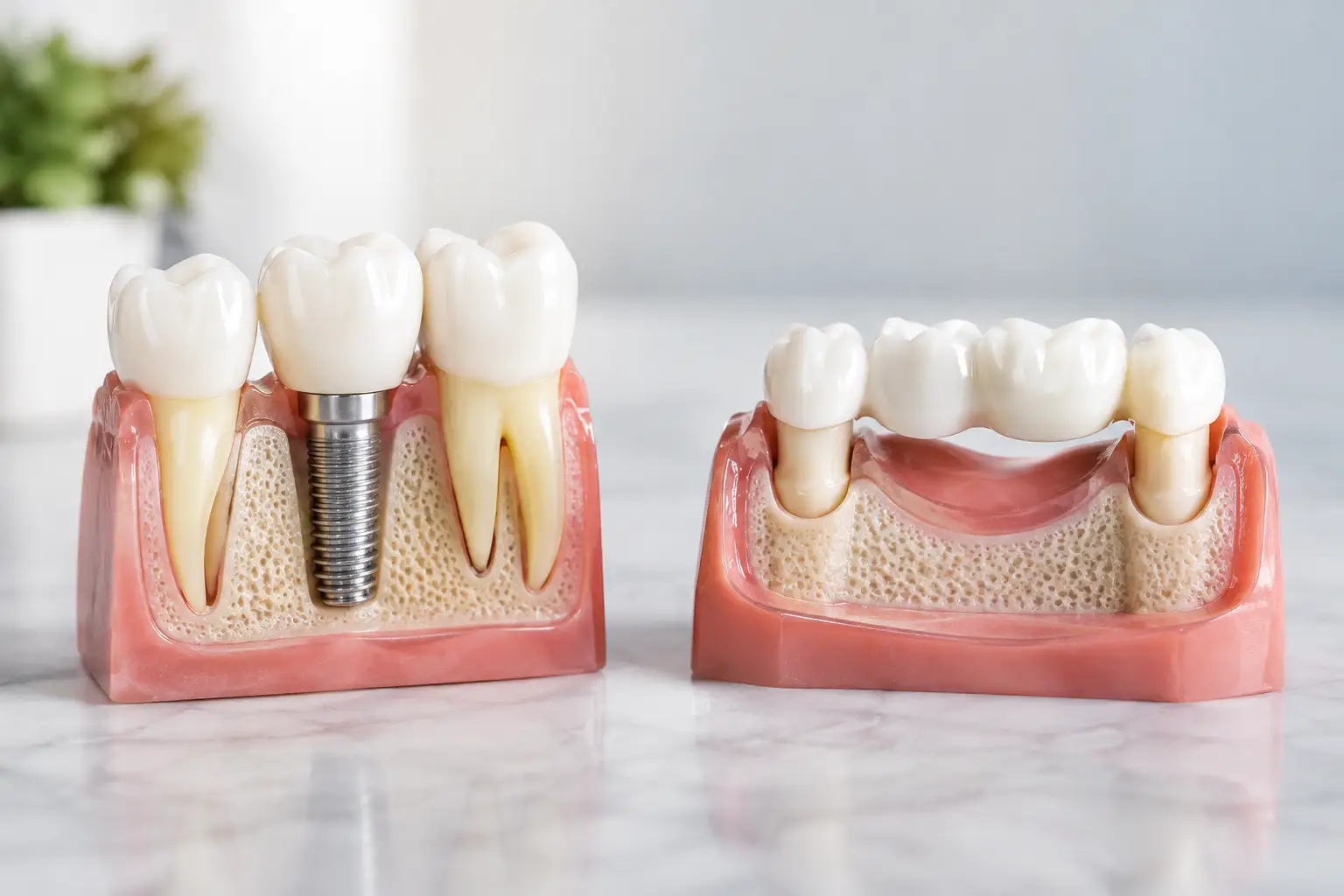
A single dental implant replaces the root of a missing tooth with a small titanium post placed in the jawbone. Once it has integrated with the bone, it supports a custom-made crown. The visible result is designed to sit naturally alongside your existing teeth, restoring the gap without relying on the teeth next to it.
A conventional dental bridge replaces a missing tooth by joining a false tooth, known as a pontic, to crowns fitted over the teeth on either side of the space. To make room for those crowns, the supporting teeth are usually shaped. The bridge is then fixed in place as one unit.
Both can restore day-to-day function and improve the appearance of a gap. However, their effect on neighbouring teeth, treatment timescales and future maintenance is different.
Why an implant may be the preferred option
The most significant advantage of a single implant is that it can replace one tooth without preparing healthy teeth either side. If the adjacent teeth are sound and free from large fillings or crowns, preserving their natural structure is often a compelling reason to consider implant treatment.
An implant also transmits chewing forces into the jawbone in a way that is closer to a natural tooth root. After a tooth is lost, the bone in that area can gradually reduce in volume because it is no longer being stimulated. While an implant cannot guarantee that no bone changes will occur, it can help maintain bone in the area better than a bridge that sits above the gum.
From an aesthetic perspective, an implant crown is individually designed to complement the shape, shade and proportions of the surrounding teeth. This is particularly valuable for a tooth near the front of the smile, where the gumline and fine details of the restoration are highly visible.
Patients also often appreciate that an implant crown can be cleaned much like a natural tooth. Care still requires attention around the gumline, and interdental brushes may be recommended, but there is no connected unit beneath which to clean as there is with a bridge.
The commitments involved with implant treatment
Implant treatment is a surgical procedure and requires careful planning. Your dentist will assess gum health, available bone, bite forces and your general medical history before recommending it. Some patients need additional treatment, such as bone grafting, before an implant can be placed safely and predictably.
The process can take several months from initial assessment to final crown, particularly where healing time or grafting is needed. There are sometimes options for temporary teeth during this period, but this will depend on the position of the missing tooth and the treatment plan.
Good oral hygiene and regular professional care are essential. Implants cannot decay, but the gums and bone around them can become inflamed if plaque is allowed to accumulate. Smoking, untreated gum disease and heavy biting forces can all affect long-term outcomes.
When a bridge can make excellent sense
A bridge should not be seen as a lesser replacement simply because it does not involve an implant. In the right circumstances, it can be a sensible, effective and attractive solution.
For example, a bridge may be particularly appropriate if the teeth next to the gap already have large fillings, are heavily worn or require crowns for their own protection. In this situation, preparing those teeth for a bridge may form part of a wider restorative plan rather than involve removing healthy tooth tissue unnecessarily.
A bridge can usually be completed more quickly than an implant because there is no surgical placement and healing phase. This can matter if you would prefer a fixed replacement within a shorter timeframe, or if an implant is not clinically suitable due to bone availability, health considerations or personal preference.
Modern bridges can look very natural, especially when colour, shape and translucency are carefully matched. They can restore the visible gap and provide reliable chewing function, provided the supporting teeth and gums are healthy.
Bridge care and long-term considerations
Cleaning a bridge takes a little more technique than cleaning a single implant crown. Food debris and plaque can collect beneath the false tooth, so specialised floss threaders or interdental brushes are often needed. Your dental team can show you how to keep the area clean without making your routine difficult.
The supporting teeth carry the forces placed on the bridge. This is not necessarily a problem, but it means their condition is central to the treatment’s success. If decay develops at the edge of a crown or a supporting tooth later needs treatment, the whole bridge may need to be assessed or replaced.
A bridge may also be a more cost-effective route at the outset than implant treatment. The longer-term value, however, depends on the condition of the neighbouring teeth, how well the restoration is maintained and whether other dental work is likely to be needed over time.
How to decide between a single implant and a bridge
The best choice starts with a detailed examination rather than a preference based on cost or speed alone. A dentist will look at the location of the missing tooth, the health of adjacent teeth, your gum condition, the amount of available bone and how your teeth meet when you bite.
If the teeth beside the space are healthy, a single implant is often worth serious consideration because it replaces the missing tooth independently. If those teeth are already compromised and would benefit from crowns, a bridge may be the more practical option.
The location of the gap also matters. A missing front tooth can place greater emphasis on aesthetic planning, including the gumline and the way the replacement tooth reflects light. A missing back tooth may be less visible, but restoring it can be important for comfortable chewing and for helping to prevent nearby teeth from drifting into the space.
Your timescale is another genuine factor. An implant usually asks more of you at the beginning: appointments, healing and diligent aftercare. A bridge may offer a shorter route to a fixed tooth. Neither consideration should be dismissed. A treatment plan should work with your health needs and daily life, not against them.
Appearance, confidence and realistic expectations
Whether you choose an implant or a bridge, the aim is not simply to fill a space. A well-planned restoration should help you speak, eat and smile with greater confidence while fitting naturally with your existing teeth.
No restoration is entirely maintenance-free or permanent without review. Crowns and bridges can need renewal over time, and implants need ongoing monitoring of the surrounding gum and bone. Regular examinations allow small changes to be identified early, before they become more complex concerns.
At Russell Avenue Dental & Implant Centre, a consultation-led assessment provides the opportunity to discuss these details properly. This includes the clinical suitability of each option, the likely stages of treatment and the result you can reasonably expect for your smile.
A missing tooth does not need to dictate how you eat or how freely you smile. The most reassuring next step is to have the gap assessed while the surrounding teeth and gums can still be considered as part of a thoughtful, long-term plan.