A dental implant is designed to feel secure, look natural and support everyday life – from enjoying a meal to smiling without thinking about a gap. When an implant does not settle or later becomes loose, it can be worrying. Understanding what causes dental implant failure can make the process feel far more manageable and help you protect the investment you have made in your smile.
Implant failure is not a single problem with a single cause. It can happen early, while the implant is healing in the jawbone, or years after treatment. The good news is that careful planning, skilled placement, effective home care and regular professional reviews can greatly reduce the risk.
What is dental implant failure?
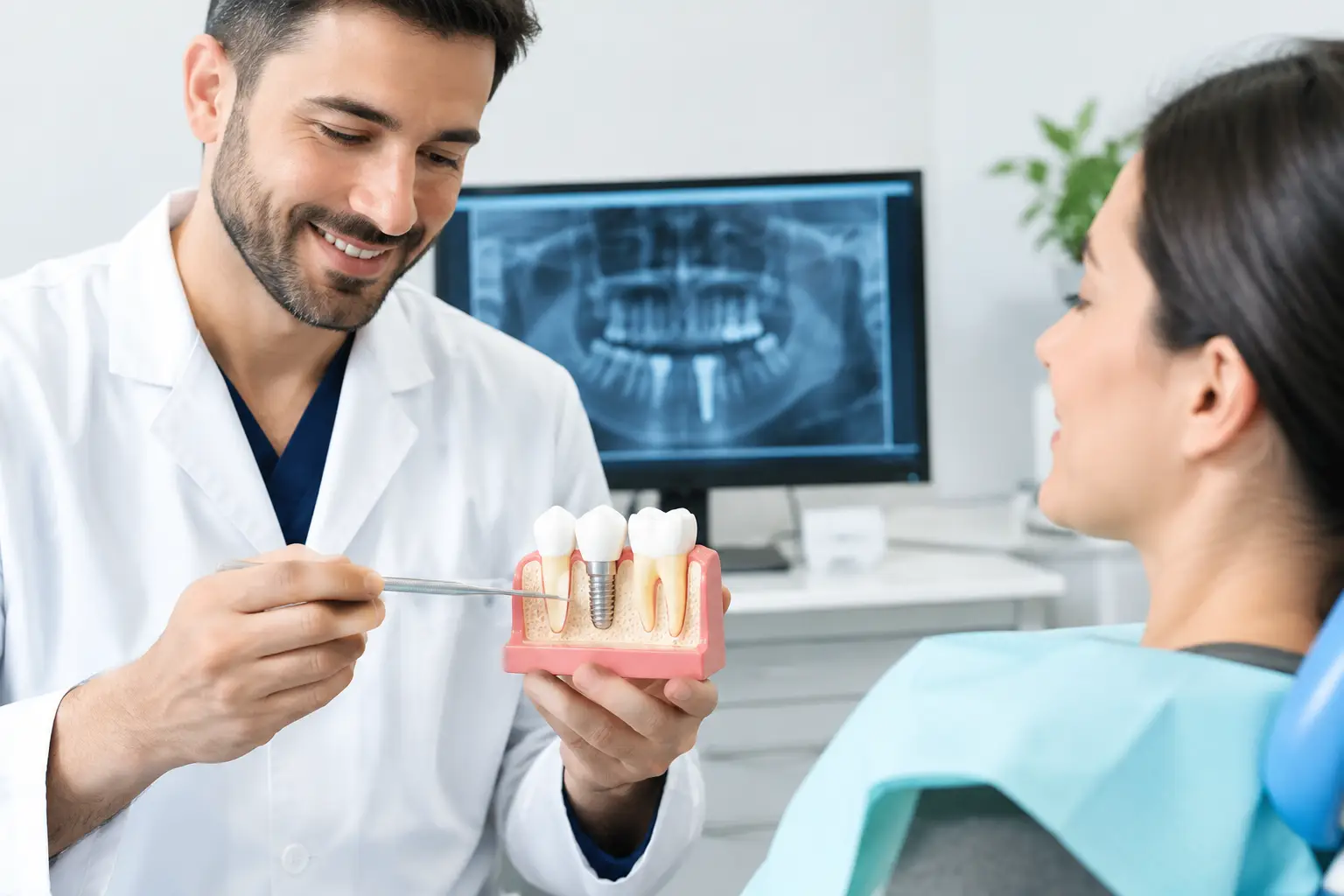
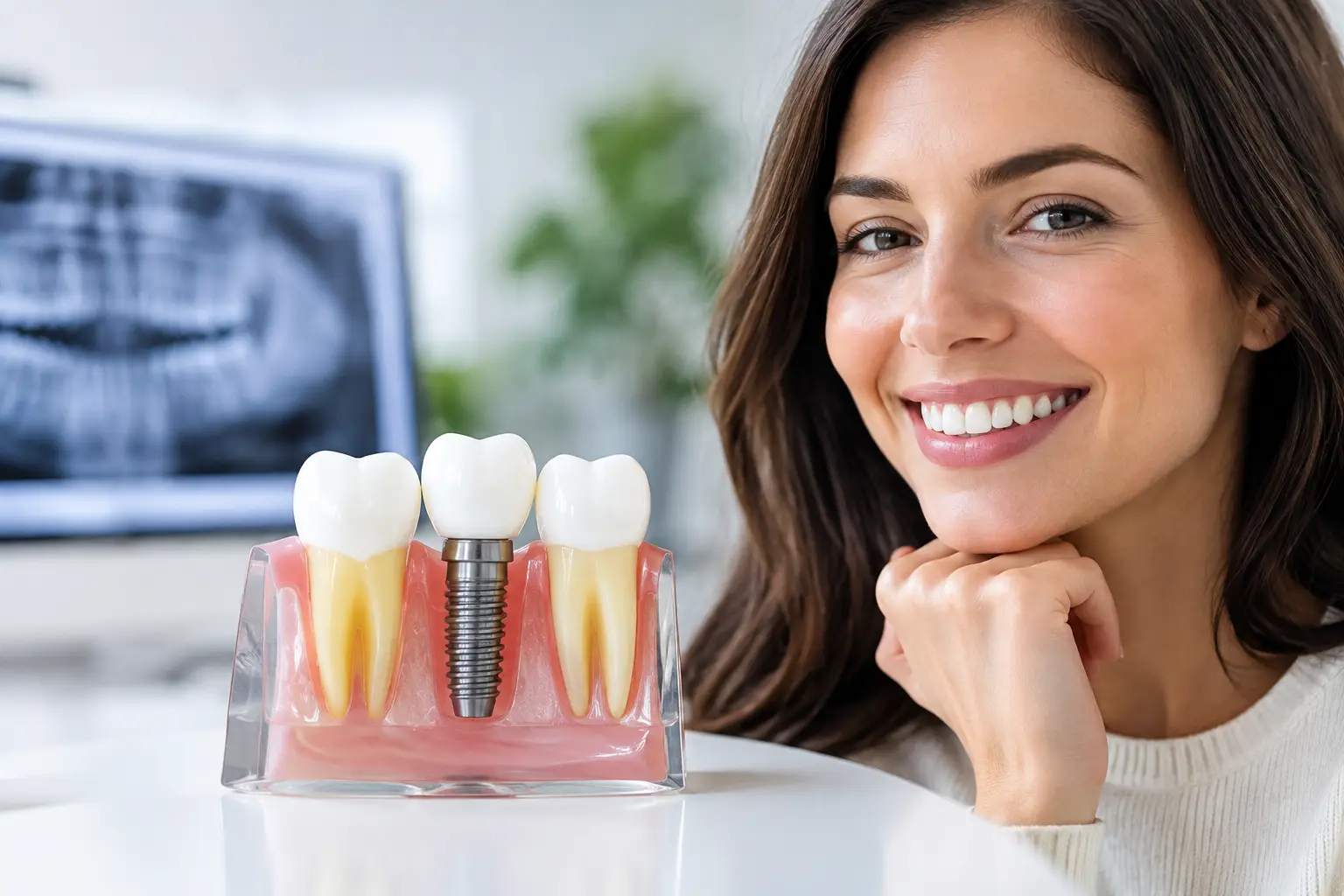
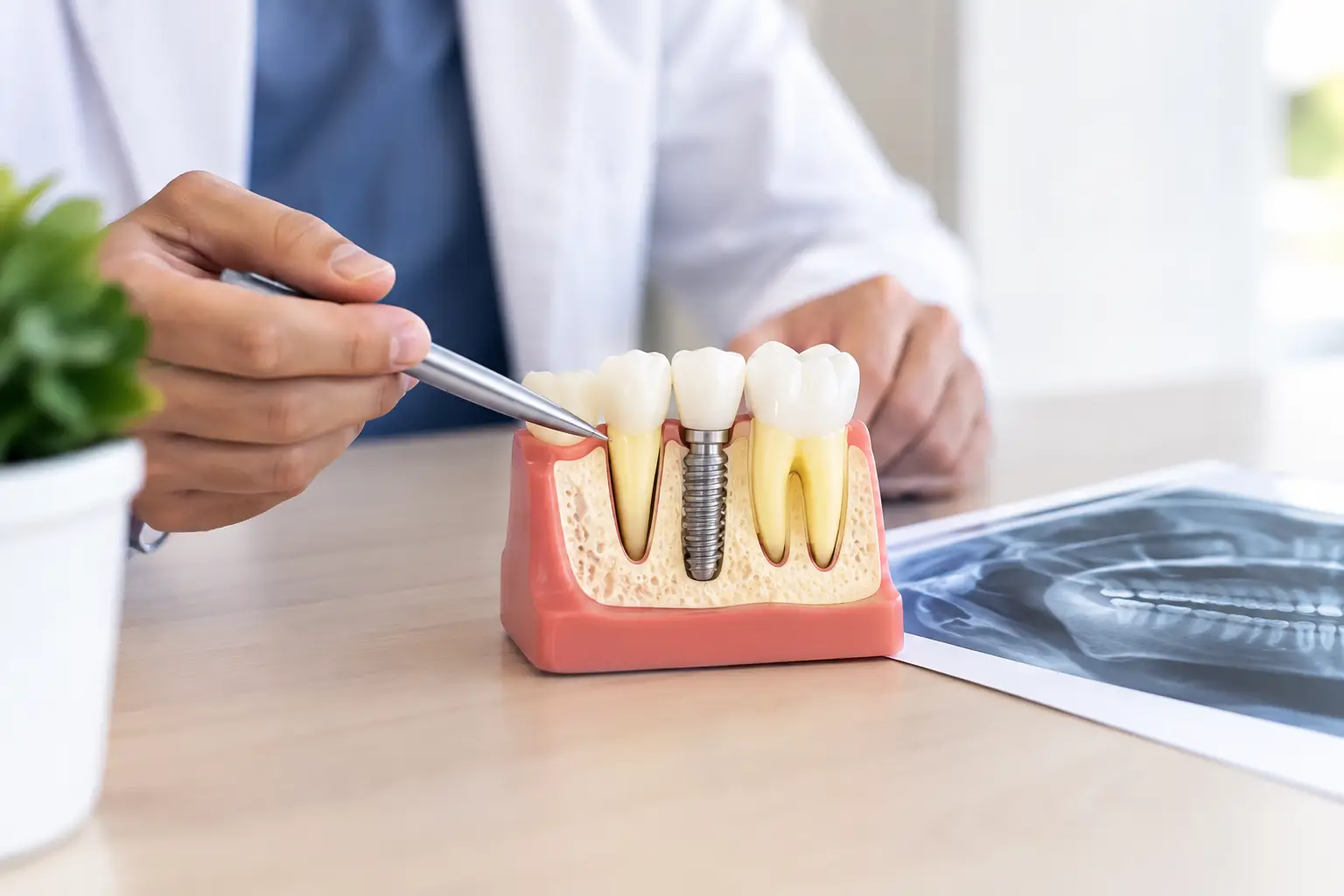
A dental implant is a small titanium post placed into the jawbone to replace a missing tooth root. Over the following months, the bone is expected to grow closely around the implant in a process called osseointegration. Once stable, it can support a crown, bridge or denture.
Early implant failure occurs when this bond with the bone does not develop as expected. Late failure occurs after an implant has been in use for some time, usually because the tissues around it have become unhealthy or because of excessive forces on the restoration.
Failure does not always mean the whole treatment has been unsuccessful. In some cases, an implant can be removed, the area allowed to heal or rebuilt with bone grafting, and a new implant placed later. The right approach depends on the reason for the problem and the condition of the surrounding bone and gums.
What causes dental implant failure in the early stages?
Insufficient bone support
An implant needs enough healthy bone in the right position to achieve stability. After a tooth has been missing for some time, the jawbone may naturally shrink. Gum disease, infection, trauma and previous extractions can also affect the available bone.
This does not automatically rule out implant treatment. Bone grafting, sinus lift procedures and a carefully planned implant position can often create a suitable foundation. However, placing an implant where bone support is inadequate raises the likelihood that it will not integrate securely.
Infection during healing
Bacteria around the surgical site can interfere with healing. This may arise from existing gum disease, an infection associated with a failing tooth, or difficulty keeping the area clean after surgery. Occasionally, infection can develop despite appropriate care, but identifying and treating any active dental disease before implant placement is an essential part of planning.
Following post-operative instructions matters too. Patients should clean as advised, attend review appointments and contact the practice promptly if swelling, pain or discharge worsens rather than improves.
Smoking and nicotine use
Smoking is one of the clearest risk factors for impaired implant healing. Nicotine reduces blood flow, while smoking affects the body’s ability to repair tissues and fight infection. Vaping and other nicotine products may also affect healing, even though the exact risks can differ between products.
This does not mean every smoker will experience implant failure, but the risks are higher. Reducing or stopping nicotine use before treatment and throughout healing gives an implant the best possible environment to settle.
Medical factors that affect healing
Certain health conditions and medicines can influence bone healing, infection risk or the immune response. Poorly controlled diabetes is a common example. Conditions that affect immunity, treatment involving radiotherapy to the jaw area, and some medications used for bone disease may also require particular consideration.
A thorough medical history is not simply a formality. It allows the dentist to plan safely, communicate with other healthcare professionals where appropriate, and decide whether treatment should be adapted or delayed.
Causes of dental implant failure after restoration
Peri-implant disease
The most common long-term concern is disease around an implant. Peri-implant mucositis affects the gum tissue and may cause redness, swelling or bleeding when brushing. At this stage, it can often be managed successfully with professional care and improved cleaning.
If inflammation progresses to peri-implantitis, bone around the implant can begin to recede. This may lead to deeper pockets, bleeding, discomfort, a bad taste or, in more advanced cases, movement of the implant or restoration. Peri-implantitis requires timely professional treatment because bone loss around an implant cannot be reversed by brushing alone.
A history of gum disease increases the risk, particularly where it has not been stabilised before implant treatment. Regular hygiene appointments and long-term monitoring are therefore central to protecting implant health.
Excessive biting forces
Implants do not have the same shock-absorbing ligament as natural teeth. They are very strong, but repeated heavy forces can still place stress on the implant, its crown, connecting components and the bone around it.
Teeth grinding or clenching, known as bruxism, is a common cause of excessive loading. A bite that is not evenly balanced, a damaged crown or multiple missing teeth can also contribute. For patients who grind their teeth, a custom night guard may be recommended to protect both the implant restoration and the remaining natural teeth.
Poorly fitting or difficult-to-clean restorations
The crown or bridge attached to an implant should be shaped to support a healthy bite and allow access for brushing and interdental cleaning. If it traps plaque or cannot be cleaned effectively, gum inflammation becomes more likely.
This is why implant dentistry involves more than placing the implant itself. The design of the final restoration, the way the teeth meet, and clear guidance on daily cleaning all have a meaningful effect on long-term outcomes.
Missed maintenance appointments
Implants do not decay, but the gums and bone around them still need care. Plaque can accumulate around an implant just as it can around natural teeth, and early inflammation is not always painful. Missing routine examinations and hygiene visits can allow a small issue to become more difficult to treat.
At maintenance appointments, the clinical team can check the gum tissues, bite, crown and implant stability. X-rays may be used periodically to assess bone levels. These checks are designed to identify changes early, when treatment is usually simpler.
Signs an implant needs to be checked
A fully integrated implant should feel stable and comfortable. Contact your dentist if you notice persistent bleeding when cleaning, swelling, tenderness, pus, a bad taste, gum recession, a change in the way your teeth bite or a loose crown.
A loose crown does not necessarily mean the implant itself has failed. Sometimes the screw connecting the crown to the implant has loosened, or the crown has fractured. Both should still be assessed promptly, as continued use may damage the restoration or underlying components.
Pain can also have several causes. It may be related to the implant, neighbouring teeth, the bite or the surrounding gums. An examination is the only reliable way to establish what is happening.
How to reduce the risk of implant failure
The best prevention begins before treatment starts. A detailed consultation should consider your gum health, bone volume, bite, medical history, smoking status and expectations for the appearance and function of the final tooth. Where preparatory treatment is needed, addressing it first may make the result more predictable.
After placement, give healing the time it needs. Follow the personalised aftercare advice, maintain meticulous but gentle cleaning and avoid smoking or nicotine where possible. Once the final crown or bridge is fitted, brush twice daily and clean around the implant with the aids recommended for you, which may include interdental brushes, floss designed for bridges or a water flosser.
There is no single cleaning routine that suits every implant restoration. The position of the implant, the shape of the crown and the health of your gums all matter. A hygienist or dentist can demonstrate an approach that is practical enough to maintain every day.
A problem is not a reason to lose confidence
Dental implants have a strong long-term track record, but they are not maintenance-free. Knowing what causes dental implant failure helps patients recognise that many risks can be identified, reduced or treated early.
If you have concerns about an existing implant, or are considering treatment for a missing tooth, a consultation at Russell Avenue Dental & Implant Centre can provide a clear assessment and a personalised plan based on your oral health, goals and long-term care needs.